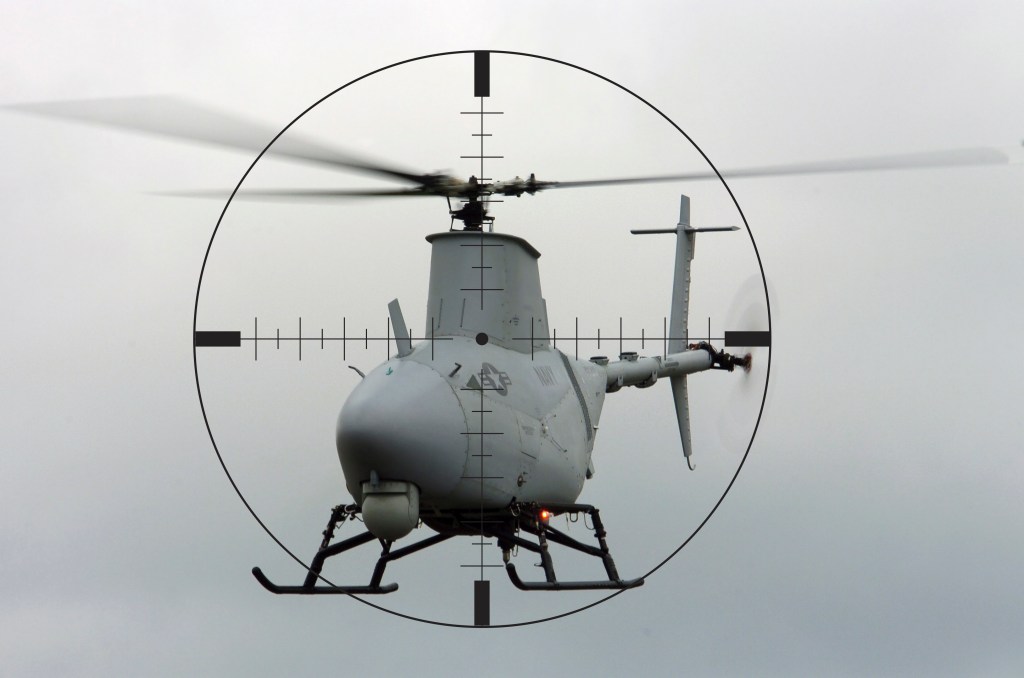
The global anti-drone market will reach $1.2 billion by 2025, according to a forecast by market research firm Transparency Market Research. From $215 million in 2016, the market will soar at a 19.9-percent compound annual growth rate between 2017 and 2025.
“The commercialization of technologies for the development of anti-drone systems has also been stoking growth of this market,” according to a Transparency Market Research news release. “Local companies are coming up with their own versions of commercial anti-drone technologies, although they are not as lethal as those used by the military sector.”
“However, factors such as strict government regulations for deployment of anti-drone systems and high initial investments for the setup of the anti-drone manufacturing facility are acting as restraints to the growth of this market,” Transparency Market Research said.
Prominent companies in the market include Blighter Surveillance Systems Ltd., Dedrone Detect Inc., DRONESHIELD, Boeing Co., Lockheed Martin Corporation, SAAB A.B., and Theiss UAV Solutions LLC.