-
Five questions for Army’s Robert Collins as he moves to Pentagon acquisitions office
“I’ve been doing this for 30 years,” the general said, “and any time the coach puts you back in for a couple more plays on the playing field, I’ll tell you, that gives you a lot of energy.”
-

US Army reaches for the sky to solve communication needs
Look, up in the sky! It’s a bird. It’s a plane. It’s aerial tier networking.
-

Prolonged war may make Russia more cyber aggressive, US official says
“We have to keep our shields up,” said Neal Higgins, the deputy national cyber director for national cybersecurity. “We can’t let our guard down.”
-
Senators seek boosts for JADC2, cyber mission, hypersonics in defense bill
The Senate Armed Services Committee on June 16 published its summary of the annual defense bill, tackling everything from future network development to supply chain challenges, electronic warfare integration to hypersonic weapons development.
-

How war in Ukraine is informing future US Air Force networks
“If I were to summarize a lesson learned, it would be we can’t have enough coalition connectivity fast enough.”
-

Ukraine to get thousands of secure radios in latest US package
The radios will be sourced using Ukraine Security Assistance Initiative funds and will not be siphoned from existing U.S. stockpiles.
-

Air Force using AI to improve weather models for military planning
“When planning military operations,” the deputy CIO said, “the weather can be a huge determiner of success or failure.”
-

US Army to double cyber corps strength as focus shifts from counterinsurgency
“We’re on a multiyear growth pattern,” said Army Lt. Gen. John Morrison. “But we’re in a pretty good spot right now.”
-

AT&T demonstrates 5G capability for US Navy ‘smart warehouse’
Throughput speeds of 3.9 gigabits per second, with less than 10 milliseconds of latency, were delivered during an April 28 event in California.
-

Pentagon’s Hicks expects real results from artificial intelligence office
“What I will say is that we have to be able to deliver,” said the deputy secretary. “We have to advance, and advance quickly, on the challenge set that the warfighter faces.”
-
Five questions for Army’s Robert Collins as he moves to Pentagon acquisitions office
“I’ve been doing this for 30 years,” the general said, “and any time the coach puts you back in for a couple more plays on the playing field, I’ll tell you, that gives you a lot of energy.”
-
US Army reaches for the sky to solve communication needs
Look, up in the sky! It’s a bird. It’s a plane. It’s aerial tier networking.
-
Prolonged war may make Russia more cyber aggressive, US official says
“We have to keep our shields up,” said Neal Higgins, the deputy national cyber director for national cybersecurity. “We can’t let our guard down.”
-
Senators seek boosts for JADC2, cyber mission, hypersonics in defense bill
The Senate Armed Services Committee on June 16 published its summary of the annual defense bill, tackling everything from future network development to supply chain challenges, electronic warfare integration to hypersonic weapons development.
-
How war in Ukraine is informing future US Air Force networks
“If I were to summarize a lesson learned, it would be we can’t have enough coalition connectivity fast enough.”
-
Ukraine to get thousands of secure radios in latest US package
The radios will be sourced using Ukraine Security Assistance Initiative funds and will not be siphoned from existing U.S. stockpiles.
-
Air Force using AI to improve weather models for military planning
“When planning military operations,” the deputy CIO said, “the weather can be a huge determiner of success or failure.”
-
US Army to double cyber corps strength as focus shifts from counterinsurgency
“We’re on a multiyear growth pattern,” said Army Lt. Gen. John Morrison. “But we’re in a pretty good spot right now.”
-
AT&T demonstrates 5G capability for US Navy ‘smart warehouse’
Throughput speeds of 3.9 gigabits per second, with less than 10 milliseconds of latency, were delivered during an April 28 event in California.
-
Pentagon’s Hicks expects real results from artificial intelligence office
“What I will say is that we have to be able to deliver,” said the deputy secretary. “We have to advance, and advance quickly, on the challenge set that the warfighter faces.”
-
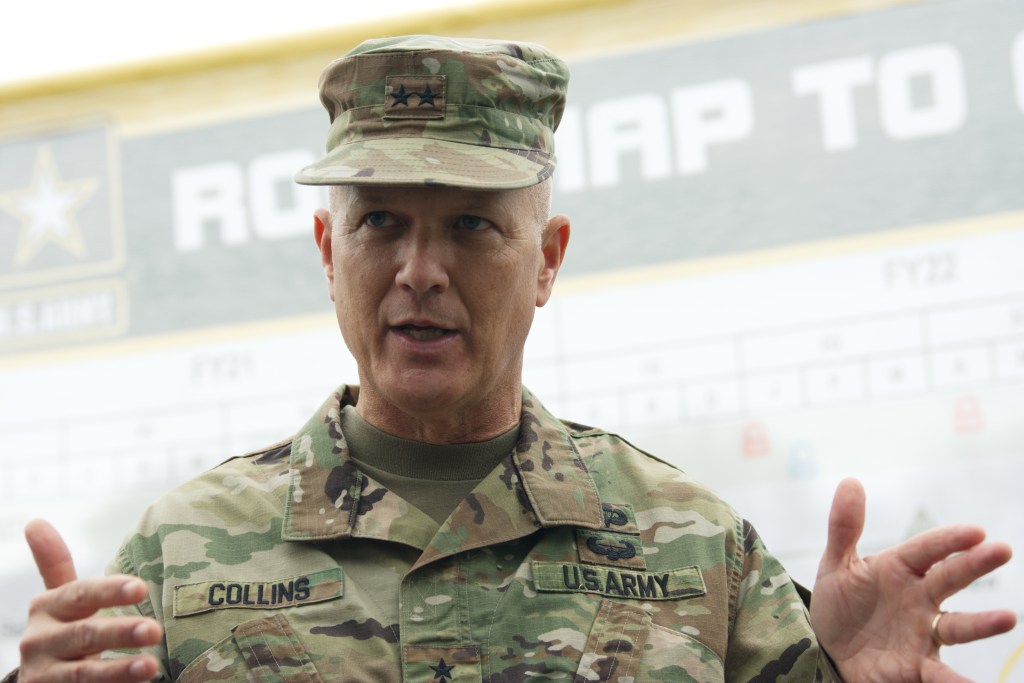
Five questions for Army’s Robert Collins as he moves to Pentagon acquisitions office
“I’ve been doing this for 30 years,” the general said, “and any time the coach puts you back in for a couple more plays on the playing field, I’ll tell you, that gives you a lot of energy.”
-

US Army reaches for the sky to solve communication needs
Look, up in the sky! It’s a bird. It’s a plane. It’s aerial tier networking.
-

Prolonged war may make Russia more cyber aggressive, US official says
“We have to keep our shields up,” said Neal Higgins, the deputy national cyber director for national cybersecurity. “We can’t let our guard down.”
-
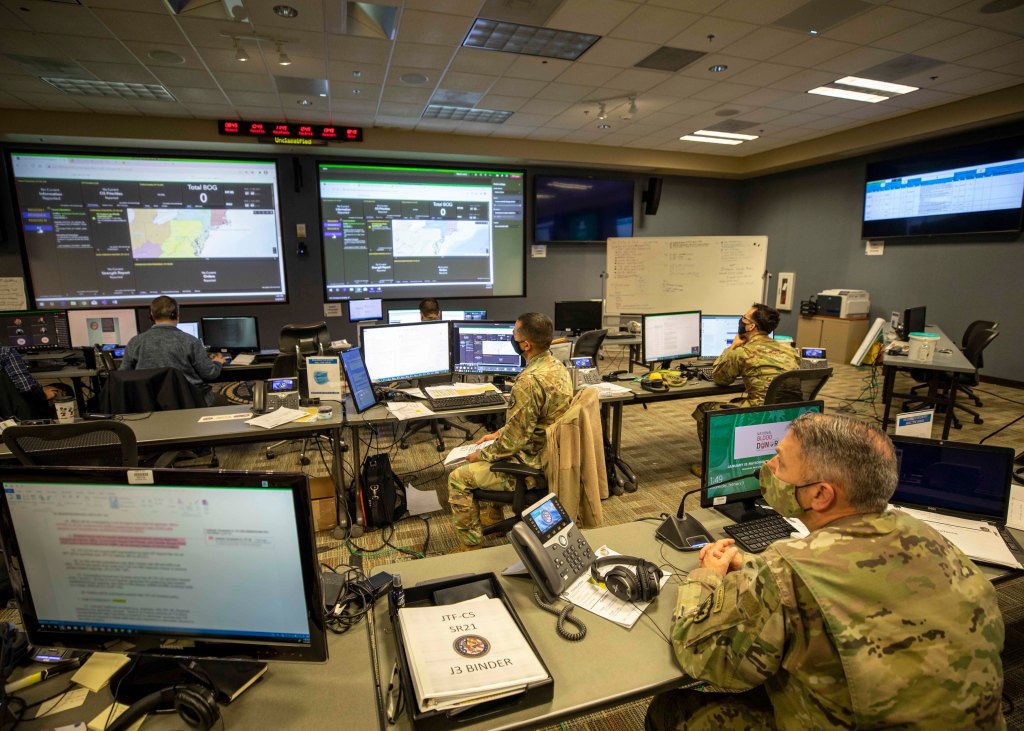
Senators seek boosts for JADC2, cyber mission, hypersonics in defense bill
The Senate Armed Services Committee on June 16 published its summary of the annual defense bill, tackling everything from future network development to supply chain challenges, electronic warfare integration to hypersonic weapons development.
-

How war in Ukraine is informing future US Air Force networks
“If I were to summarize a lesson learned, it would be we can’t have enough coalition connectivity fast enough.”
-

Ukraine to get thousands of secure radios in latest US package
The radios will be sourced using Ukraine Security Assistance Initiative funds and will not be siphoned from existing U.S. stockpiles.
-

Air Force using AI to improve weather models for military planning
“When planning military operations,” the deputy CIO said, “the weather can be a huge determiner of success or failure.”
-
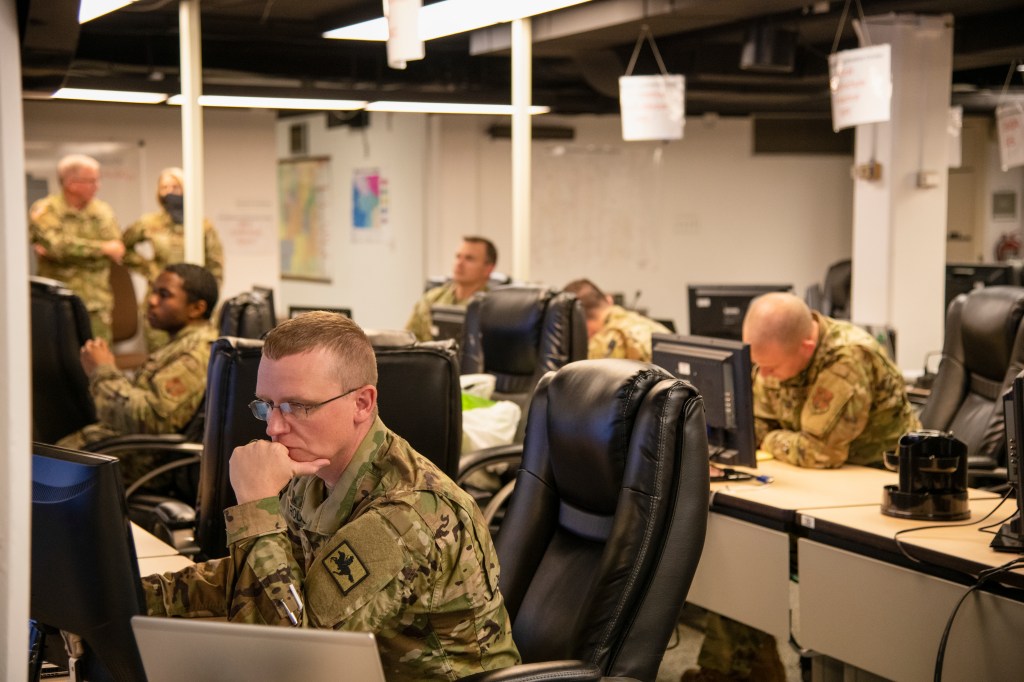
US Army to double cyber corps strength as focus shifts from counterinsurgency
“We’re on a multiyear growth pattern,” said Army Lt. Gen. John Morrison. “But we’re in a pretty good spot right now.”
-

AT&T demonstrates 5G capability for US Navy ‘smart warehouse’
Throughput speeds of 3.9 gigabits per second, with less than 10 milliseconds of latency, were delivered during an April 28 event in California.
-

Pentagon’s Hicks expects real results from artificial intelligence office
“What I will say is that we have to be able to deliver,” said the deputy secretary. “We have to advance, and advance quickly, on the challenge set that the warfighter faces.”