-

Congress freezes $349 million for Army’s next generation goggles
Asked about the cuts March 9, Doug Bush, the assistant secretary of the Army for acquisition, logistics and technology, said: “We’re working through that.”
-
Pentagon’s JADC2 strategy focuses on ‘approach’
The new unclassified summary document comes nearly a year after the Secretary of Defense approved the Joint All-Domain Command and Control strategy.
-
US government clients unaffected by Viasat cyberattack
“The investigation into the recent cyber event on the KA-SAT European network continues in partnership with law enforcement, government partners and Viasat’s third-party cybersecurity firm,” Viasat said in a statement March 11. “We currently believe this was a deliberate, isolated and external cyber event.”
-

Pentagon taps LMI, MORSE for AI data deal
The Data Readiness Artificial Intelligence Development initiative spans “the entire AI data preparation lifecycle, from data ingestion, through labeling, right up to before model training begin,” according to the Joint Artificial Intelligence Center.
-

Congress wants new $200 million program to strengthen AI at combatant commands
“AI is not some future capability,” the deputy defense secretary said. “A large body of modern, mature and tested AI is available now.”
-

Blue, yellow and gray zone: The cyber factor in Ukraine
Russia’s combined air, land and sea assault on Ukraine was preceded by waves of cyberattacks, the sort of gray-zone meddling analysts and defense officials had foreseen. Websites were hamstrung. Malware coursed through computers. Communications were hampered. But the efforts were not crippling.
-

Congress wants to give Air Force an extra $65 million for ABMS
The prospective boost for the Advanced Battle Management System suggests growing support for the effort, which lawmakers and watchdogs have scrutinized.
-

How JADC2 is improving nuclear command and control
The Pentagon’s effort to better connect sensor to shooter and shuttle data is inextricably linked with the high-stakes communication systems of nuclear warfare, and rightly so, the head of U.S. Strategic Command told Congress this week.
-

How to improve the force? Info and tech investments, says HASC chair.
“You can have the biggest force in the world. If it’s not survivable, if it can’t get into the place that it needs to get in to and fight, then it’s really not doing you too much good.”
-

US Navy memo warns of cyber risks amid global tensions
Hackers have exploited mistakes on Navy and private, at-home networks by stealing or guessing passwords and other credentials, furtively installing malware, and posing as service members or veterans to pry information out of people.
-
Congress freezes $349 million for Army’s next generation goggles
Asked about the cuts March 9, Doug Bush, the assistant secretary of the Army for acquisition, logistics and technology, said: “We’re working through that.”
-
Pentagon’s JADC2 strategy focuses on ‘approach’
The new unclassified summary document comes nearly a year after the Secretary of Defense approved the Joint All-Domain Command and Control strategy.
-
US government clients unaffected by Viasat cyberattack
“The investigation into the recent cyber event on the KA-SAT European network continues in partnership with law enforcement, government partners and Viasat’s third-party cybersecurity firm,” Viasat said in a statement March 11. “We currently believe this was a deliberate, isolated and external cyber event.”
-
Pentagon taps LMI, MORSE for AI data deal
The Data Readiness Artificial Intelligence Development initiative spans “the entire AI data preparation lifecycle, from data ingestion, through labeling, right up to before model training begin,” according to the Joint Artificial Intelligence Center.
-
Congress wants new $200 million program to strengthen AI at combatant commands
“AI is not some future capability,” the deputy defense secretary said. “A large body of modern, mature and tested AI is available now.”
-
Blue, yellow and gray zone: The cyber factor in Ukraine
Russia’s combined air, land and sea assault on Ukraine was preceded by waves of cyberattacks, the sort of gray-zone meddling analysts and defense officials had foreseen. Websites were hamstrung. Malware coursed through computers. Communications were hampered. But the efforts were not crippling.
-
Congress wants to give Air Force an extra $65 million for ABMS
The prospective boost for the Advanced Battle Management System suggests growing support for the effort, which lawmakers and watchdogs have scrutinized.
-
How JADC2 is improving nuclear command and control
The Pentagon’s effort to better connect sensor to shooter and shuttle data is inextricably linked with the high-stakes communication systems of nuclear warfare, and rightly so, the head of U.S. Strategic Command told Congress this week.
-
How to improve the force? Info and tech investments, says HASC chair.
“You can have the biggest force in the world. If it’s not survivable, if it can’t get into the place that it needs to get in to and fight, then it’s really not doing you too much good.”
-
US Navy memo warns of cyber risks amid global tensions
Hackers have exploited mistakes on Navy and private, at-home networks by stealing or guessing passwords and other credentials, furtively installing malware, and posing as service members or veterans to pry information out of people.
-
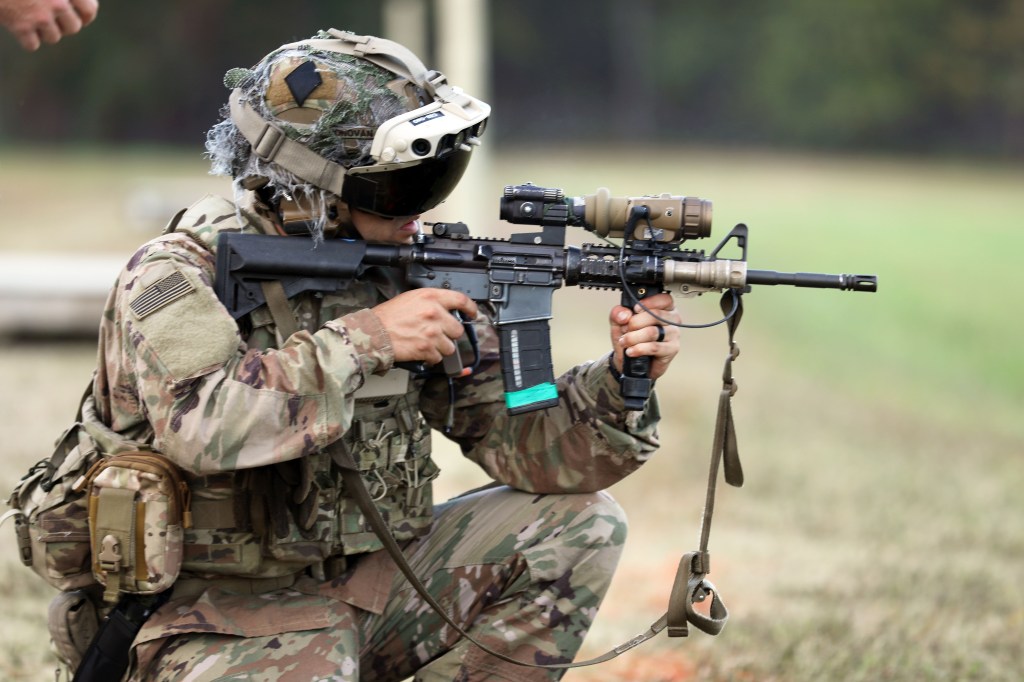
Congress freezes $349 million for Army’s next generation goggles
Asked about the cuts March 9, Doug Bush, the assistant secretary of the Army for acquisition, logistics and technology, said: “We’re working through that.”
-
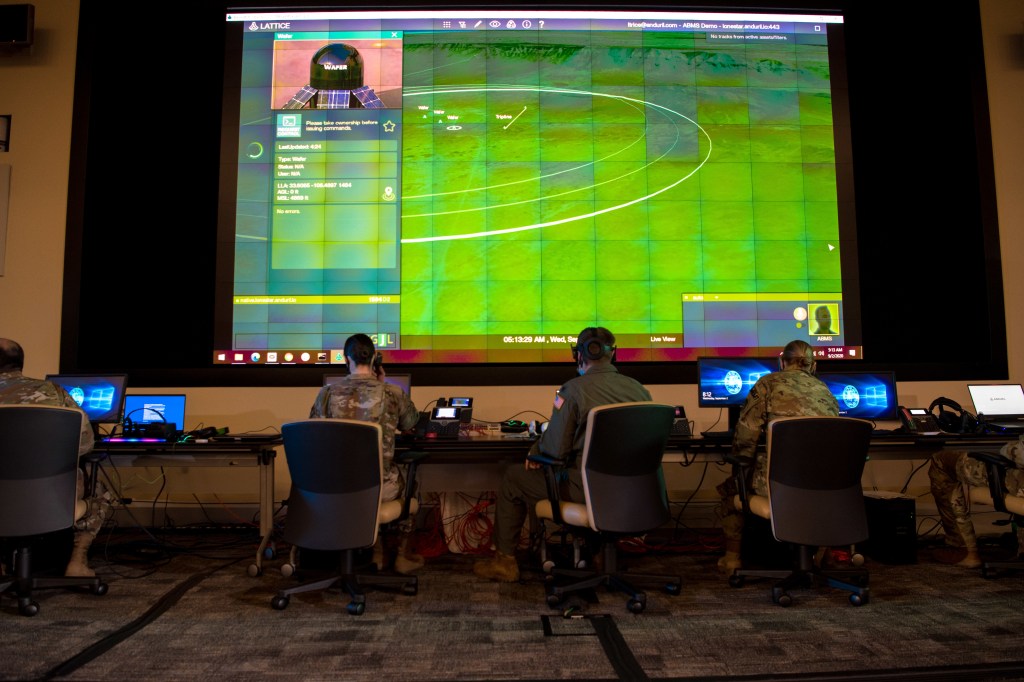
Pentagon’s JADC2 strategy focuses on ‘approach’
The new unclassified summary document comes nearly a year after the Secretary of Defense approved the Joint All-Domain Command and Control strategy.
-
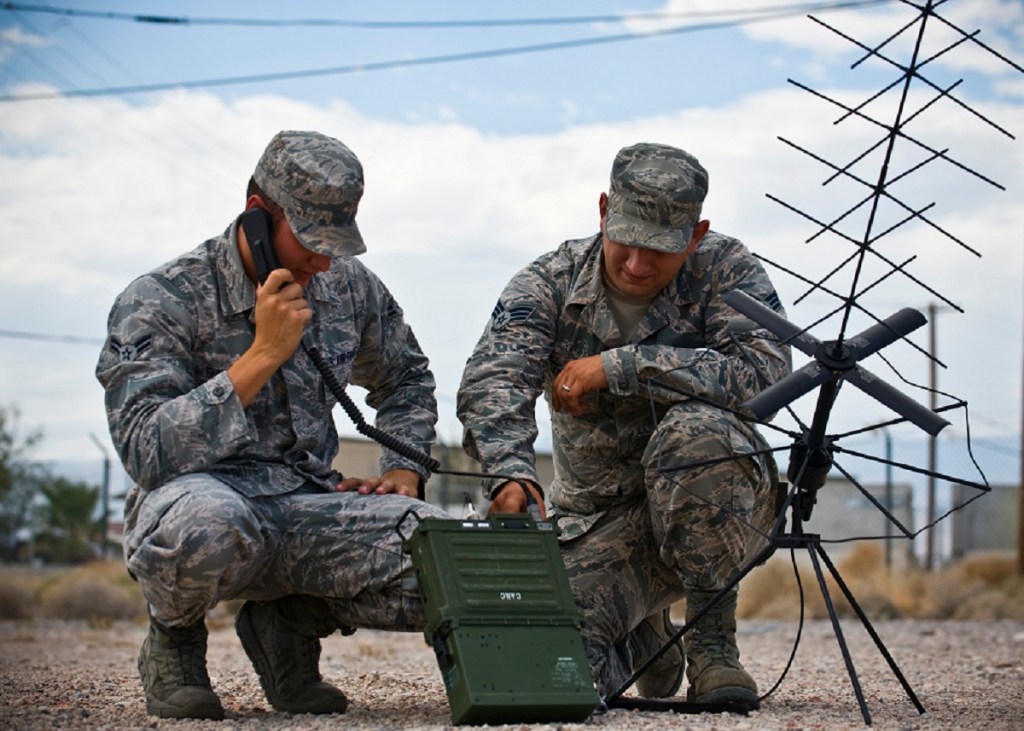
US government clients unaffected by Viasat cyberattack
“The investigation into the recent cyber event on the KA-SAT European network continues in partnership with law enforcement, government partners and Viasat’s third-party cybersecurity firm,” Viasat said in a statement March 11. “We currently believe this was a deliberate, isolated and external cyber event.”
-

Pentagon taps LMI, MORSE for AI data deal
The Data Readiness Artificial Intelligence Development initiative spans “the entire AI data preparation lifecycle, from data ingestion, through labeling, right up to before model training begin,” according to the Joint Artificial Intelligence Center.
-

Congress wants new $200 million program to strengthen AI at combatant commands
“AI is not some future capability,” the deputy defense secretary said. “A large body of modern, mature and tested AI is available now.”
-

Blue, yellow and gray zone: The cyber factor in Ukraine
Russia’s combined air, land and sea assault on Ukraine was preceded by waves of cyberattacks, the sort of gray-zone meddling analysts and defense officials had foreseen. Websites were hamstrung. Malware coursed through computers. Communications were hampered. But the efforts were not crippling.
-
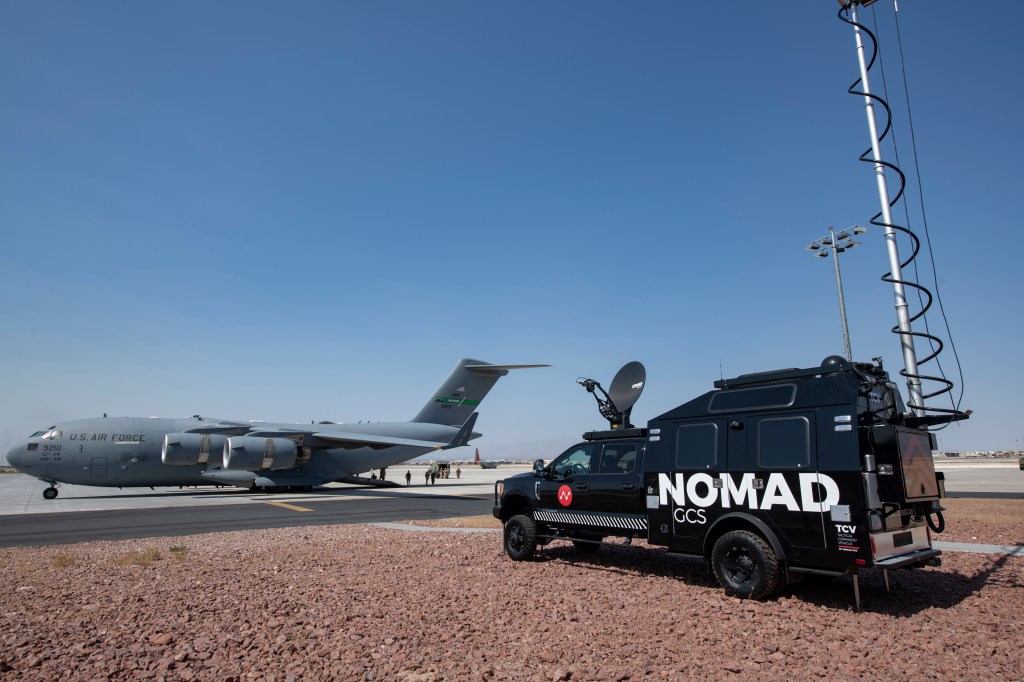
Congress wants to give Air Force an extra $65 million for ABMS
The prospective boost for the Advanced Battle Management System suggests growing support for the effort, which lawmakers and watchdogs have scrutinized.
-

How JADC2 is improving nuclear command and control
The Pentagon’s effort to better connect sensor to shooter and shuttle data is inextricably linked with the high-stakes communication systems of nuclear warfare, and rightly so, the head of U.S. Strategic Command told Congress this week.
-

How to improve the force? Info and tech investments, says HASC chair.
“You can have the biggest force in the world. If it’s not survivable, if it can’t get into the place that it needs to get in to and fight, then it’s really not doing you too much good.”
-

US Navy memo warns of cyber risks amid global tensions
Hackers have exploited mistakes on Navy and private, at-home networks by stealing or guessing passwords and other credentials, furtively installing malware, and posing as service members or veterans to pry information out of people.