
-

Pentagon updates autonomous weapons policy to account for AI advances
The Pentagon’s director of emerging tech policy said the changes incorporate the Defense Department’s vision for AI.
-

Pentagon tech hub reports strong year with 17 projects fielded
The 17 capabilities represent about $1.3 billion in contract awards to companies that haven’t traditionally worked with the Department of Defense.
-
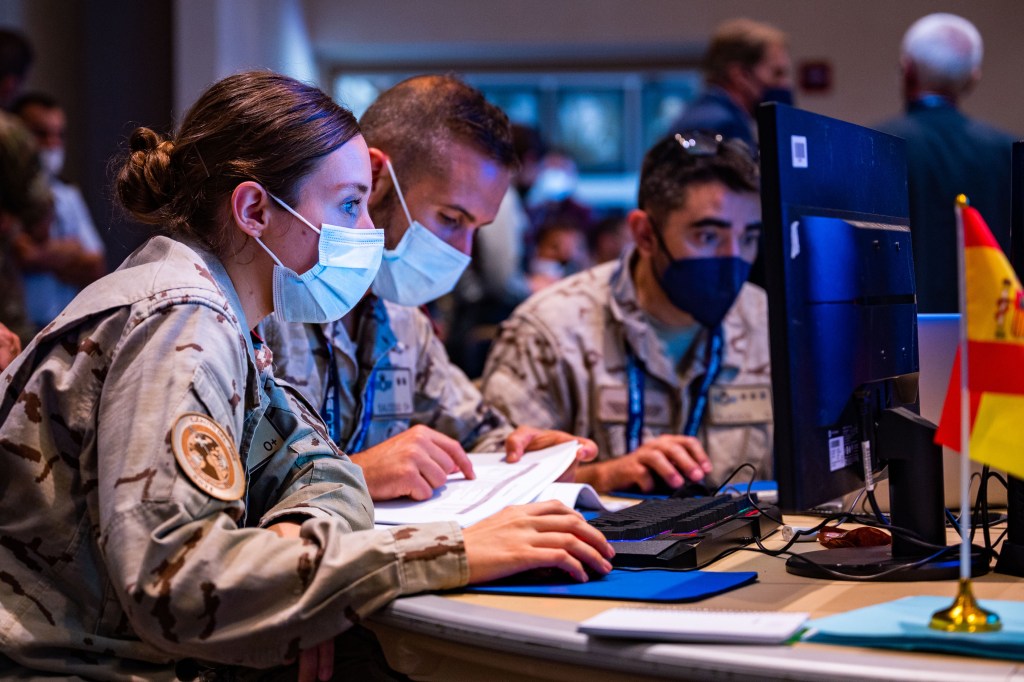
Secrecy hinders info-sharing with allies, says Space Command deputy
The Pentagon’s tendency to overclassify space programs is making it harder for agencies to collaborate with international partners, a general warns.
-

Pentagon strategy calls for integrated satellite comm networks
The plan features a three-phased approach, starting in fiscal 2023 with improving data standards — a step aimed at enabling better information sharing.
-

Defense Innovation Unit eyes partnerships for drone-vetting effort
DIU’s Blue UAS has become the government standard for certifying drones that meet federal cybersecurity and supply chain requirements.
-
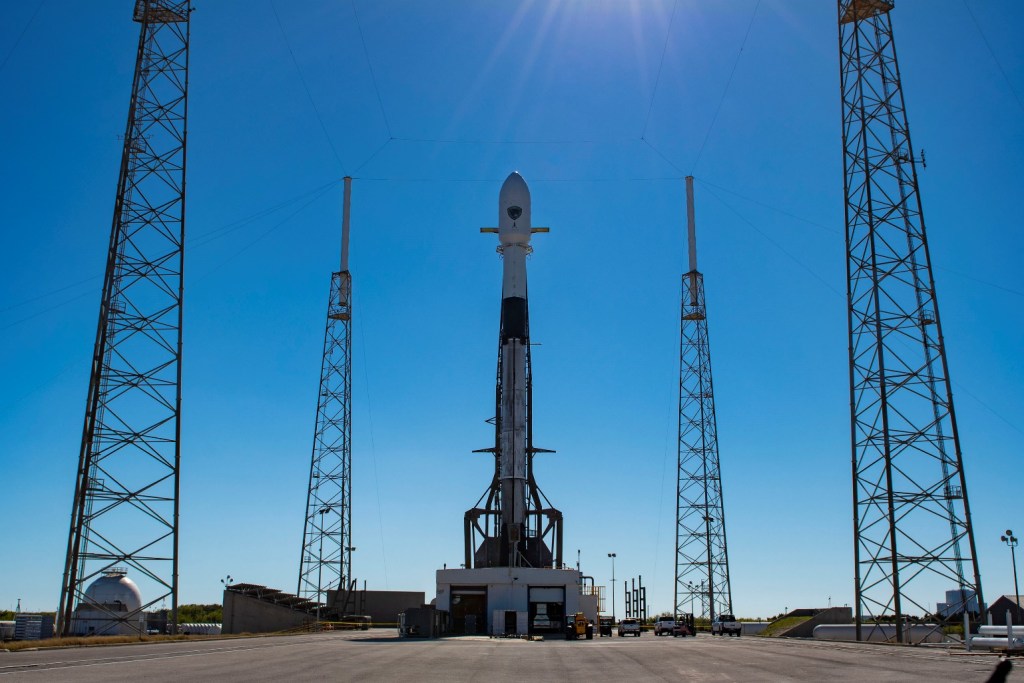
SpaceX launches GPS satellite on reused NASA rocket
The launch was the first U.S. Space Force mission to rely on a rocket previously flown by another government agency.
-
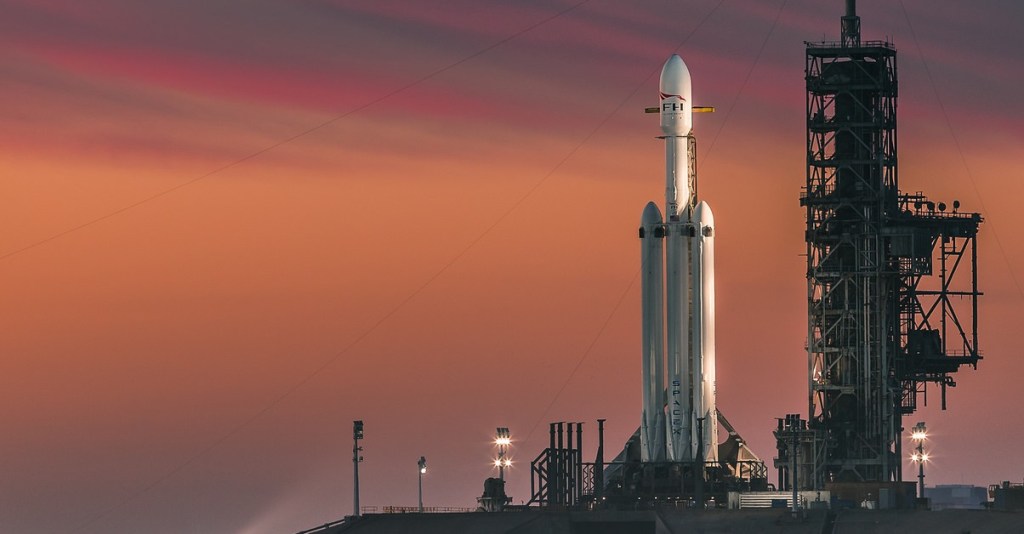
Space Force’s Rapid Capabilities Office eyes first launch this weekend
The mission includes three payloads from the Space Rapid Capabilities Office: two for enhanced situational awareness and one for secure communications.
-
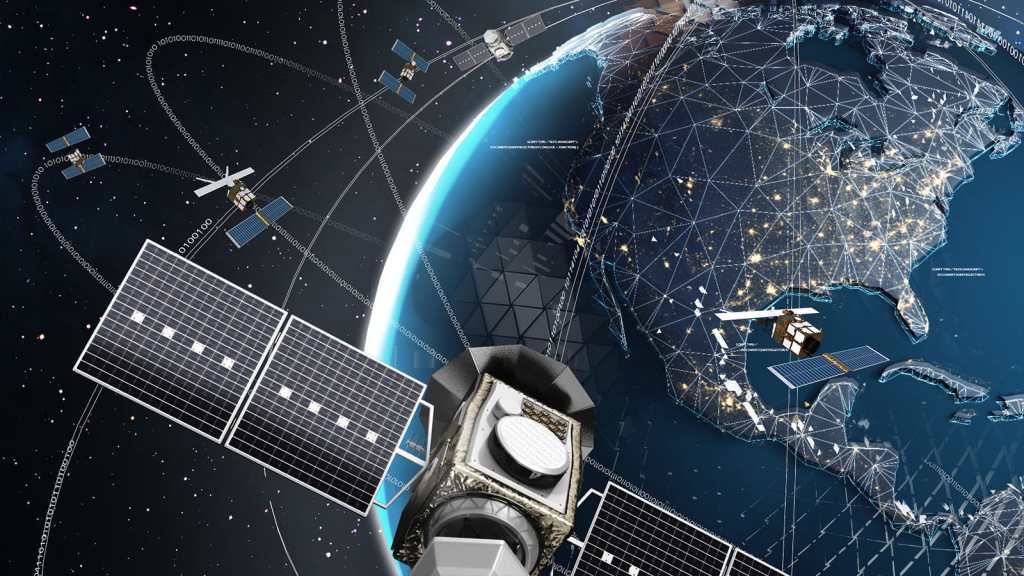
Lawmakers chart ‘middle course’ on space-based missile warning funding
Congress gave the Space Force $450 million more in fiscal 2023 for space-based missile warning and tracking. Does that mean lawmakers endorse its strategy?
-

Air Force, Space Force pursue AI readiness by 2025
To get after AI readiness, the Department of the Air Force must continue investments in training and infrastructure, says the outgoing AI and data chief.
-
Raytheon, Millennium get more funding for missile tracking satellites
Through the Missile Track Custody program, the service plans to launch satellites to medium Earth orbit, where space sensors can observe a larger area.
-
Pentagon updates autonomous weapons policy to account for AI advances
The Pentagon’s director of emerging tech policy said the changes incorporate the Defense Department’s vision for AI.
-
Pentagon tech hub reports strong year with 17 projects fielded
The 17 capabilities represent about $1.3 billion in contract awards to companies that haven’t traditionally worked with the Department of Defense.
-
Secrecy hinders info-sharing with allies, says Space Command deputy
The Pentagon’s tendency to overclassify space programs is making it harder for agencies to collaborate with international partners, a general warns.
-
Pentagon strategy calls for integrated satellite comm networks
The plan features a three-phased approach, starting in fiscal 2023 with improving data standards — a step aimed at enabling better information sharing.
-
Defense Innovation Unit eyes partnerships for drone-vetting effort
DIU’s Blue UAS has become the government standard for certifying drones that meet federal cybersecurity and supply chain requirements.
-
SpaceX launches GPS satellite on reused NASA rocket
The launch was the first U.S. Space Force mission to rely on a rocket previously flown by another government agency.
-
Space Force’s Rapid Capabilities Office eyes first launch this weekend
The mission includes three payloads from the Space Rapid Capabilities Office: two for enhanced situational awareness and one for secure communications.
-
Lawmakers chart ‘middle course’ on space-based missile warning funding
Congress gave the Space Force $450 million more in fiscal 2023 for space-based missile warning and tracking. Does that mean lawmakers endorse its strategy?
-
Air Force, Space Force pursue AI readiness by 2025
To get after AI readiness, the Department of the Air Force must continue investments in training and infrastructure, says the outgoing AI and data chief.
-
Raytheon, Millennium get more funding for missile tracking satellites
Through the Missile Track Custody program, the service plans to launch satellites to medium Earth orbit, where space sensors can observe a larger area.