-
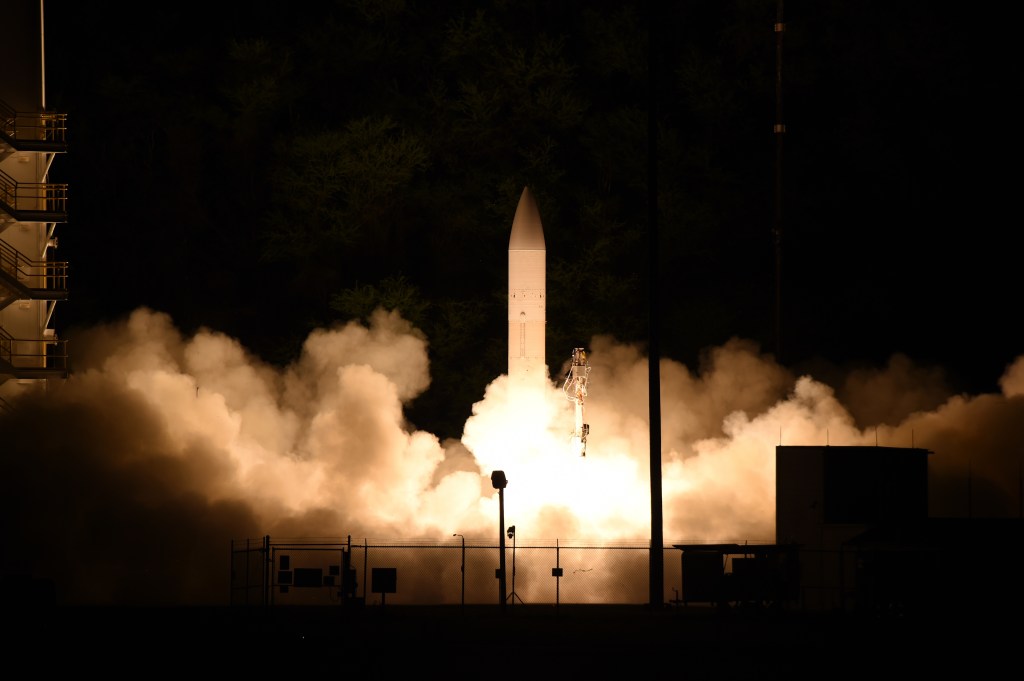
White House recognizes hypersonics, directed energy as critical technologies
The Biden administration’s update to the critical and emerging technologies list closely reflects the Pentagon’s new science and technology vision, which was released earlier this month.
-

New Pentagon strategy wants to elevate software factories
The document envisions a future department-wide software factory ecosystem.
-

Top Pentagon officials met with industry executives about hypersonics. What comes next?
Experts say the Pentagon’s call for progress on hypersonic weapons development must be backed up with fiscal 2023 investments in much-needed testing infrastructure.
-

L3Harris to lead integration of new space domain awareness system
The new system will modernize the U.S. Space Force’s command-and-control capabilities and paves the way for the service to decommission the legacy Space Defense Operations Center.
-
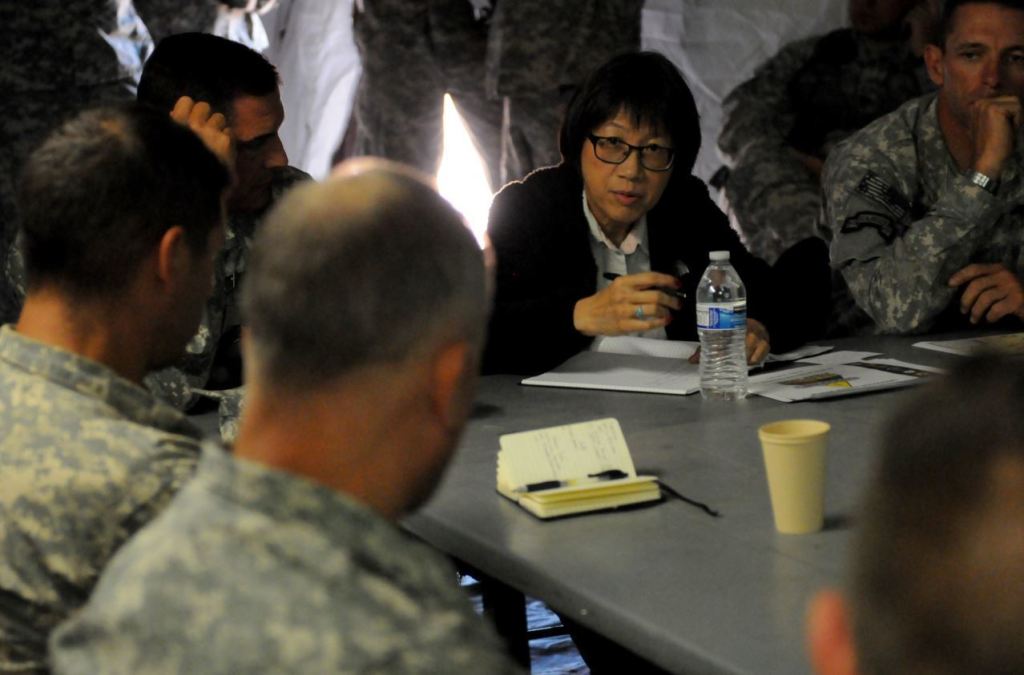
New strategy will harness emerging tech to beat adversaries
The strategy will target 14 critical technologies ranging from emerging sciences to commercially available capability.
-
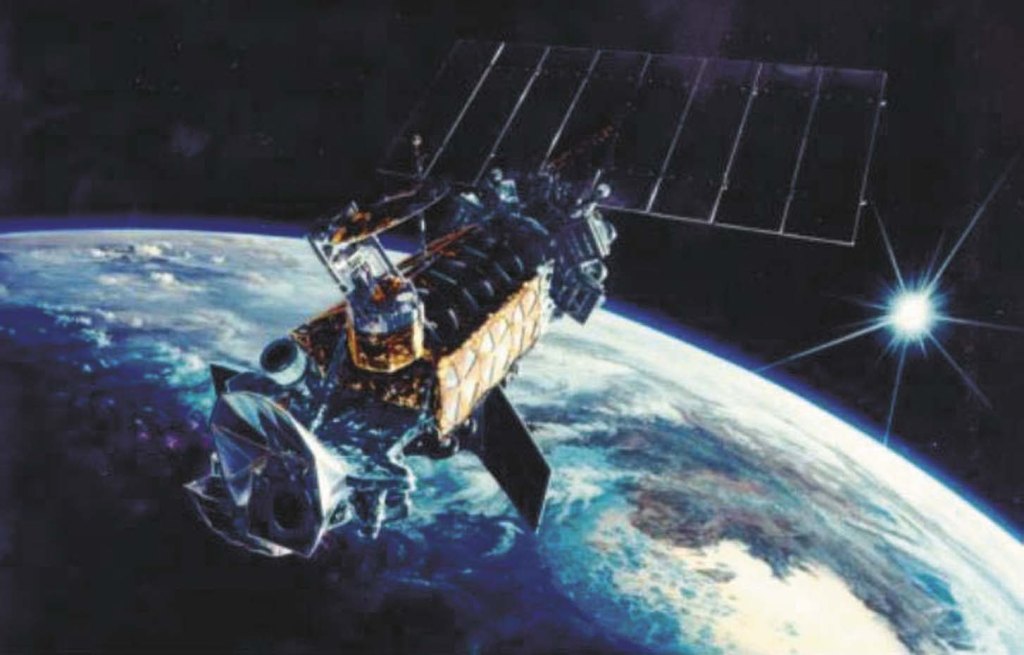
Space weather sensor passes final design review
The sensor is part of General Atomics’ offering for the Space Force’s Electro Optical Infrared Weather System program. The service will choose one company’s prototype this spring for an on-orbit demonstration.
-

New 5G challenge to incentivize open architecture solutions
The challenge will focus on open network concepts that could be integrated into future DoD 5G testbeds.
-
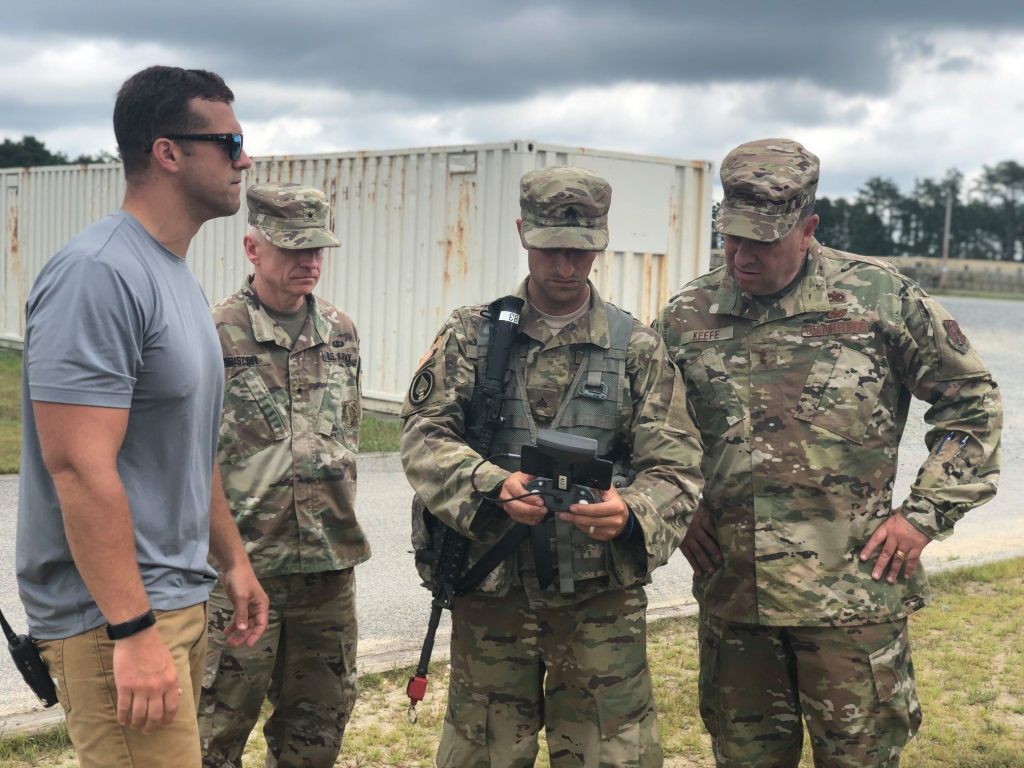
Defense Innovation Unit highlights 2021 technology transition efforts
The Defense Innovation Unit transitioned eight projects from commercial vendors to military users last year, according to its annual report.
-

Department of Defense labs face $5 billion infrastructure shortfall
The Pentagon’s innovation steering group will brief Congress this month on the details of the funding gap.
-
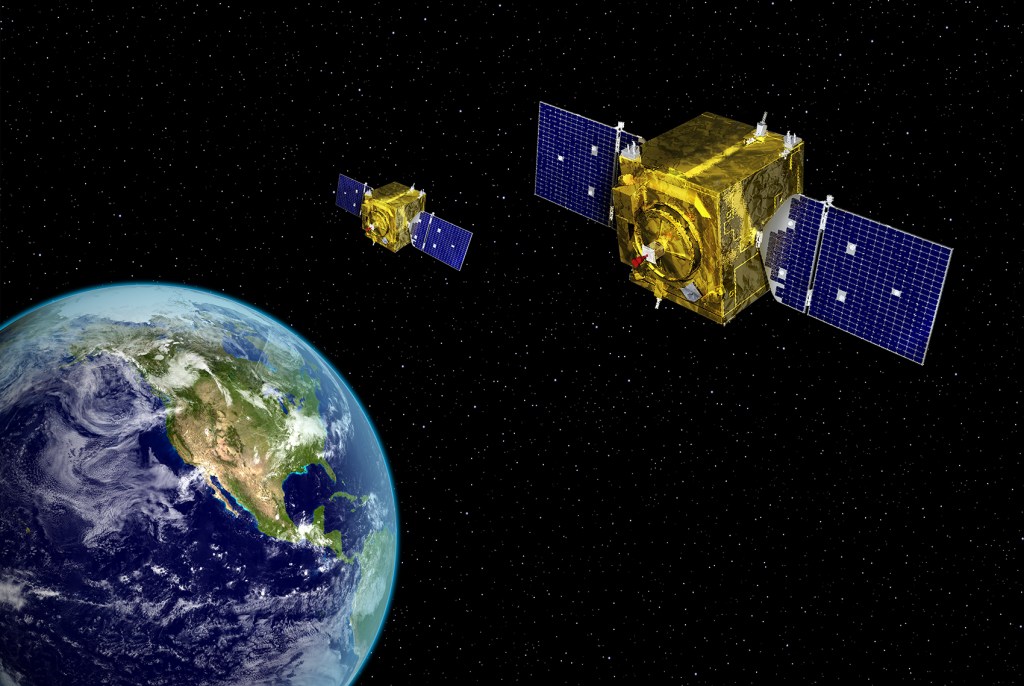
Space Force expands on-orbit ‘neighborhood watch’ mission with two new tracking satellites
The service now has six GSSAP satellites on orbit, improving its situational awareness from the GEO belt.
-
White House recognizes hypersonics, directed energy as critical technologies
The Biden administration’s update to the critical and emerging technologies list closely reflects the Pentagon’s new science and technology vision, which was released earlier this month.
-
New Pentagon strategy wants to elevate software factories
The document envisions a future department-wide software factory ecosystem.
-
Top Pentagon officials met with industry executives about hypersonics. What comes next?
Experts say the Pentagon’s call for progress on hypersonic weapons development must be backed up with fiscal 2023 investments in much-needed testing infrastructure.
-
L3Harris to lead integration of new space domain awareness system
The new system will modernize the U.S. Space Force’s command-and-control capabilities and paves the way for the service to decommission the legacy Space Defense Operations Center.
-
New strategy will harness emerging tech to beat adversaries
The strategy will target 14 critical technologies ranging from emerging sciences to commercially available capability.
-
Space weather sensor passes final design review
The sensor is part of General Atomics’ offering for the Space Force’s Electro Optical Infrared Weather System program. The service will choose one company’s prototype this spring for an on-orbit demonstration.
-
New 5G challenge to incentivize open architecture solutions
The challenge will focus on open network concepts that could be integrated into future DoD 5G testbeds.
-
Defense Innovation Unit highlights 2021 technology transition efforts
The Defense Innovation Unit transitioned eight projects from commercial vendors to military users last year, according to its annual report.
-
Department of Defense labs face $5 billion infrastructure shortfall
The Pentagon’s innovation steering group will brief Congress this month on the details of the funding gap.
-
Space Force expands on-orbit ‘neighborhood watch’ mission with two new tracking satellites
The service now has six GSSAP satellites on orbit, improving its situational awareness from the GEO belt.