-
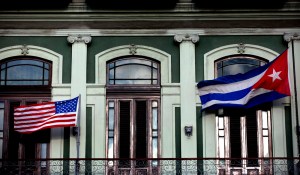
State Department to Cuba personnel: Run away if you hear weird noises
U.S. government employees traveling to Havana, Cuba, have only been provided with a single technique for protecting themselves from the sonic attacks and health issues reported over the past year by embassy employees there: move away from unusual sounds.
-
The botnet solution everybody already knows about
The tools and best practices for preventing botnet attacks already exist, says a recent National Telecommunications and Information Administration draft report to the president. Governments and industries worldwide just need to take advantage of them.
-

Healthcare breaches from ransomware nearly doubled last year
The number of major IT breaches in the healthcare industry caused by ransomware attacks was 89 percent higher in 2017 than in 2016, according to a recent Cryptonite report.
-

Report: Most agencies vulnerable to phishing
Nearly half of agency email domains have adopted policies to collect data on unauthorized emails as mandated by an Oct. 16, 2017, Department of Homeland Security directive.
-

FERC proposes rule to expand cyber incident reporting
The Federal Energy Regulatory Commission wants to expand cyber incident reporting requirements to include any time an adversary attempts to break into an energy company’s networks, rather than only those that compromise the company’s critical operations.
-

Feds officially pin WannaCry ransomware attack on North Korea
Homeland Security Adviser Tom Bossert announced Tuesday that the U.S. is officially attributing the cyberattack to the North Korean government.
-

Kaspersky to file lawsuit over DHS ban
Moscow-based Kaspersky Labs announced today that it will be filing an appeal in U.S. federal court over the Department of Homeland Security’s binding operational directive to ban the use of all Kaspersky products within the federal government.
-
Public sector most targeted by malicious hackers, MacAfee finds
From 2016 to 2017, hackers around the world most often targeted the public sector in their attacks, according to publicly disclosed incidents compiled in McAfee Labs’ recent quarterly threat report.
-
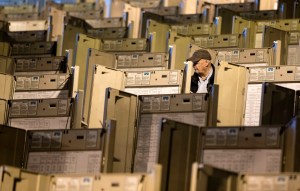
Senator calls on administration to act on election cybersecurity since Congress won’t
“Congressional leadership conveniently chooses to believe that this is a states’ rights issue, even if it means leaving our national elections vulnerable to cyber attacks,” Sen. Ron Wyden wrote to President Trump’s national security adviser.
-
State Department to Cuba personnel: Run away if you hear weird noises
U.S. government employees traveling to Havana, Cuba, have only been provided with a single technique for protecting themselves from the sonic attacks and health issues reported over the past year by embassy employees there: move away from unusual sounds.
-
The botnet solution everybody already knows about
The tools and best practices for preventing botnet attacks already exist, says a recent National Telecommunications and Information Administration draft report to the president. Governments and industries worldwide just need to take advantage of them.
-
Healthcare breaches from ransomware nearly doubled last year
The number of major IT breaches in the healthcare industry caused by ransomware attacks was 89 percent higher in 2017 than in 2016, according to a recent Cryptonite report.
-
Report: Most agencies vulnerable to phishing
Nearly half of agency email domains have adopted policies to collect data on unauthorized emails as mandated by an Oct. 16, 2017, Department of Homeland Security directive.
-
FERC proposes rule to expand cyber incident reporting
The Federal Energy Regulatory Commission wants to expand cyber incident reporting requirements to include any time an adversary attempts to break into an energy company’s networks, rather than only those that compromise the company’s critical operations.
-
Feds officially pin WannaCry ransomware attack on North Korea
Homeland Security Adviser Tom Bossert announced Tuesday that the U.S. is officially attributing the cyberattack to the North Korean government.
-
Kaspersky to file lawsuit over DHS ban
Moscow-based Kaspersky Labs announced today that it will be filing an appeal in U.S. federal court over the Department of Homeland Security’s binding operational directive to ban the use of all Kaspersky products within the federal government.
-
Public sector most targeted by malicious hackers, MacAfee finds
From 2016 to 2017, hackers around the world most often targeted the public sector in their attacks, according to publicly disclosed incidents compiled in McAfee Labs’ recent quarterly threat report.
-
Senator calls on administration to act on election cybersecurity since Congress won’t
“Congressional leadership conveniently chooses to believe that this is a states’ rights issue, even if it means leaving our national elections vulnerable to cyber attacks,” Sen. Ron Wyden wrote to President Trump’s national security adviser.
-
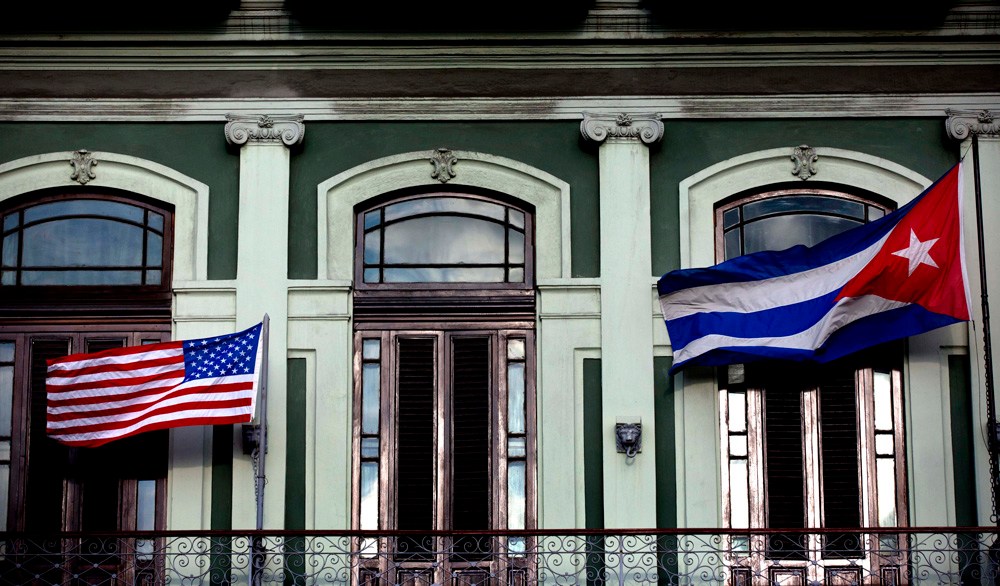
State Department to Cuba personnel: Run away if you hear weird noises
U.S. government employees traveling to Havana, Cuba, have only been provided with a single technique for protecting themselves from the sonic attacks and health issues reported over the past year by embassy employees there: move away from unusual sounds.
-
The botnet solution everybody already knows about
The tools and best practices for preventing botnet attacks already exist, says a recent National Telecommunications and Information Administration draft report to the president. Governments and industries worldwide just need to take advantage of them.
-

Healthcare breaches from ransomware nearly doubled last year
The number of major IT breaches in the healthcare industry caused by ransomware attacks was 89 percent higher in 2017 than in 2016, according to a recent Cryptonite report.
-
Report: Most agencies vulnerable to phishing
Nearly half of agency email domains have adopted policies to collect data on unauthorized emails as mandated by an Oct. 16, 2017, Department of Homeland Security directive.
-
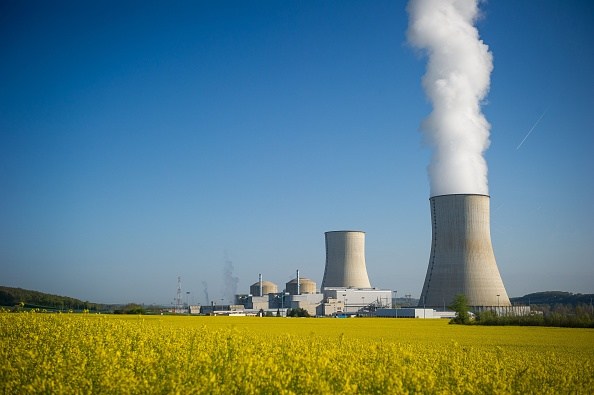
FERC proposes rule to expand cyber incident reporting
The Federal Energy Regulatory Commission wants to expand cyber incident reporting requirements to include any time an adversary attempts to break into an energy company’s networks, rather than only those that compromise the company’s critical operations.
-
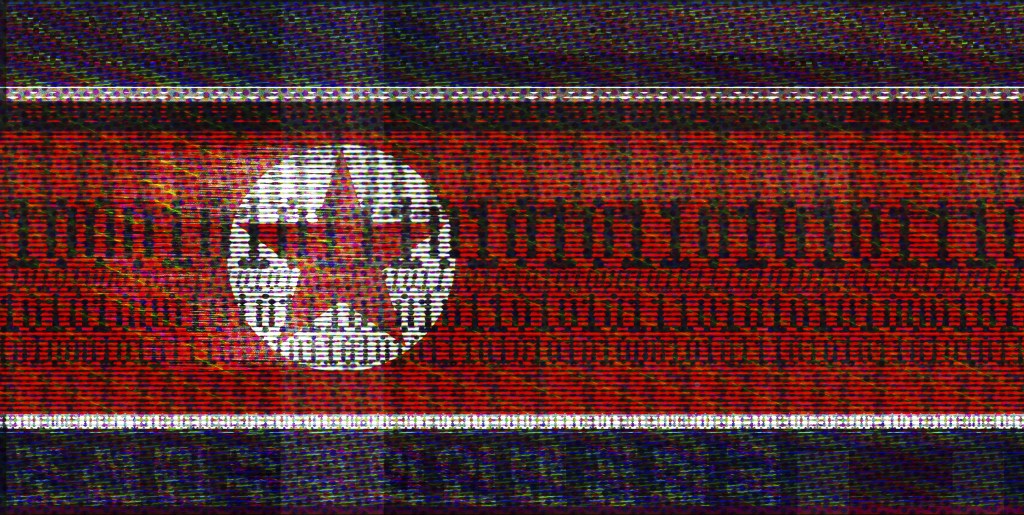
Feds officially pin WannaCry ransomware attack on North Korea
Homeland Security Adviser Tom Bossert announced Tuesday that the U.S. is officially attributing the cyberattack to the North Korean government.
-

Kaspersky to file lawsuit over DHS ban
Moscow-based Kaspersky Labs announced today that it will be filing an appeal in U.S. federal court over the Department of Homeland Security’s binding operational directive to ban the use of all Kaspersky products within the federal government.
-
Public sector most targeted by malicious hackers, MacAfee finds
From 2016 to 2017, hackers around the world most often targeted the public sector in their attacks, according to publicly disclosed incidents compiled in McAfee Labs’ recent quarterly threat report.
-
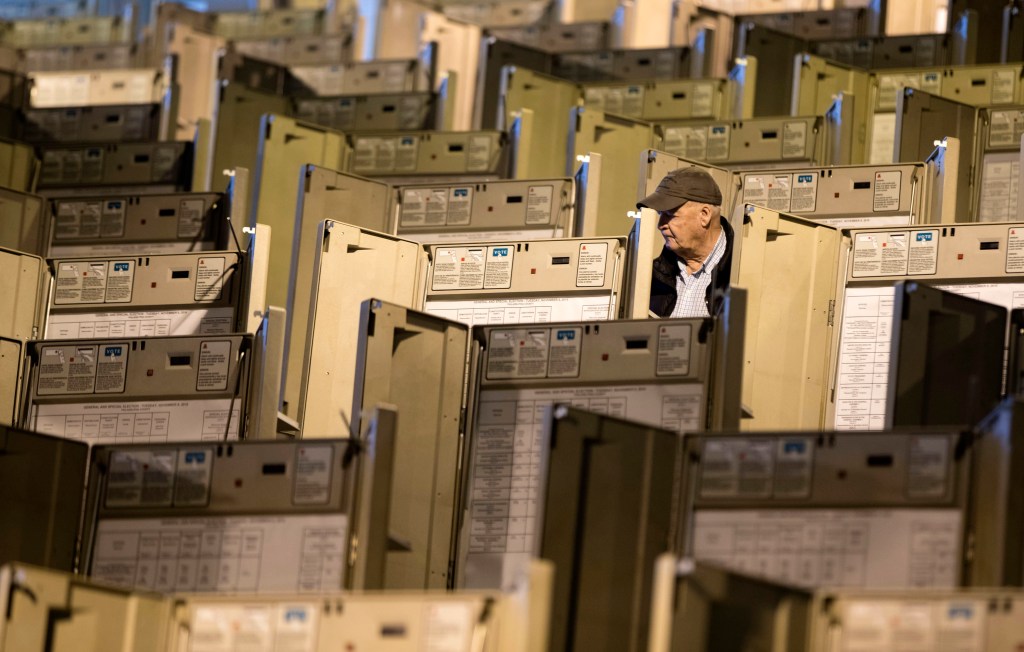
Senator calls on administration to act on election cybersecurity since Congress won’t
“Congressional leadership conveniently chooses to believe that this is a states’ rights issue, even if it means leaving our national elections vulnerable to cyber attacks,” Sen. Ron Wyden wrote to President Trump’s national security adviser.