-

Why the Justice Department cared about chain restaurant hackers
The FIN7 group’s brazen hacking campaign shows how simple fishing and social engineering tactics can have devastating consequences.
-

Cyber Command chief prepared to conduct operations in response to election meddling
During a press conference at the White House August 2, Gen. Paul Nakasone said that he was tracking foreign adversaries and was prepared to conduct operations against those attempting to undermine the U.S. midterm elections.
-

America could protect cyberspace like WMDs
The State Department is building a coalition of allies in cyberspace that it hopes can deter state-backed malicious activity.
-
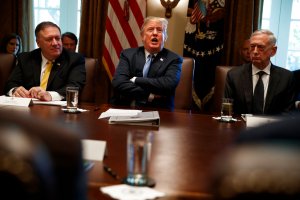
The fight over Trump’s cyber strategy
A senior Defense Department official described the current administration’s cyber policy as “a potential catastrophe” because cyber briefings are missed or not taking place altogether.
-
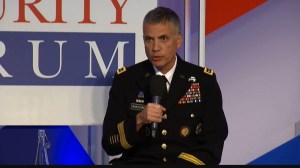
Cyber Command wants to partner with private sector to stop hacks
Gen. Paul Nakasone, head of the National Security Agency and Cyber Command, advocated for a more expansive partnership with the private sector amid an array of cyberthreats.
-

Homeland Security announces new first response cyber center
The National Risk Management Center is supposed to provide a centralized home where companies and local agencies can go to for cybersecurity issues.
-

Symantec: Financial cyberattacks are on the rise
Hackers targeting both large financial institutions and individuals for profit have increased over the past year, according to security software company Symantec.
-
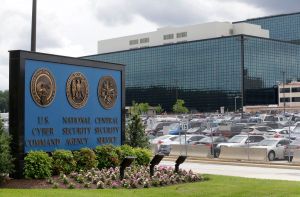
The AI that protects DoD networks from zero-day exploits
A top NSA cybersecurity program for protecting Department of Defense’s network from malware threats is being transferred to the Defense Information Systems Agency.
-

Why Congress may have just boosted China’s cybersecurity
Lawmakers’ decision to spare ZTE is a boon for the Chinese government, which has embarked on a strategy of homegrown technological development that could bolster Beijing’s cyber capabilities.
-

NSA criticized for ‘increased risk’ of jeopardizing civil liberties
The criticism comes after a fight over unauthorized searches of digital and electronic records by the National Security Agency.
-
Why the Justice Department cared about chain restaurant hackers
The FIN7 group’s brazen hacking campaign shows how simple fishing and social engineering tactics can have devastating consequences.
-
Cyber Command chief prepared to conduct operations in response to election meddling
During a press conference at the White House August 2, Gen. Paul Nakasone said that he was tracking foreign adversaries and was prepared to conduct operations against those attempting to undermine the U.S. midterm elections.
-
America could protect cyberspace like WMDs
The State Department is building a coalition of allies in cyberspace that it hopes can deter state-backed malicious activity.
-
The fight over Trump’s cyber strategy
A senior Defense Department official described the current administration’s cyber policy as “a potential catastrophe” because cyber briefings are missed or not taking place altogether.
-
Cyber Command wants to partner with private sector to stop hacks
Gen. Paul Nakasone, head of the National Security Agency and Cyber Command, advocated for a more expansive partnership with the private sector amid an array of cyberthreats.
-
Homeland Security announces new first response cyber center
The National Risk Management Center is supposed to provide a centralized home where companies and local agencies can go to for cybersecurity issues.
-
Symantec: Financial cyberattacks are on the rise
Hackers targeting both large financial institutions and individuals for profit have increased over the past year, according to security software company Symantec.
-
The AI that protects DoD networks from zero-day exploits
A top NSA cybersecurity program for protecting Department of Defense’s network from malware threats is being transferred to the Defense Information Systems Agency.
-
Why Congress may have just boosted China’s cybersecurity
Lawmakers’ decision to spare ZTE is a boon for the Chinese government, which has embarked on a strategy of homegrown technological development that could bolster Beijing’s cyber capabilities.
-
NSA criticized for ‘increased risk’ of jeopardizing civil liberties
The criticism comes after a fight over unauthorized searches of digital and electronic records by the National Security Agency.
-
Why the Justice Department cared about chain restaurant hackers
The FIN7 group’s brazen hacking campaign shows how simple fishing and social engineering tactics can have devastating consequences.
-
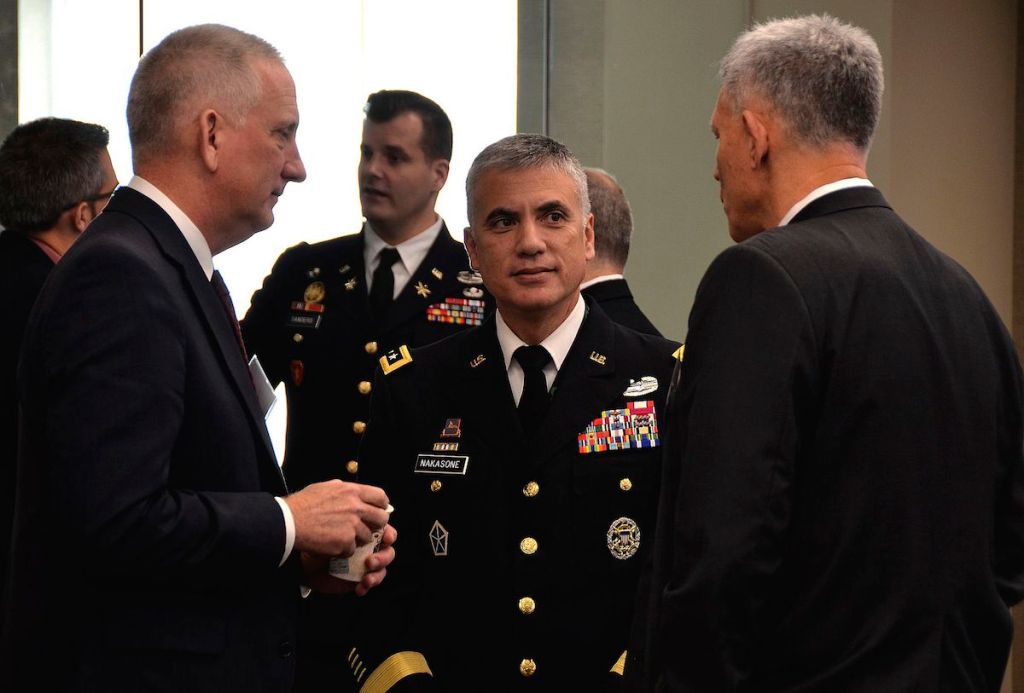
Cyber Command chief prepared to conduct operations in response to election meddling
During a press conference at the White House August 2, Gen. Paul Nakasone said that he was tracking foreign adversaries and was prepared to conduct operations against those attempting to undermine the U.S. midterm elections.
-

America could protect cyberspace like WMDs
The State Department is building a coalition of allies in cyberspace that it hopes can deter state-backed malicious activity.
-
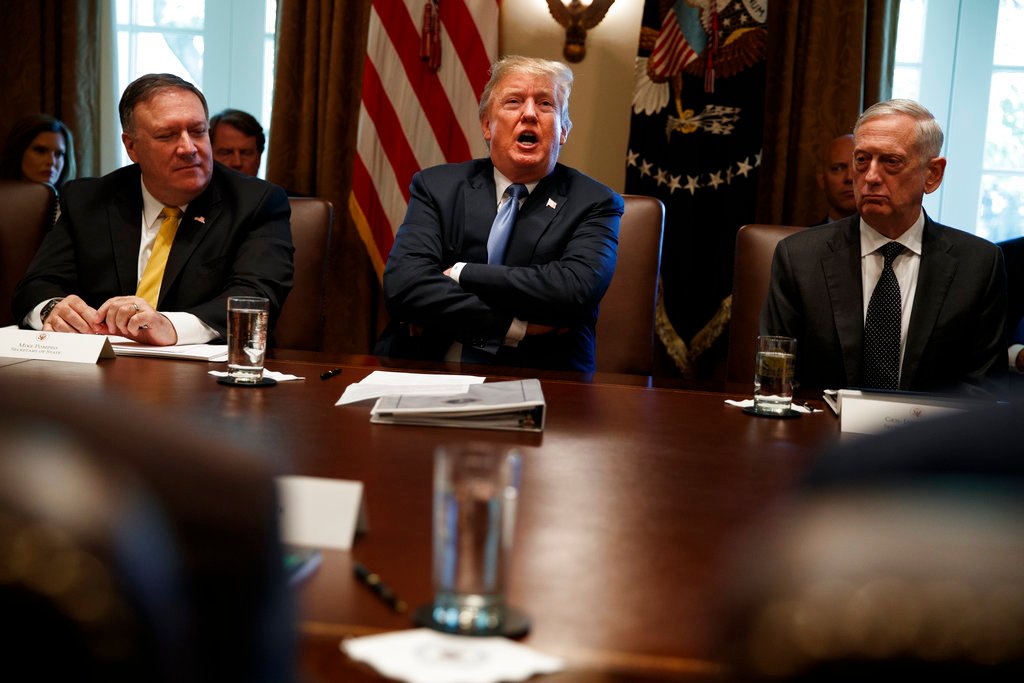
The fight over Trump’s cyber strategy
A senior Defense Department official described the current administration’s cyber policy as “a potential catastrophe” because cyber briefings are missed or not taking place altogether.
-
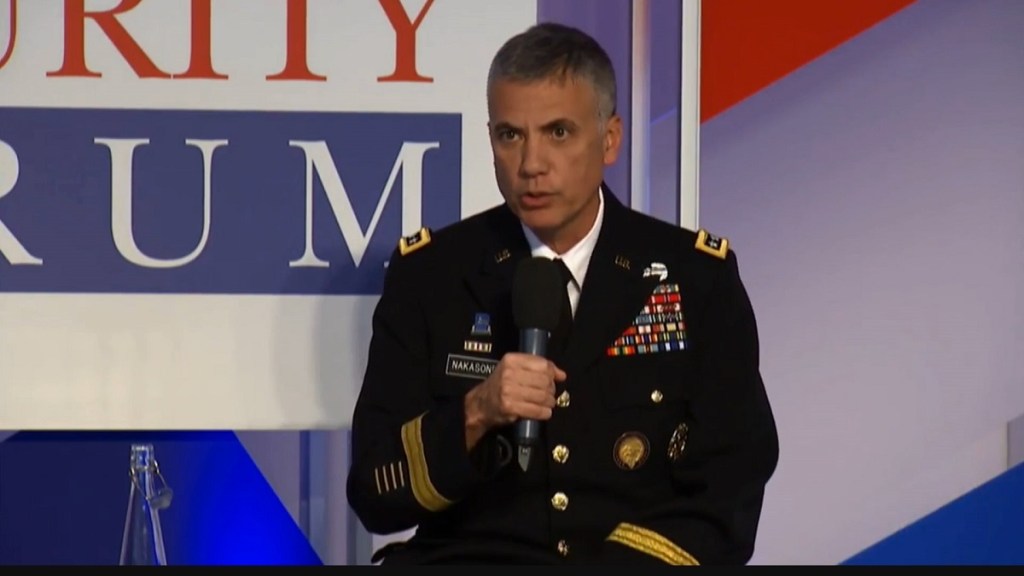
Cyber Command wants to partner with private sector to stop hacks
Gen. Paul Nakasone, head of the National Security Agency and Cyber Command, advocated for a more expansive partnership with the private sector amid an array of cyberthreats.
-

Homeland Security announces new first response cyber center
The National Risk Management Center is supposed to provide a centralized home where companies and local agencies can go to for cybersecurity issues.
-
Symantec: Financial cyberattacks are on the rise
Hackers targeting both large financial institutions and individuals for profit have increased over the past year, according to security software company Symantec.
-
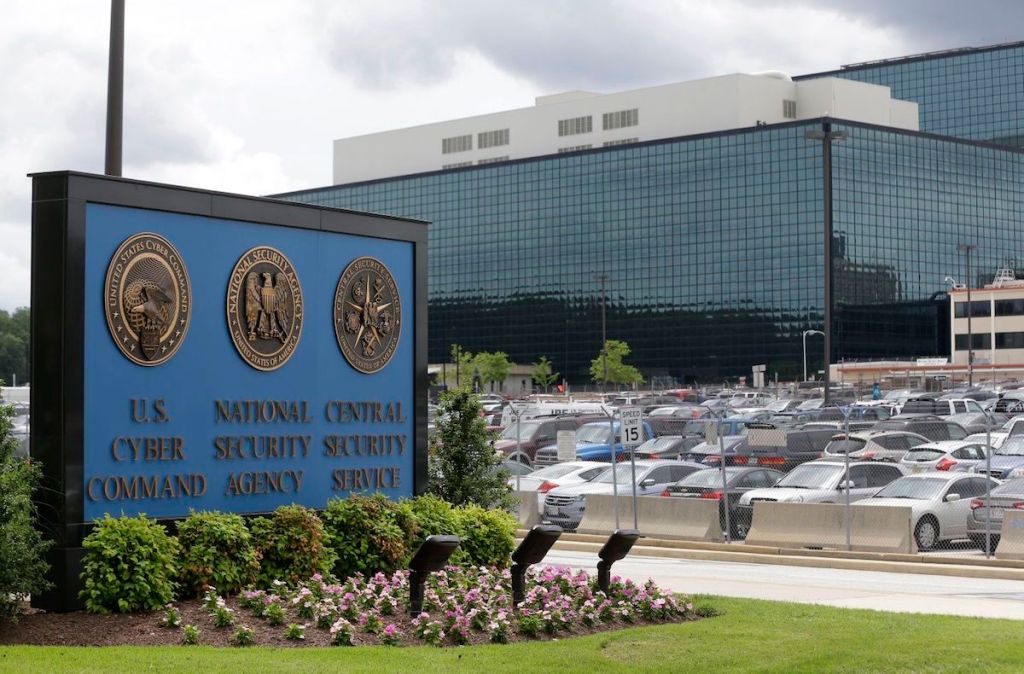
The AI that protects DoD networks from zero-day exploits
A top NSA cybersecurity program for protecting Department of Defense’s network from malware threats is being transferred to the Defense Information Systems Agency.
-

Why Congress may have just boosted China’s cybersecurity
Lawmakers’ decision to spare ZTE is a boon for the Chinese government, which has embarked on a strategy of homegrown technological development that could bolster Beijing’s cyber capabilities.
-

NSA criticized for ‘increased risk’ of jeopardizing civil liberties
The criticism comes after a fight over unauthorized searches of digital and electronic records by the National Security Agency.