-

Big worries come in small, robotic, maggot-like packages
Researchers prove tiny, brainless robots can perform collective tasks like maneuvering a corral through an obstacle course, which has implications for autonomy in denied environments.
-

Pentagon wants nuclear secrets out of the silos and into the cloud
New Pentagon-specific cloud infrastructure must be built to accommodate nuclear secrets, and hopefully the attendant risk.
-
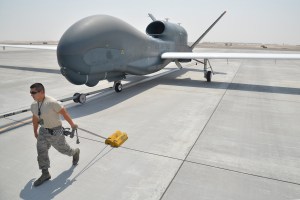
How intel agencies can win over skeptics in Silicon Valley
In light of protest over the Pentagon’s use of AI, Defense and intelligence agencies have to rethink how to sell their mission to Silicon Valley.
-
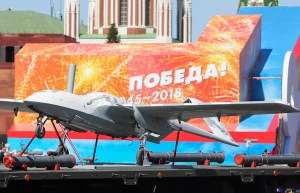
Russia debuts electronic war-fighter drone
The annual military victory parade in Moscow revealed armed variants of surveillance drones that could support Russia’s irregular wars.
-

In the future, Iran could 3D-print its way around sanctions
A new RAND study looks at the way additive manufacturing, better known as 3D printing, could create new security threats.
-
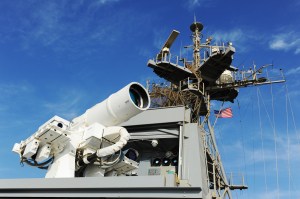
Leonardo invests $5 million in laser division
Leonardo announced an investment of $5 million into Lasertel, its custom laser diode division based in Tucson, Arizona.
-
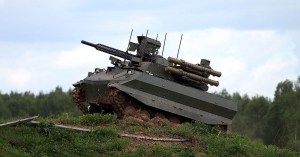
Russia confirms its armed robot tank was in Syria
According to statements published today in Russia’s state-owned RIA Novosti, Deputy Minister of Defense Yuriy Borisov confirmed that the country tested its Uran-9 robots in Syria.
-
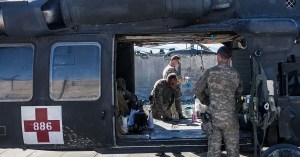
DIUx wants drones that are out for blood
Defense Innovation Unit Experimental, the Pentagon’s stand-up Silicon Valley-focused acquisition house, is looking for a drone that can carry a modest cargo of blood, through the dark of night toward where it’s most needed. Call it “Dronesferatu.”
-
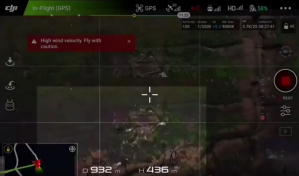
Cry ‘Mavic’ and let slip the drones of irregular war
A recent video of a bombing drone suggested it might be a DJI Mavic model, showing how cheap, easy-to-use quadcopters can change future warfare.
-
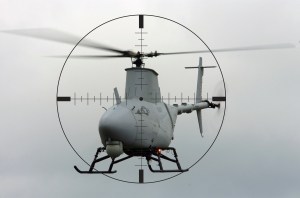
Five questions on autonomous weapons and the future of war
Paul Scharre, a former U.S. Army Ranger who now heads a program at the Center for New American Security, discusses the roles for humans in future wars with autonomous weapons.
-
Big worries come in small, robotic, maggot-like packages
Researchers prove tiny, brainless robots can perform collective tasks like maneuvering a corral through an obstacle course, which has implications for autonomy in denied environments.
-
Pentagon wants nuclear secrets out of the silos and into the cloud
New Pentagon-specific cloud infrastructure must be built to accommodate nuclear secrets, and hopefully the attendant risk.
-
How intel agencies can win over skeptics in Silicon Valley
In light of protest over the Pentagon’s use of AI, Defense and intelligence agencies have to rethink how to sell their mission to Silicon Valley.
-
Russia debuts electronic war-fighter drone
The annual military victory parade in Moscow revealed armed variants of surveillance drones that could support Russia’s irregular wars.
-
In the future, Iran could 3D-print its way around sanctions
A new RAND study looks at the way additive manufacturing, better known as 3D printing, could create new security threats.
-
Leonardo invests $5 million in laser division
Leonardo announced an investment of $5 million into Lasertel, its custom laser diode division based in Tucson, Arizona.
-
Russia confirms its armed robot tank was in Syria
According to statements published today in Russia’s state-owned RIA Novosti, Deputy Minister of Defense Yuriy Borisov confirmed that the country tested its Uran-9 robots in Syria.
-
DIUx wants drones that are out for blood
Defense Innovation Unit Experimental, the Pentagon’s stand-up Silicon Valley-focused acquisition house, is looking for a drone that can carry a modest cargo of blood, through the dark of night toward where it’s most needed. Call it “Dronesferatu.”
-
Cry ‘Mavic’ and let slip the drones of irregular war
A recent video of a bombing drone suggested it might be a DJI Mavic model, showing how cheap, easy-to-use quadcopters can change future warfare.
-
Five questions on autonomous weapons and the future of war
Paul Scharre, a former U.S. Army Ranger who now heads a program at the Center for New American Security, discusses the roles for humans in future wars with autonomous weapons.
-

Big worries come in small, robotic, maggot-like packages
Researchers prove tiny, brainless robots can perform collective tasks like maneuvering a corral through an obstacle course, which has implications for autonomy in denied environments.
-

Pentagon wants nuclear secrets out of the silos and into the cloud
New Pentagon-specific cloud infrastructure must be built to accommodate nuclear secrets, and hopefully the attendant risk.
-
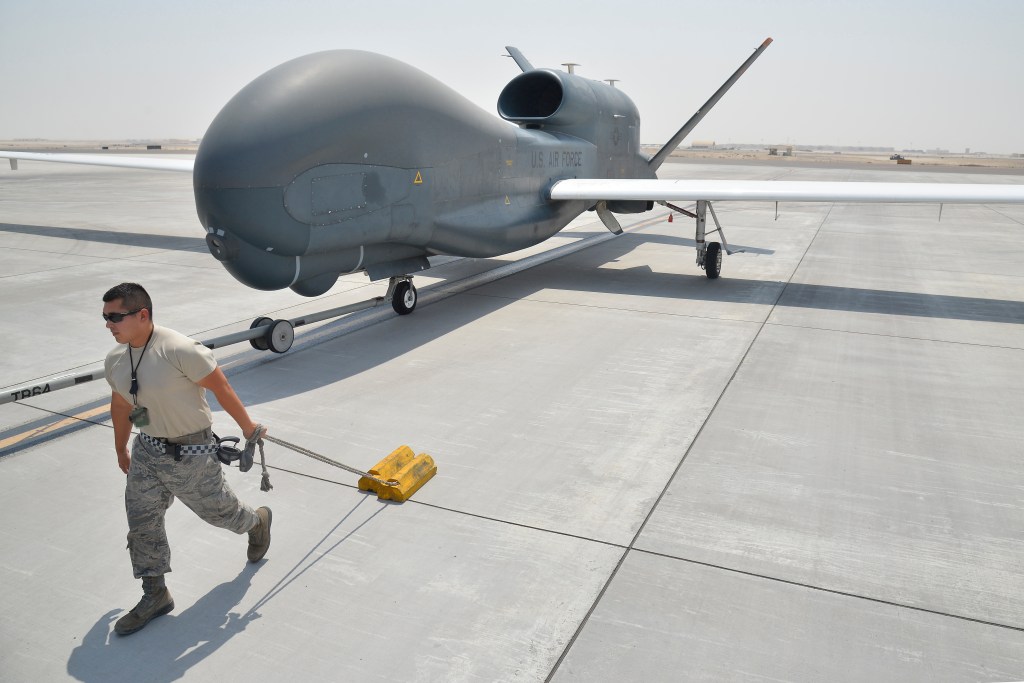
How intel agencies can win over skeptics in Silicon Valley
In light of protest over the Pentagon’s use of AI, Defense and intelligence agencies have to rethink how to sell their mission to Silicon Valley.
-
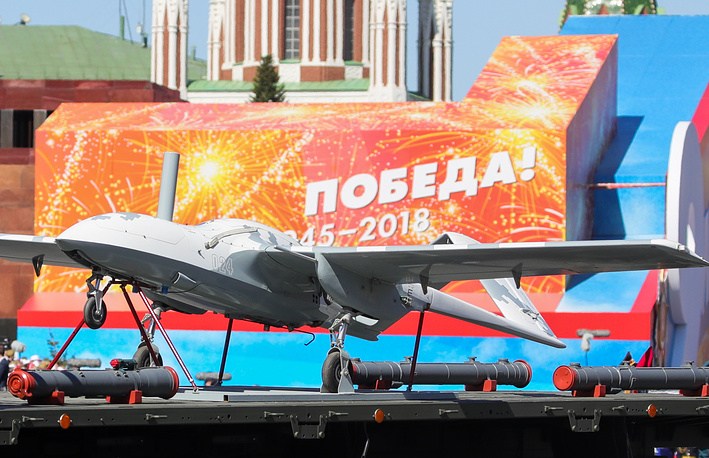
Russia debuts electronic war-fighter drone
The annual military victory parade in Moscow revealed armed variants of surveillance drones that could support Russia’s irregular wars.
-
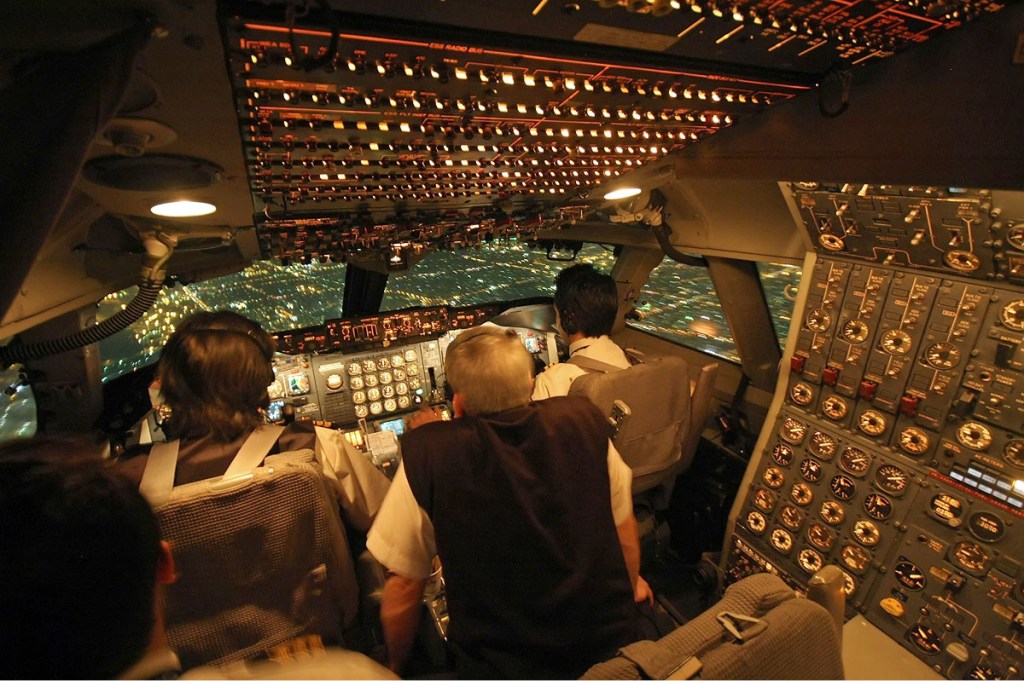
In the future, Iran could 3D-print its way around sanctions
A new RAND study looks at the way additive manufacturing, better known as 3D printing, could create new security threats.
-
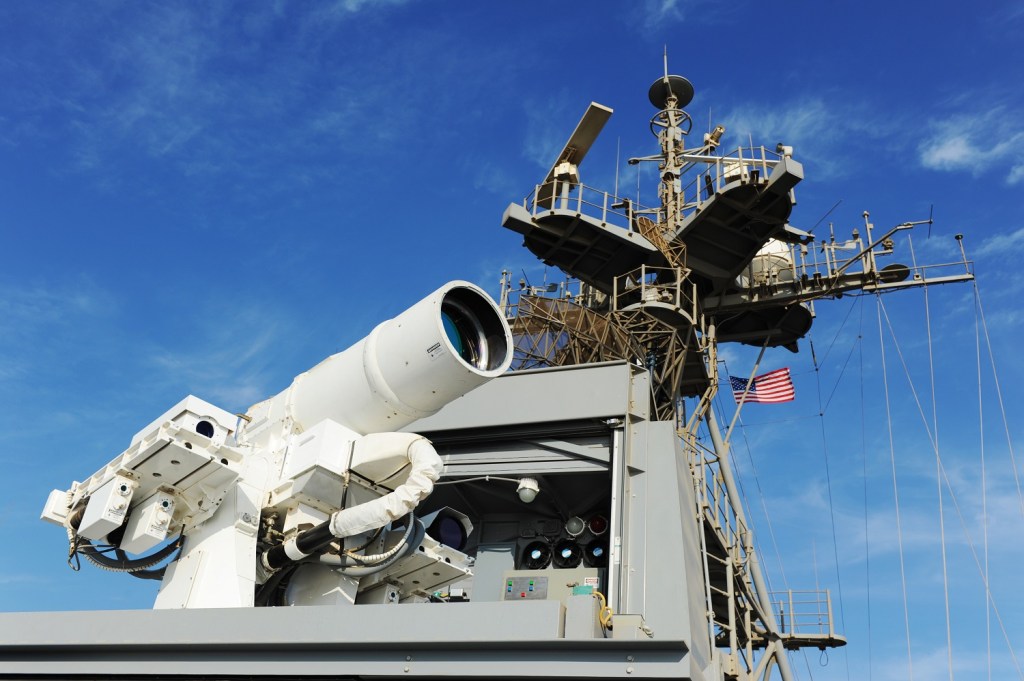
Leonardo invests $5 million in laser division
Leonardo announced an investment of $5 million into Lasertel, its custom laser diode division based in Tucson, Arizona.
-
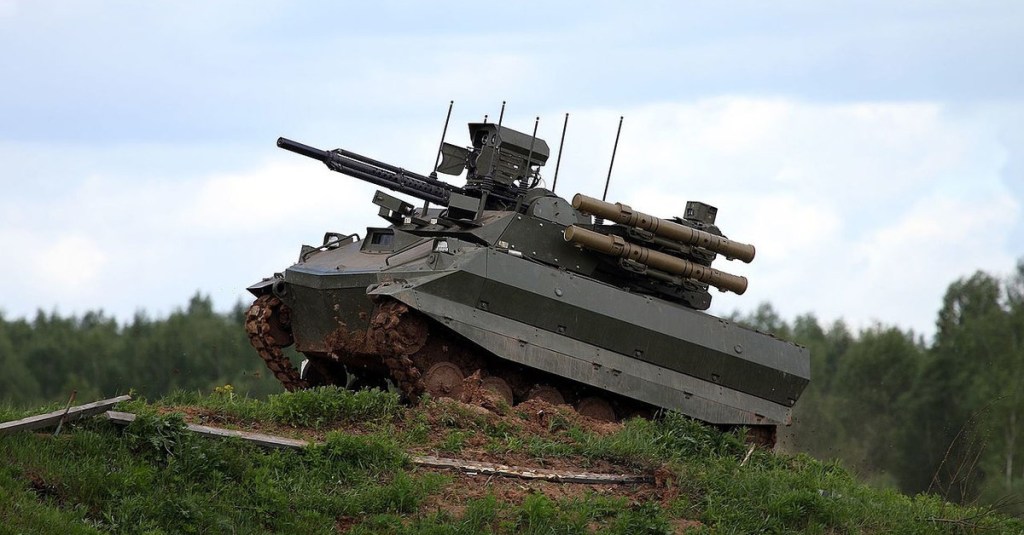
Russia confirms its armed robot tank was in Syria
According to statements published today in Russia’s state-owned RIA Novosti, Deputy Minister of Defense Yuriy Borisov confirmed that the country tested its Uran-9 robots in Syria.
-
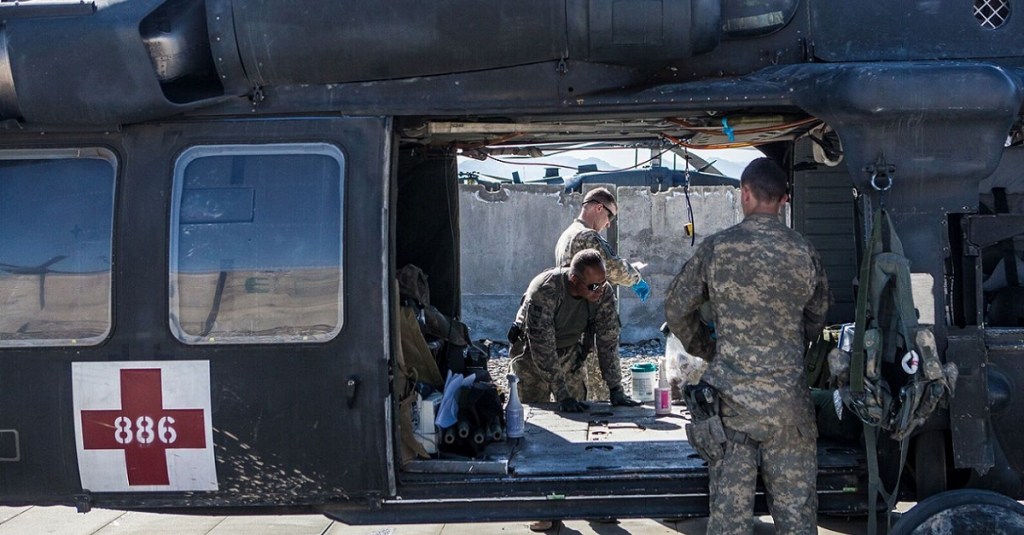
DIUx wants drones that are out for blood
Defense Innovation Unit Experimental, the Pentagon’s stand-up Silicon Valley-focused acquisition house, is looking for a drone that can carry a modest cargo of blood, through the dark of night toward where it’s most needed. Call it “Dronesferatu.”
-
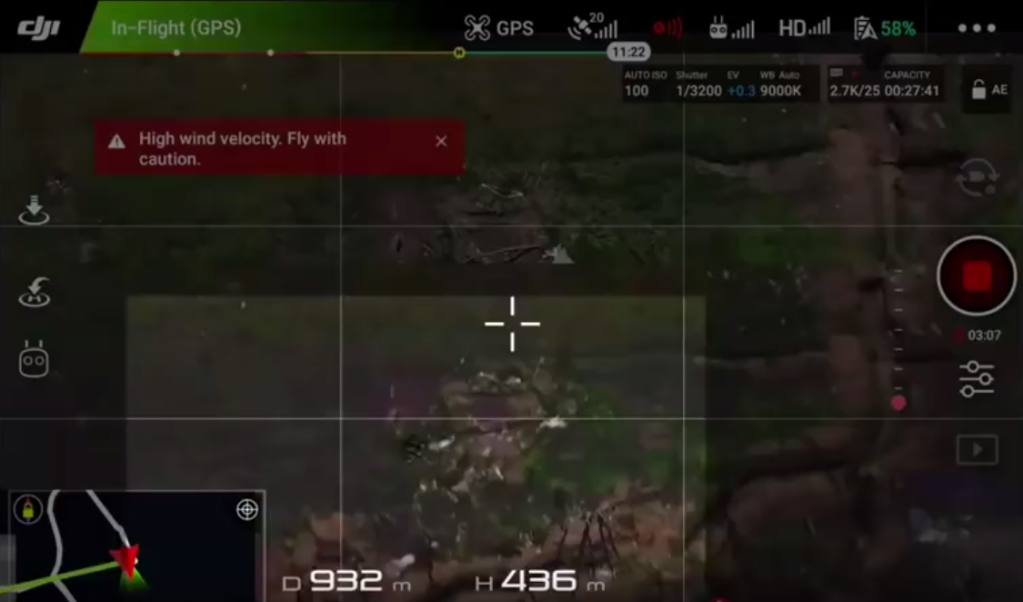
Cry ‘Mavic’ and let slip the drones of irregular war
A recent video of a bombing drone suggested it might be a DJI Mavic model, showing how cheap, easy-to-use quadcopters can change future warfare.
-
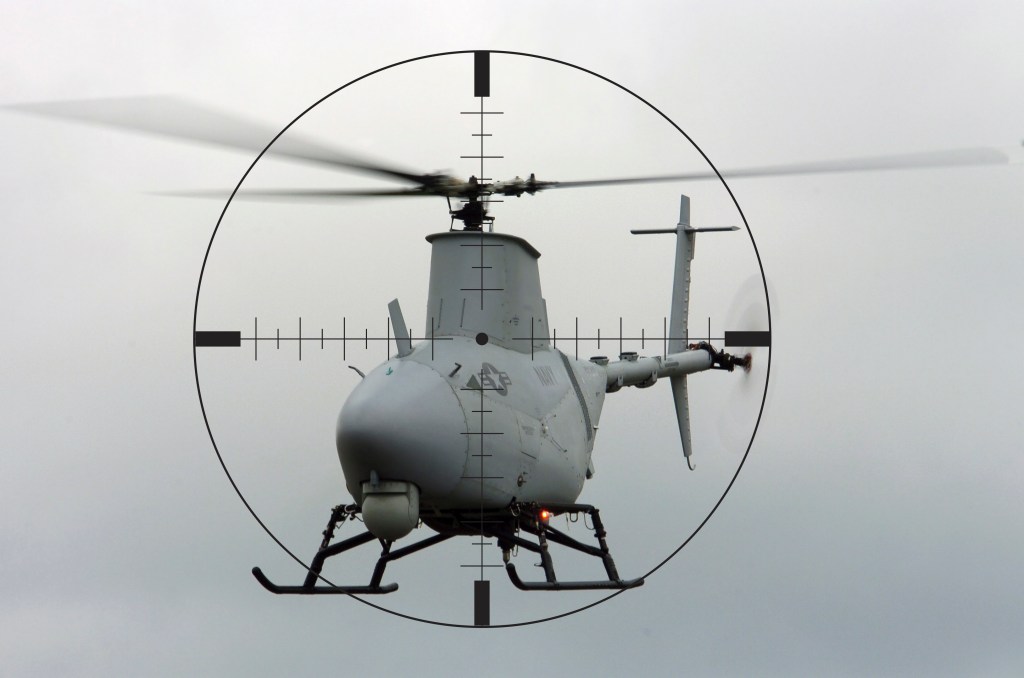
Five questions on autonomous weapons and the future of war
Paul Scharre, a former U.S. Army Ranger who now heads a program at the Center for New American Security, discusses the roles for humans in future wars with autonomous weapons.