-

Should the Pentagon extract, aggregate or refine data?
Harnessing big data for AI in the future means a Pentagon that knows what it wants to collect and has the data scientists to make it useful.
-
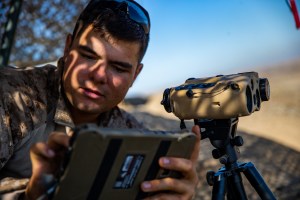
One key to artificial intelligence on the battlefield: trust
Making intelligence available to people in the field is one of the biggest promises of AI, and one of the biggest hurdles.
-
Can this group become 1-800-AI for the Pentagon?
“The JAIC is not just about delivering the products. We’re really trying to work toward becoming the DoD’s AI Center of Excellence,” said Nathaniel D. Bastian, a senior data scientist and AI engineer with the Pentagon’s Joint Artificial Intelligence Center. “We want to be 1-800-AI.”
-
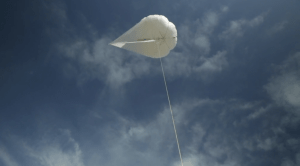
Yes, a balloon/kite might improve battlefield networks
Helikites have carried mobile ad-hoc network relays, expanding the range of connection between human operators and piloted drones, like the Puma.
-

Does the Pentagon have a coherent strategy for AI?
If the Pentagon is going to master AI, it first has to understand all the ways at present it is failing to do so.
-
Tomorrow Wars Volume 1 Issue 13: The Blogs of Ore
In this latest issue of the Tomorrow Wars newsletter, a look at metaphors for data in the Pentagon.
-
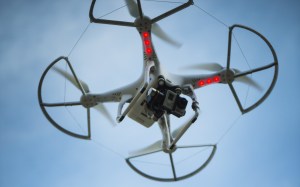
Official Navy memo on DJI drones noted cheap cost, risk
A Navy memo was basis for the Army’s 2017 moratorium on the use of DJI drones.
-
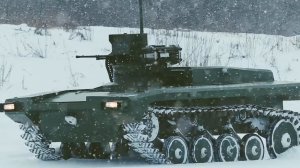
Russia will test swarms for anti-robot combat in 2020
Using multiple platforms, Russia will explore the capabilities of armed swarms.
-
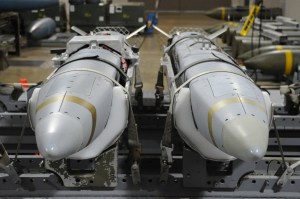
When should the Pentagon update its rules on autonomous weapons?
A prominent group of national security thinkers is questioning if the Pentagon’s policy on developing autonomous weapons needs to be updated to more accurately reflects current technology and the greater role artificial intelligence is expected to play in future conflicts.
-
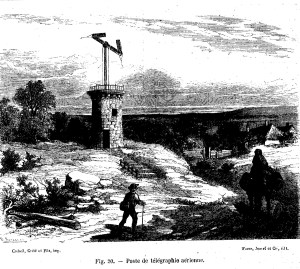
Tomorrow Wars Volume 1 Issue 12: Infinite Vulnerability
There are more lessons for present security from a “cyberattack” in 1834 than you might imagine.
-
Should the Pentagon extract, aggregate or refine data?
Harnessing big data for AI in the future means a Pentagon that knows what it wants to collect and has the data scientists to make it useful.
-
One key to artificial intelligence on the battlefield: trust
Making intelligence available to people in the field is one of the biggest promises of AI, and one of the biggest hurdles.
-
Can this group become 1-800-AI for the Pentagon?
“The JAIC is not just about delivering the products. We’re really trying to work toward becoming the DoD’s AI Center of Excellence,” said Nathaniel D. Bastian, a senior data scientist and AI engineer with the Pentagon’s Joint Artificial Intelligence Center. “We want to be 1-800-AI.”
-
Yes, a balloon/kite might improve battlefield networks
Helikites have carried mobile ad-hoc network relays, expanding the range of connection between human operators and piloted drones, like the Puma.
-
Does the Pentagon have a coherent strategy for AI?
If the Pentagon is going to master AI, it first has to understand all the ways at present it is failing to do so.
-
Tomorrow Wars Volume 1 Issue 13: The Blogs of Ore
In this latest issue of the Tomorrow Wars newsletter, a look at metaphors for data in the Pentagon.
-
Official Navy memo on DJI drones noted cheap cost, risk
A Navy memo was basis for the Army’s 2017 moratorium on the use of DJI drones.
-
Russia will test swarms for anti-robot combat in 2020
Using multiple platforms, Russia will explore the capabilities of armed swarms.
-
When should the Pentagon update its rules on autonomous weapons?
A prominent group of national security thinkers is questioning if the Pentagon’s policy on developing autonomous weapons needs to be updated to more accurately reflects current technology and the greater role artificial intelligence is expected to play in future conflicts.
-
Tomorrow Wars Volume 1 Issue 12: Infinite Vulnerability
There are more lessons for present security from a “cyberattack” in 1834 than you might imagine.
-

Should the Pentagon extract, aggregate or refine data?
Harnessing big data for AI in the future means a Pentagon that knows what it wants to collect and has the data scientists to make it useful.
-
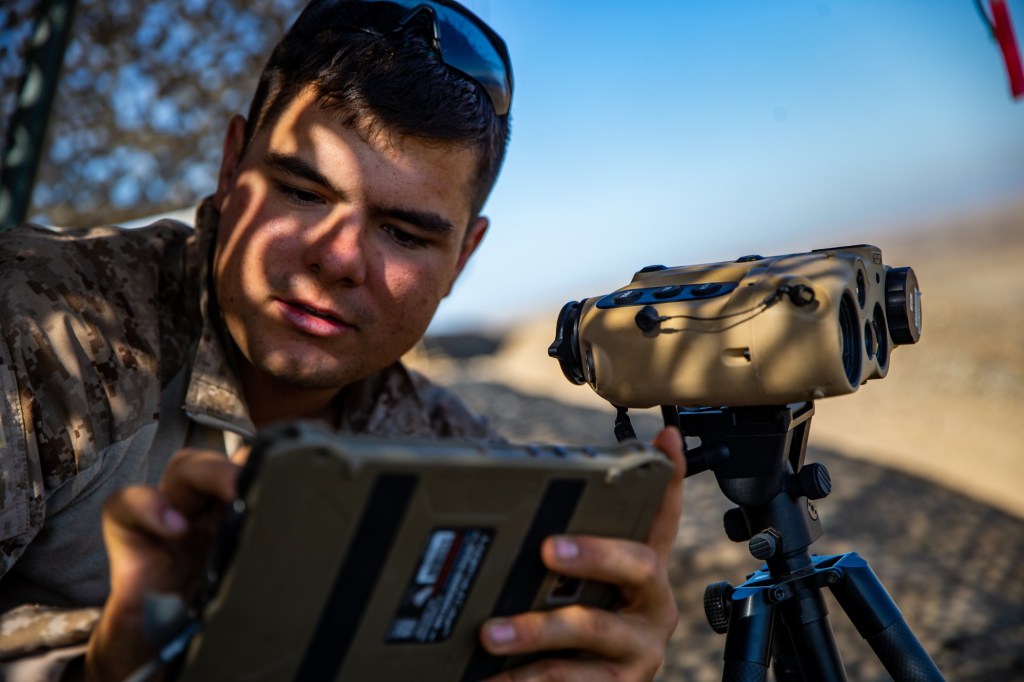
One key to artificial intelligence on the battlefield: trust
Making intelligence available to people in the field is one of the biggest promises of AI, and one of the biggest hurdles.
-
Can this group become 1-800-AI for the Pentagon?
“The JAIC is not just about delivering the products. We’re really trying to work toward becoming the DoD’s AI Center of Excellence,” said Nathaniel D. Bastian, a senior data scientist and AI engineer with the Pentagon’s Joint Artificial Intelligence Center. “We want to be 1-800-AI.”
-
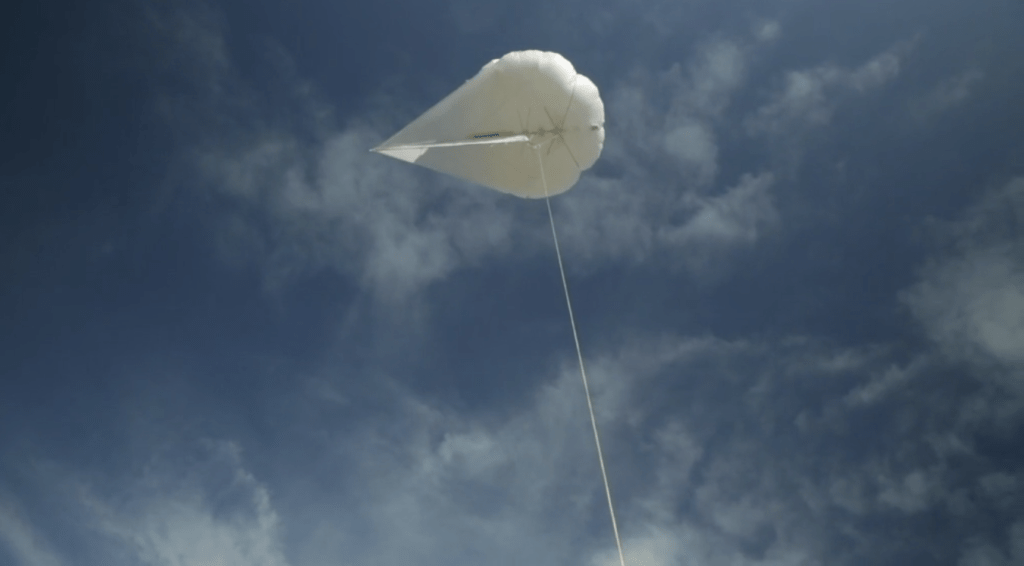
Yes, a balloon/kite might improve battlefield networks
Helikites have carried mobile ad-hoc network relays, expanding the range of connection between human operators and piloted drones, like the Puma.
-

Does the Pentagon have a coherent strategy for AI?
If the Pentagon is going to master AI, it first has to understand all the ways at present it is failing to do so.
-
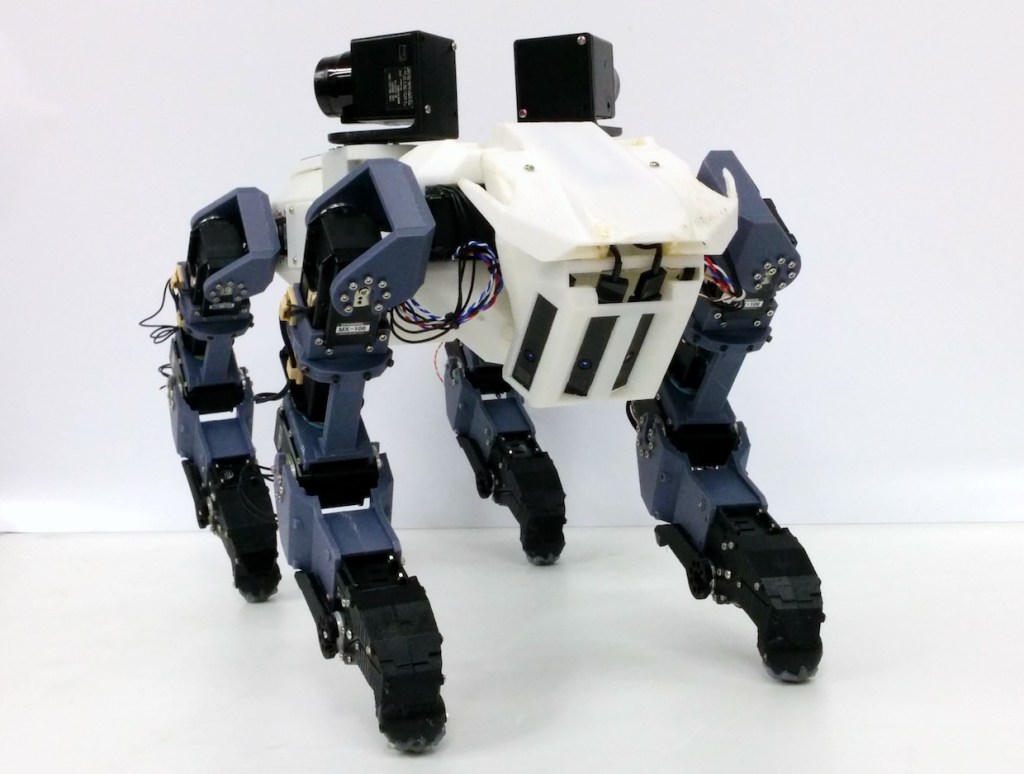
Tomorrow Wars Volume 1 Issue 13: The Blogs of Ore
In this latest issue of the Tomorrow Wars newsletter, a look at metaphors for data in the Pentagon.
-
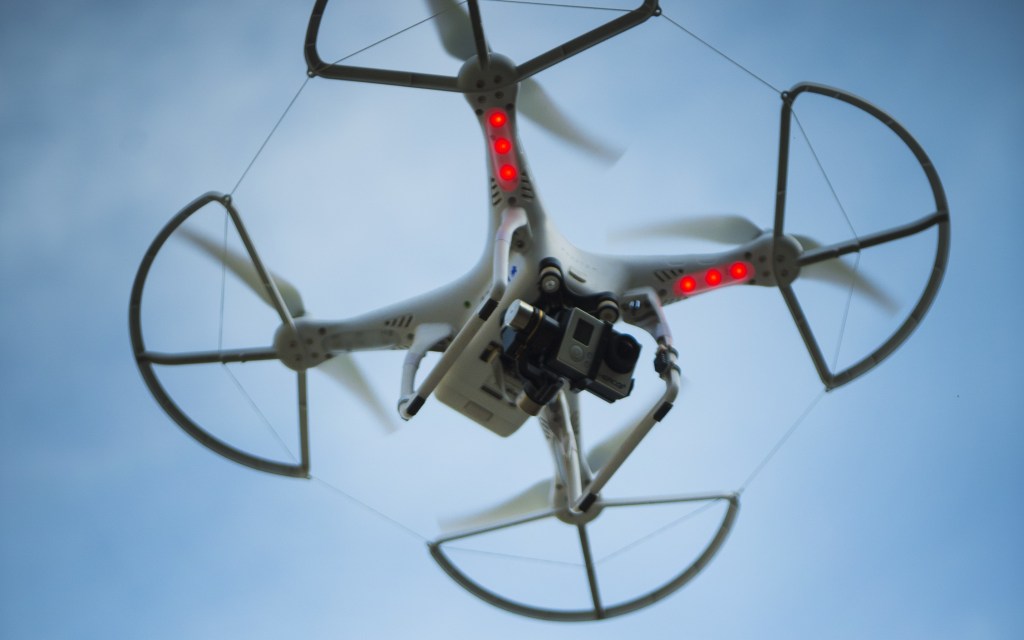
Official Navy memo on DJI drones noted cheap cost, risk
A Navy memo was basis for the Army’s 2017 moratorium on the use of DJI drones.
-
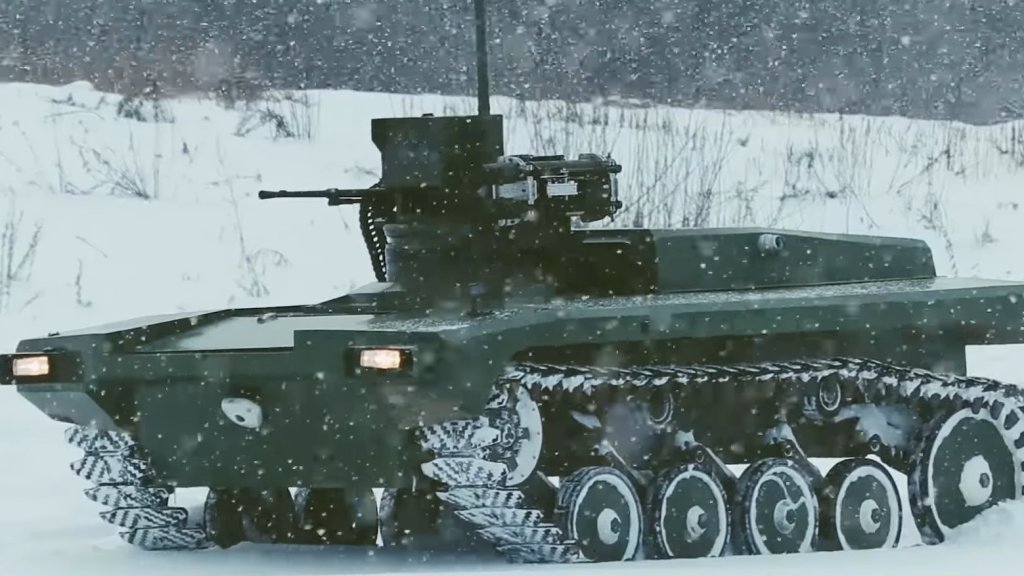
Russia will test swarms for anti-robot combat in 2020
Using multiple platforms, Russia will explore the capabilities of armed swarms.
-
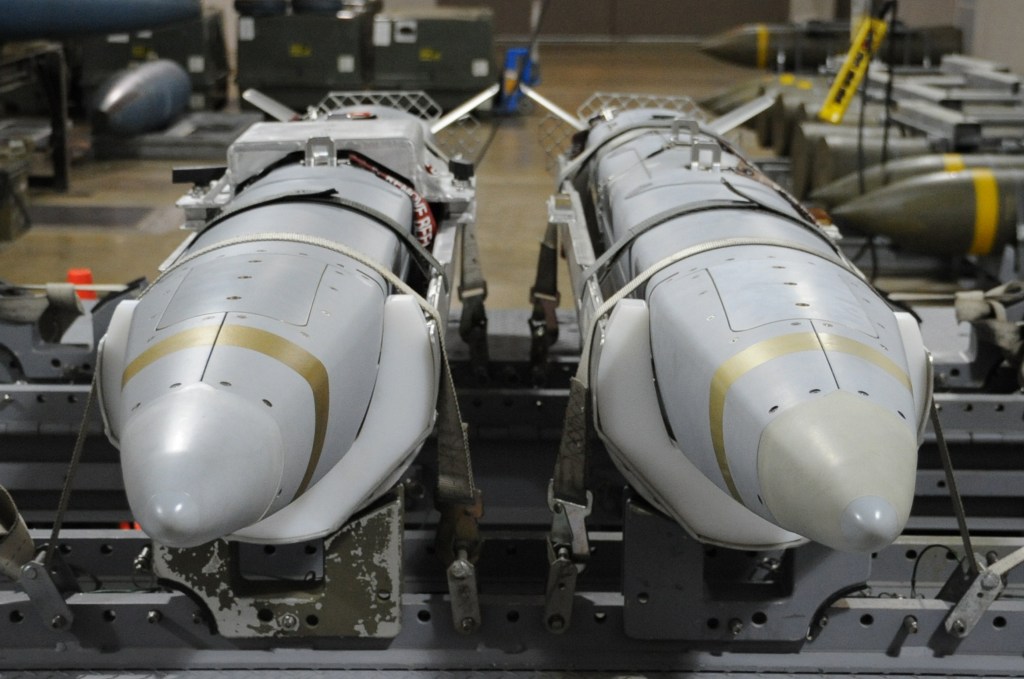
When should the Pentagon update its rules on autonomous weapons?
A prominent group of national security thinkers is questioning if the Pentagon’s policy on developing autonomous weapons needs to be updated to more accurately reflects current technology and the greater role artificial intelligence is expected to play in future conflicts.
-
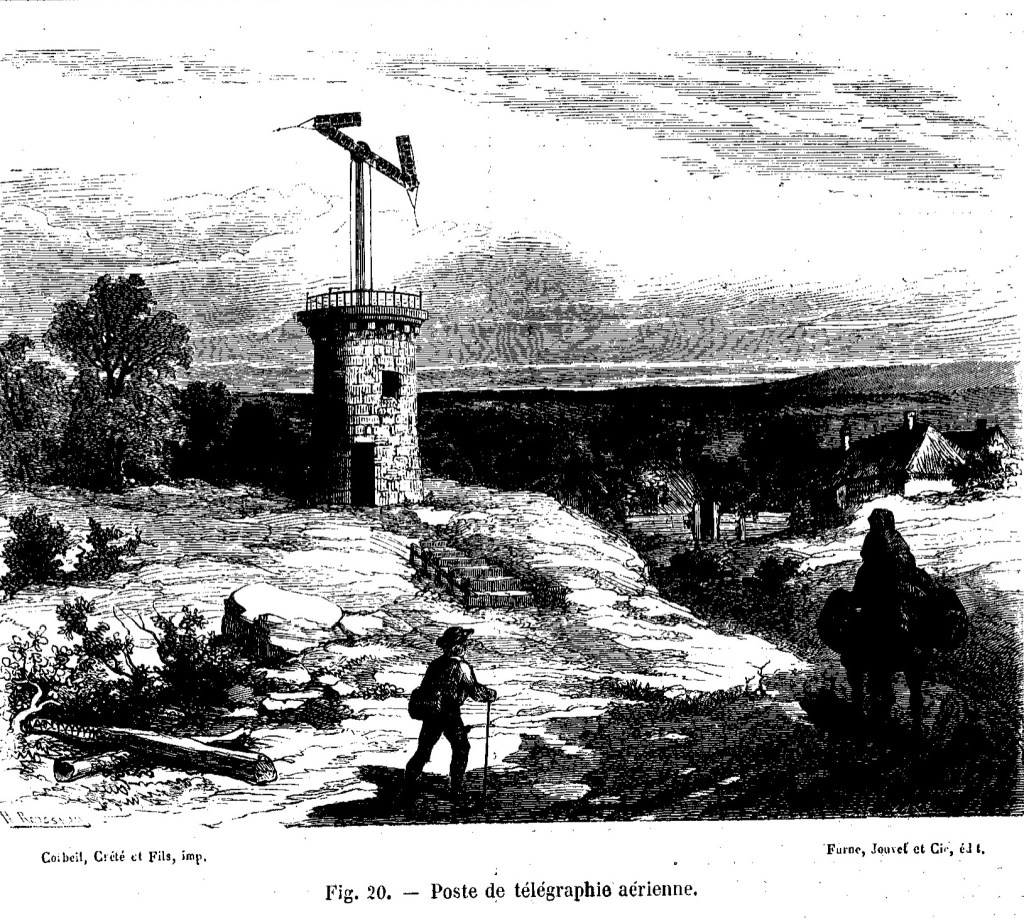
Tomorrow Wars Volume 1 Issue 12: Infinite Vulnerability
There are more lessons for present security from a “cyberattack” in 1834 than you might imagine.