-

House lawmakers propose moving cyber defense from CYBERCOM to CYBERCOM
Recently released language for the House Armed Services annual defense policy bill seeks to transition global defense of the DoD’s network from the current joint headquarters to the commander of Cyber Command.
-

A new council could advance artificial intelligence for the military
The 2019 National Defense Authorization Act defines AI and describes how the Pentagon would task a council to research machine learning.
-

House lawmakers move to stop Air Force from canceling JSTARS recap
If the Air Force wants its battle management system of systems, it may have to move ahead with JSTARS recap.
-

Thornberry proposes eliminating DISA
DISA again emerges as a target in the hunt for savings and efficiencies in the Department of Defense.
-

The sneaky ways China and Russia could threaten US satellites
Kinetic attacks in space are still possible, but nations are looking more towards electronic warfare and cyber attacks, a report has concluded.
-

The Pentagon is asking for 3 times as many drones for 2019
A new report from the Center for the Study of the Drone at Bard University found the Department of Defense is asking for three times as many drones for 2019 as it did in 2018.
-

The satellite surprise inside the spending bill
The new spending plan Congressional leaders unveiled Wednesday unexpectedly includes $600 million for the Air Force to extend its wideband satellite communications program by two satellites.
-

Cyber Command nominee: attacks must come with a cost
Lt. Gen. Paul Nakasone, in written testimony before the Senate Armed Services Committee, outlines the progress both the U.S. and adversaries have made in cyberspace.
-

Cyber Command granted new, expanded authorities
With the elevation of Cyber Command comes additional authorities for its commander, such as the ability to synchronize forces globally.
-

New budget request includes at least $1.4 billion more for C4ISR systems
The Department of Defense would spend an additional $1 billion on C4ISR systems in fiscal 2019, according to the president’s budget request released Feb. 12
-
House lawmakers propose moving cyber defense from CYBERCOM to CYBERCOM
Recently released language for the House Armed Services annual defense policy bill seeks to transition global defense of the DoD’s network from the current joint headquarters to the commander of Cyber Command.
-
A new council could advance artificial intelligence for the military
The 2019 National Defense Authorization Act defines AI and describes how the Pentagon would task a council to research machine learning.
-
House lawmakers move to stop Air Force from canceling JSTARS recap
If the Air Force wants its battle management system of systems, it may have to move ahead with JSTARS recap.
-
Thornberry proposes eliminating DISA
DISA again emerges as a target in the hunt for savings and efficiencies in the Department of Defense.
-
The sneaky ways China and Russia could threaten US satellites
Kinetic attacks in space are still possible, but nations are looking more towards electronic warfare and cyber attacks, a report has concluded.
-
The Pentagon is asking for 3 times as many drones for 2019
A new report from the Center for the Study of the Drone at Bard University found the Department of Defense is asking for three times as many drones for 2019 as it did in 2018.
-
The satellite surprise inside the spending bill
The new spending plan Congressional leaders unveiled Wednesday unexpectedly includes $600 million for the Air Force to extend its wideband satellite communications program by two satellites.
-
Cyber Command nominee: attacks must come with a cost
Lt. Gen. Paul Nakasone, in written testimony before the Senate Armed Services Committee, outlines the progress both the U.S. and adversaries have made in cyberspace.
-
Cyber Command granted new, expanded authorities
With the elevation of Cyber Command comes additional authorities for its commander, such as the ability to synchronize forces globally.
-
New budget request includes at least $1.4 billion more for C4ISR systems
The Department of Defense would spend an additional $1 billion on C4ISR systems in fiscal 2019, according to the president’s budget request released Feb. 12
-

House lawmakers propose moving cyber defense from CYBERCOM to CYBERCOM
Recently released language for the House Armed Services annual defense policy bill seeks to transition global defense of the DoD’s network from the current joint headquarters to the commander of Cyber Command.
-

A new council could advance artificial intelligence for the military
The 2019 National Defense Authorization Act defines AI and describes how the Pentagon would task a council to research machine learning.
-

House lawmakers move to stop Air Force from canceling JSTARS recap
If the Air Force wants its battle management system of systems, it may have to move ahead with JSTARS recap.
-

Thornberry proposes eliminating DISA
DISA again emerges as a target in the hunt for savings and efficiencies in the Department of Defense.
-

The sneaky ways China and Russia could threaten US satellites
Kinetic attacks in space are still possible, but nations are looking more towards electronic warfare and cyber attacks, a report has concluded.
-

The Pentagon is asking for 3 times as many drones for 2019
A new report from the Center for the Study of the Drone at Bard University found the Department of Defense is asking for three times as many drones for 2019 as it did in 2018.
-
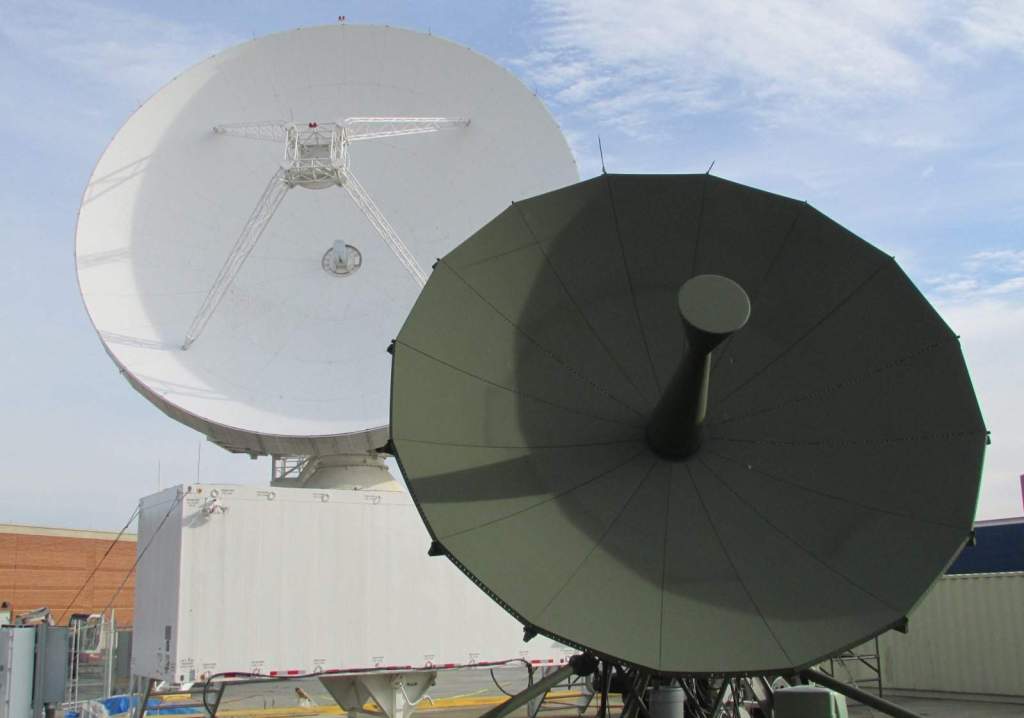
The satellite surprise inside the spending bill
The new spending plan Congressional leaders unveiled Wednesday unexpectedly includes $600 million for the Air Force to extend its wideband satellite communications program by two satellites.
-

Cyber Command nominee: attacks must come with a cost
Lt. Gen. Paul Nakasone, in written testimony before the Senate Armed Services Committee, outlines the progress both the U.S. and adversaries have made in cyberspace.
-

Cyber Command granted new, expanded authorities
With the elevation of Cyber Command comes additional authorities for its commander, such as the ability to synchronize forces globally.
-

New budget request includes at least $1.4 billion more for C4ISR systems
The Department of Defense would spend an additional $1 billion on C4ISR systems in fiscal 2019, according to the president’s budget request released Feb. 12