-
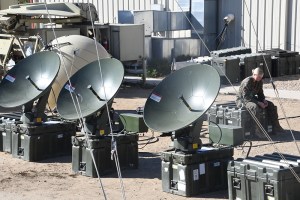
A new target for hackers? Satellites
Government and commercial satellite operators are increasingly the target of hackers, who are looking for inexpensive, but effective ways to limit space capabilities, according to a new report.
-

In the move to multi-domain operations, what gets lost?
As the services debate the future of so-called multi-domain operations, some fear current service-specifics could be at risk in favor of a more joint concept.
-
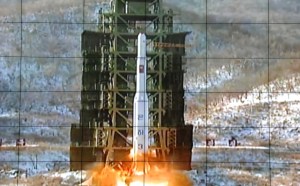
The sneaky ways China and Russia could threaten US satellites
Kinetic attacks in space are still possible, but nations are looking more towards electronic warfare and cyber attacks, a report has concluded.
-

The cost of new GPS programs jumped $930 million last year
DoD’s annual Selected Acquisition Report updates program cost estimates.
-
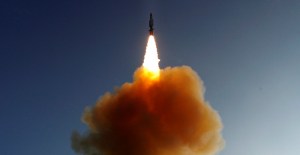
Why didn’t any nation fire at the falling Chinese space station?
The Tiangong-1 Chinese space station carried the same hydrazine propellant used in a faulty satellite in 2008 that the U.S. cited as the cause to shoot it down.
-
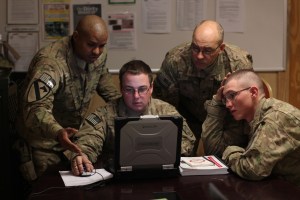
The next step toward digital command and control
As it moves toward digital command and control, DISA is looking to industry best practices such as agile development and DevOps to get better software solutions into play more quickly.
-

Why the national security space community is studying the Chinese space station that just crashed into the Pacific
The national security space community is interested in the Chinese space station that entered Earth’s atmosphere Sunday.
-

New Air Force leader to bring space war-fighting focus to the Pentagon
Next week, Maj. Gen. David Thompson will take up the newly created position of vice commander of Air Force Space Command and pin on his third star.
-

Army leader: ‘We’re going to be contested in every single domain’
Gen. James McConville, the Army’s vice chief of staff, said the service will likely face conflicts in the cyberworld and in space.
-
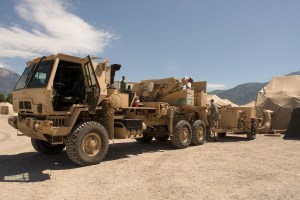
When rapid deployments have long-term costs
Army leaders have learned they need to take think harder about the maintenance and sustainment of the equipment they ship out for urgent needs.
-
A new target for hackers? Satellites
Government and commercial satellite operators are increasingly the target of hackers, who are looking for inexpensive, but effective ways to limit space capabilities, according to a new report.
-
In the move to multi-domain operations, what gets lost?
As the services debate the future of so-called multi-domain operations, some fear current service-specifics could be at risk in favor of a more joint concept.
-
The sneaky ways China and Russia could threaten US satellites
Kinetic attacks in space are still possible, but nations are looking more towards electronic warfare and cyber attacks, a report has concluded.
-
The cost of new GPS programs jumped $930 million last year
DoD’s annual Selected Acquisition Report updates program cost estimates.
-
Why didn’t any nation fire at the falling Chinese space station?
The Tiangong-1 Chinese space station carried the same hydrazine propellant used in a faulty satellite in 2008 that the U.S. cited as the cause to shoot it down.
-
The next step toward digital command and control
As it moves toward digital command and control, DISA is looking to industry best practices such as agile development and DevOps to get better software solutions into play more quickly.
-
Why the national security space community is studying the Chinese space station that just crashed into the Pacific
The national security space community is interested in the Chinese space station that entered Earth’s atmosphere Sunday.
-
New Air Force leader to bring space war-fighting focus to the Pentagon
Next week, Maj. Gen. David Thompson will take up the newly created position of vice commander of Air Force Space Command and pin on his third star.
-
Army leader: ‘We’re going to be contested in every single domain’
Gen. James McConville, the Army’s vice chief of staff, said the service will likely face conflicts in the cyberworld and in space.
-
When rapid deployments have long-term costs
Army leaders have learned they need to take think harder about the maintenance and sustainment of the equipment they ship out for urgent needs.
-
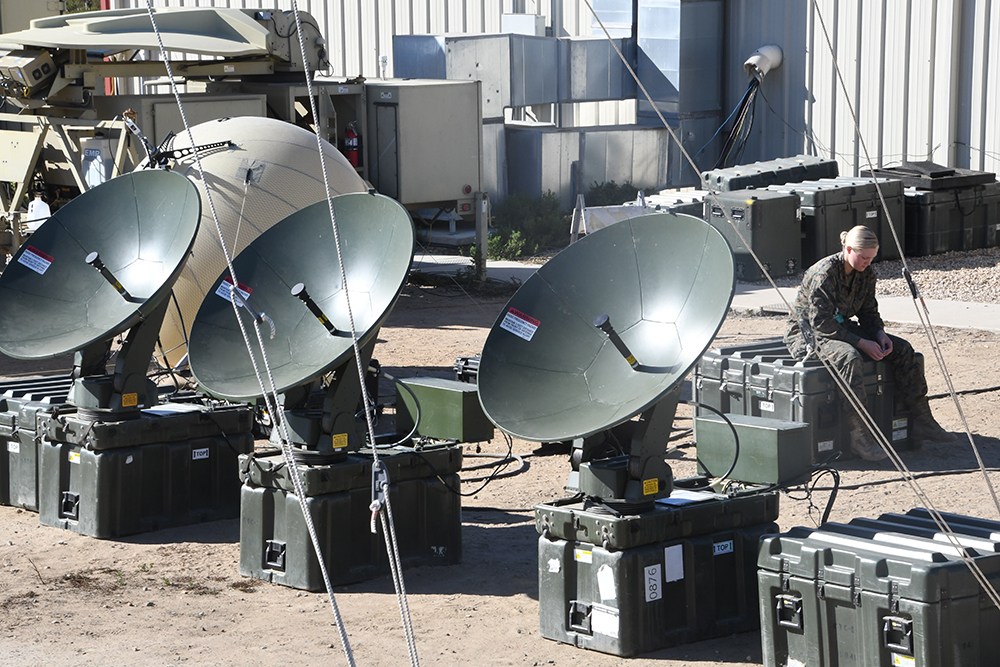
A new target for hackers? Satellites
Government and commercial satellite operators are increasingly the target of hackers, who are looking for inexpensive, but effective ways to limit space capabilities, according to a new report.
-

In the move to multi-domain operations, what gets lost?
As the services debate the future of so-called multi-domain operations, some fear current service-specifics could be at risk in favor of a more joint concept.
-
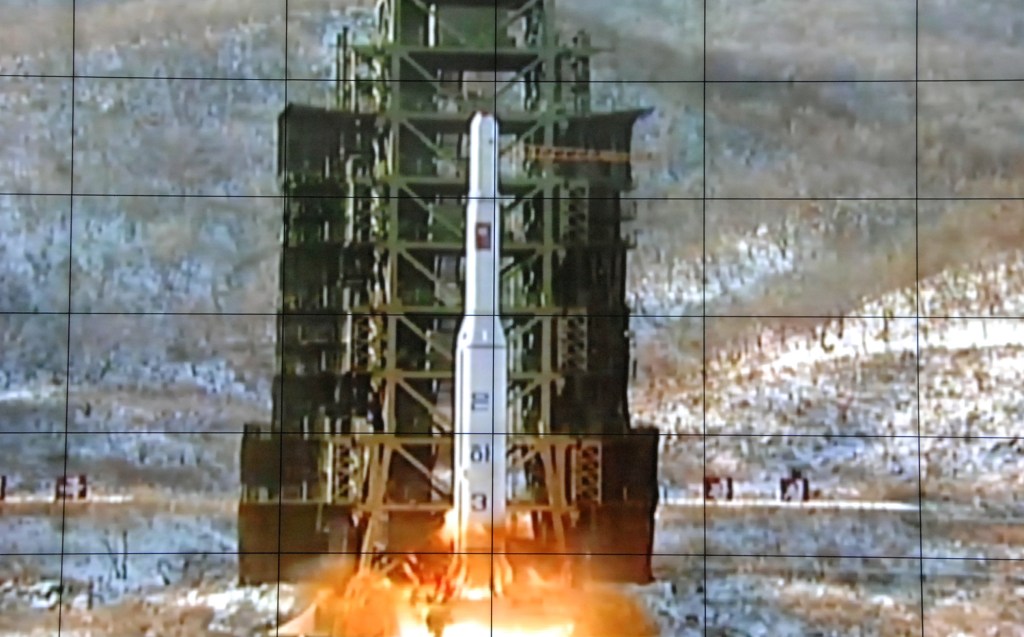
The sneaky ways China and Russia could threaten US satellites
Kinetic attacks in space are still possible, but nations are looking more towards electronic warfare and cyber attacks, a report has concluded.
-

The cost of new GPS programs jumped $930 million last year
DoD’s annual Selected Acquisition Report updates program cost estimates.
-

Why didn’t any nation fire at the falling Chinese space station?
The Tiangong-1 Chinese space station carried the same hydrazine propellant used in a faulty satellite in 2008 that the U.S. cited as the cause to shoot it down.
-
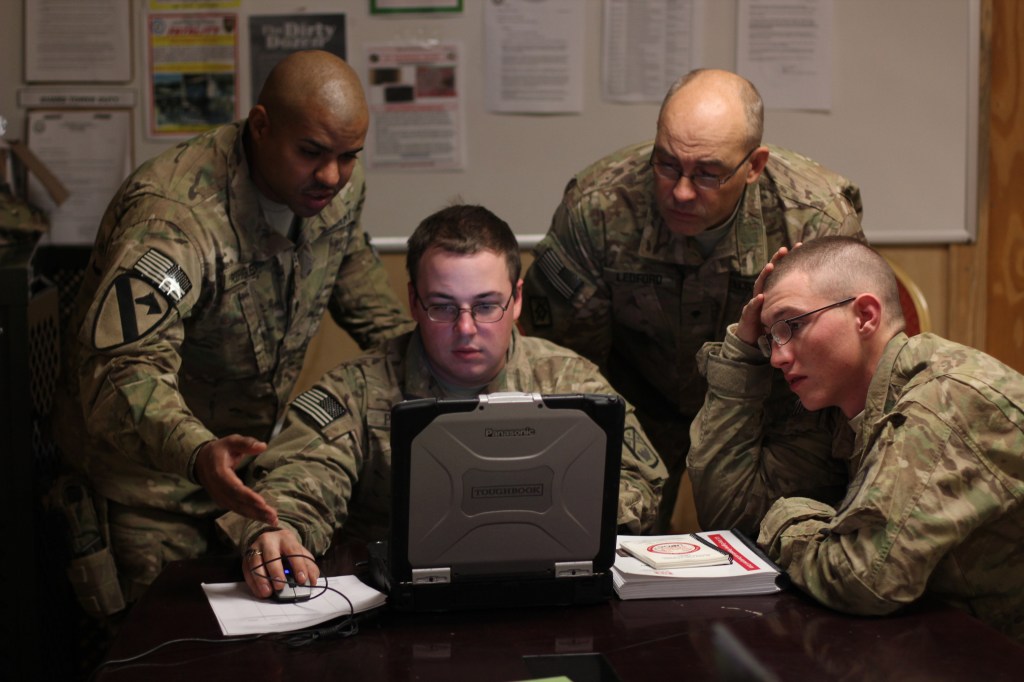
The next step toward digital command and control
As it moves toward digital command and control, DISA is looking to industry best practices such as agile development and DevOps to get better software solutions into play more quickly.
-

Why the national security space community is studying the Chinese space station that just crashed into the Pacific
The national security space community is interested in the Chinese space station that entered Earth’s atmosphere Sunday.
-

New Air Force leader to bring space war-fighting focus to the Pentagon
Next week, Maj. Gen. David Thompson will take up the newly created position of vice commander of Air Force Space Command and pin on his third star.
-

Army leader: ‘We’re going to be contested in every single domain’
Gen. James McConville, the Army’s vice chief of staff, said the service will likely face conflicts in the cyberworld and in space.
-
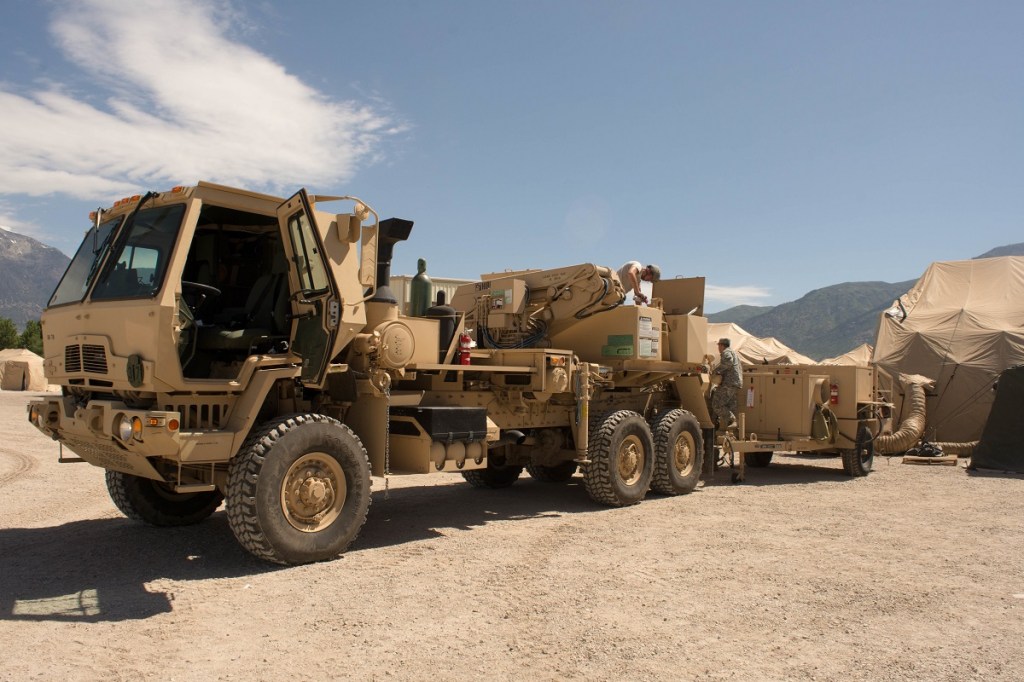
When rapid deployments have long-term costs
Army leaders have learned they need to take think harder about the maintenance and sustainment of the equipment they ship out for urgent needs.