-
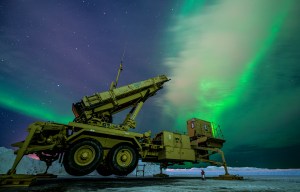
US military must capitalize on civilian high-speed networks in Arctic
As Alaska looks to expand, harden and diversify its telecommunications infrastructure, DoD may find a path towards burden sharing, the author says.
-

Do these computers sold at Navy Exchanges pose a cyber threat?
Lawmakers say the exchange shouldn’t sell the computers to service members or incentivize “purchases with tax-free, discounted prices.”
-

Air Force’s JSTARS flies last intel mission after 3 decades in service
The jets have amassed more than 141,000 hours in combat since Operation Desert Storm in 1991.
-

National Security Agency to create an artificial intelligence center
China has in recent months stepped up cyber operations focused on U.S. and allied institutions that may include pre-positioning malware.
-

Lockheed wins $1.1B contract to design Navy’s Integrated Combat System
The Navy is moving to a single combat system for all surface ships, which would allow for faster and easier upgrades.
-

US government surveillance tool should face limits, privacy panel says
Many Democratic and Republican lawmakers say they won’t vote to renew Section 702 when it expires at the end of the year without major changes.
-

How automated tagging helps mission teams securely share information
Data-centric security safeguards information regardless of where it’s located or who it’s shared with, the author says.
-

In the pipeline: The impact of TSA cybersecurity directives
Continuous monitoring provides real-time visibility into anomalous activities, unauthorized access attempts and potential threats, the author argues.
-

Cybersecurity and Infrastructure Security Agency curbs telework
Remote workers outside of the national capital region are not affected by the decision.
-
Cyber attacks reveal uncomfortable truths about US defenses
It should be recognized that cybersecurity systems can be just as flawed as the systems they protect, the author says.
-
US military must capitalize on civilian high-speed networks in Arctic
As Alaska looks to expand, harden and diversify its telecommunications infrastructure, DoD may find a path towards burden sharing, the author says.
-
Do these computers sold at Navy Exchanges pose a cyber threat?
Lawmakers say the exchange shouldn’t sell the computers to service members or incentivize “purchases with tax-free, discounted prices.”
-
Air Force’s JSTARS flies last intel mission after 3 decades in service
The jets have amassed more than 141,000 hours in combat since Operation Desert Storm in 1991.
-
National Security Agency to create an artificial intelligence center
China has in recent months stepped up cyber operations focused on U.S. and allied institutions that may include pre-positioning malware.
-
Lockheed wins $1.1B contract to design Navy’s Integrated Combat System
The Navy is moving to a single combat system for all surface ships, which would allow for faster and easier upgrades.
-
US government surveillance tool should face limits, privacy panel says
Many Democratic and Republican lawmakers say they won’t vote to renew Section 702 when it expires at the end of the year without major changes.
-
How automated tagging helps mission teams securely share information
Data-centric security safeguards information regardless of where it’s located or who it’s shared with, the author says.
-
In the pipeline: The impact of TSA cybersecurity directives
Continuous monitoring provides real-time visibility into anomalous activities, unauthorized access attempts and potential threats, the author argues.
-
Cybersecurity and Infrastructure Security Agency curbs telework
Remote workers outside of the national capital region are not affected by the decision.
-
Cyber attacks reveal uncomfortable truths about US defenses
It should be recognized that cybersecurity systems can be just as flawed as the systems they protect, the author says.
-

US military must capitalize on civilian high-speed networks in Arctic
As Alaska looks to expand, harden and diversify its telecommunications infrastructure, DoD may find a path towards burden sharing, the author says.
-

Do these computers sold at Navy Exchanges pose a cyber threat?
Lawmakers say the exchange shouldn’t sell the computers to service members or incentivize “purchases with tax-free, discounted prices.”
-
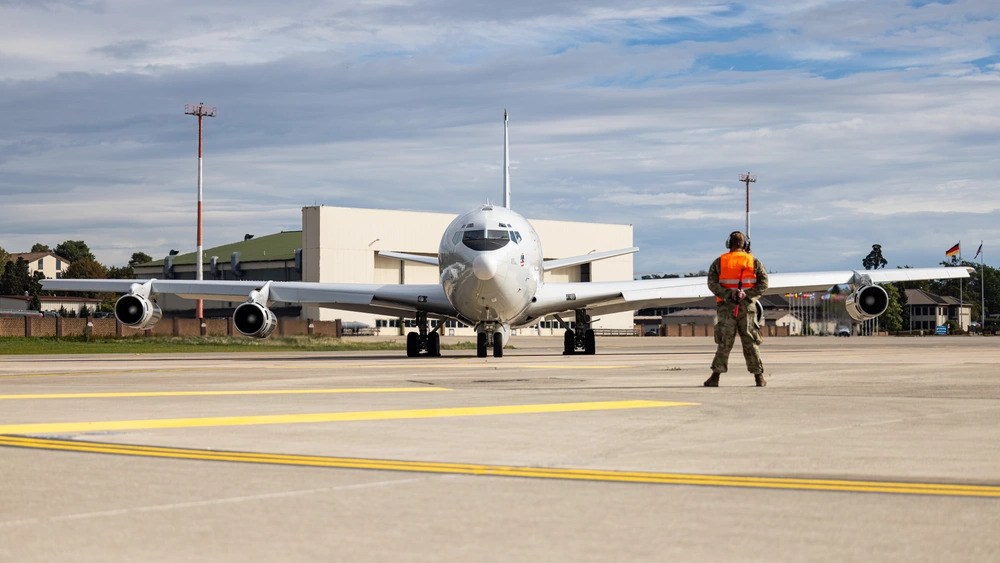
Air Force’s JSTARS flies last intel mission after 3 decades in service
The jets have amassed more than 141,000 hours in combat since Operation Desert Storm in 1991.
-

National Security Agency to create an artificial intelligence center
China has in recent months stepped up cyber operations focused on U.S. and allied institutions that may include pre-positioning malware.
-

Lockheed wins $1.1B contract to design Navy’s Integrated Combat System
The Navy is moving to a single combat system for all surface ships, which would allow for faster and easier upgrades.
-

US government surveillance tool should face limits, privacy panel says
Many Democratic and Republican lawmakers say they won’t vote to renew Section 702 when it expires at the end of the year without major changes.
-

How automated tagging helps mission teams securely share information
Data-centric security safeguards information regardless of where it’s located or who it’s shared with, the author says.
-

In the pipeline: The impact of TSA cybersecurity directives
Continuous monitoring provides real-time visibility into anomalous activities, unauthorized access attempts and potential threats, the author argues.
-

Cybersecurity and Infrastructure Security Agency curbs telework
Remote workers outside of the national capital region are not affected by the decision.
-
Cyber attacks reveal uncomfortable truths about US defenses
It should be recognized that cybersecurity systems can be just as flawed as the systems they protect, the author says.