-
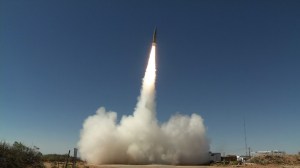
The Army is working to see across thousands of miles
The Army’s ISR Task Force is helping the service see thousands of miles through a layered approach: the terrestrial layer, aerial layer and space layer.
-
Access granted: The importance of monitoring lateral traffic in networks
If you hear the boom, it is often too late.
-

US Army-funded research project makes inroads on scaling quantum processors
A new process for developing quantum computer chips has implications for scaling processors in the future.
-
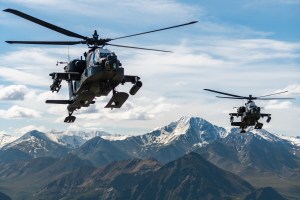
US Army seeks new airborne tech to detect, defeat radar systems
The Army is asking for information on sensors and technologies that can help detect and defeat enemy radars and air defense systems.
-

DARPA wants stronger security for Internet of Things devices
The Pentagon research arm wants quantum-resistant cryptography.
-
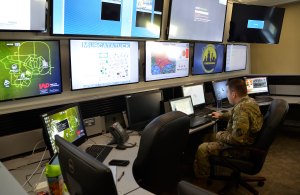
US Cyber Command is using unclassified networks to fight election interference
U.S. Cyber Command is using unclassified networks and publicly available communication platforms as it works to prevent foreign interference in the next presidential election, a CYBERCOM official has revealed.
-
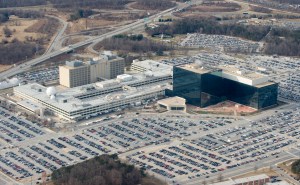
How has the pandemic impacted work at the NSA?
The NSA has seen increased efficiency as its work has become more virtual due to the ongoing pandemic.
-

Pentagon wrestles with adopting zero-trust security approach
Work from home caused by the coronavirus pandemic has accelerated conversations about zero-trust, several IT officials have said recently.
-
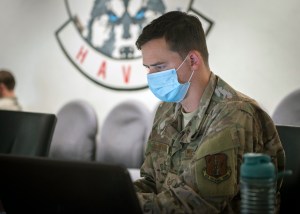
New England guardsmen test their skills in Cyber Yankee 2020
Cyber Yankee, a regional National Guard cyber exercise, concluded its sixth year at the end of July.
-
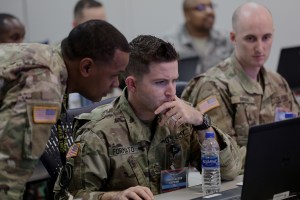
The US is a ‘cheap date’ in cyberspace. A commission has ideas to change that.
A top member of the Cyber Solarium Commission outlined a two-pronged approach for better cyber deterrence.
-
The Army is working to see across thousands of miles
The Army’s ISR Task Force is helping the service see thousands of miles through a layered approach: the terrestrial layer, aerial layer and space layer.
-
Access granted: The importance of monitoring lateral traffic in networks
If you hear the boom, it is often too late.
-
US Army-funded research project makes inroads on scaling quantum processors
A new process for developing quantum computer chips has implications for scaling processors in the future.
-
US Army seeks new airborne tech to detect, defeat radar systems
The Army is asking for information on sensors and technologies that can help detect and defeat enemy radars and air defense systems.
-
DARPA wants stronger security for Internet of Things devices
The Pentagon research arm wants quantum-resistant cryptography.
-
US Cyber Command is using unclassified networks to fight election interference
U.S. Cyber Command is using unclassified networks and publicly available communication platforms as it works to prevent foreign interference in the next presidential election, a CYBERCOM official has revealed.
-
How has the pandemic impacted work at the NSA?
The NSA has seen increased efficiency as its work has become more virtual due to the ongoing pandemic.
-
Pentagon wrestles with adopting zero-trust security approach
Work from home caused by the coronavirus pandemic has accelerated conversations about zero-trust, several IT officials have said recently.
-
New England guardsmen test their skills in Cyber Yankee 2020
Cyber Yankee, a regional National Guard cyber exercise, concluded its sixth year at the end of July.
-
The US is a ‘cheap date’ in cyberspace. A commission has ideas to change that.
A top member of the Cyber Solarium Commission outlined a two-pronged approach for better cyber deterrence.
-
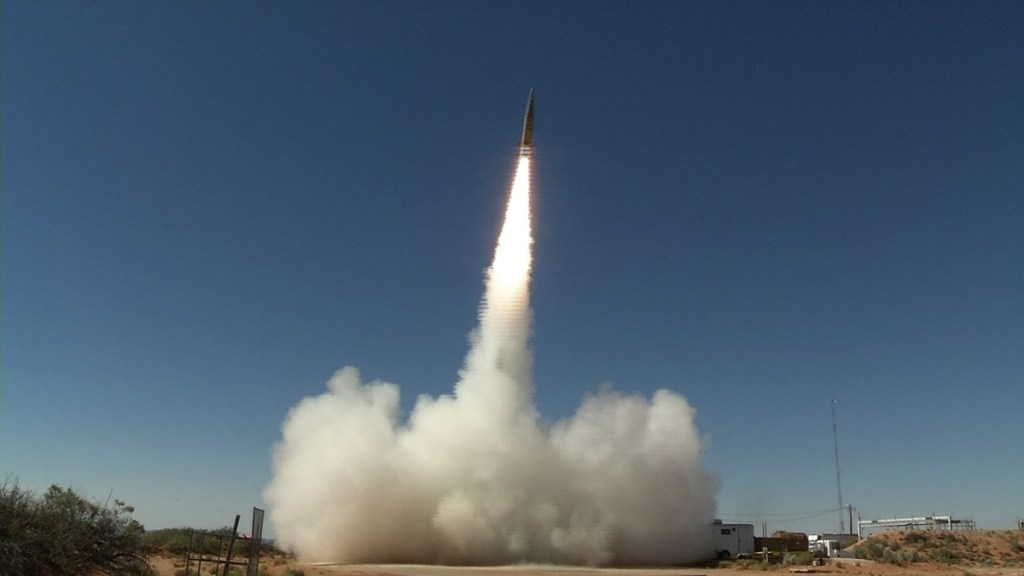
The Army is working to see across thousands of miles
The Army’s ISR Task Force is helping the service see thousands of miles through a layered approach: the terrestrial layer, aerial layer and space layer.
-
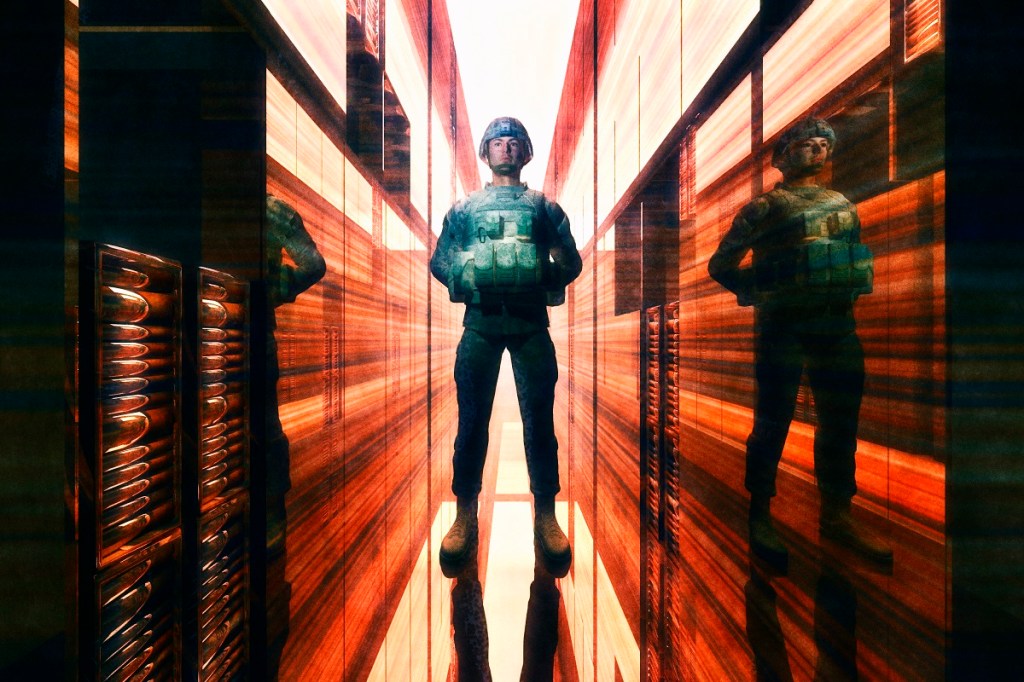
Access granted: The importance of monitoring lateral traffic in networks
If you hear the boom, it is often too late.
-

US Army-funded research project makes inroads on scaling quantum processors
A new process for developing quantum computer chips has implications for scaling processors in the future.
-

US Army seeks new airborne tech to detect, defeat radar systems
The Army is asking for information on sensors and technologies that can help detect and defeat enemy radars and air defense systems.
-

DARPA wants stronger security for Internet of Things devices
The Pentagon research arm wants quantum-resistant cryptography.
-
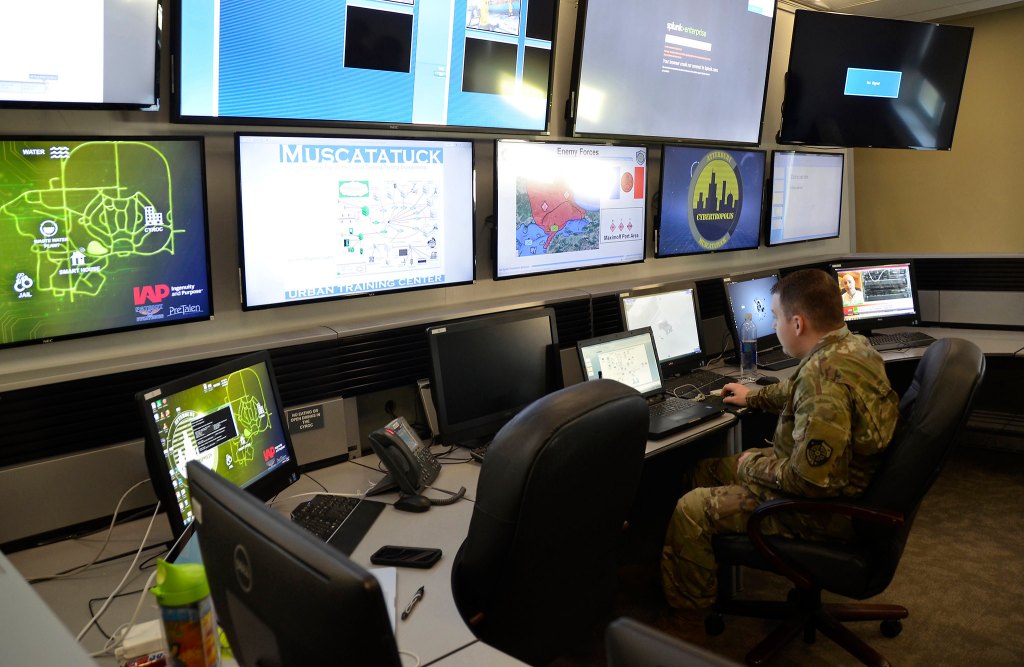
US Cyber Command is using unclassified networks to fight election interference
U.S. Cyber Command is using unclassified networks and publicly available communication platforms as it works to prevent foreign interference in the next presidential election, a CYBERCOM official has revealed.
-
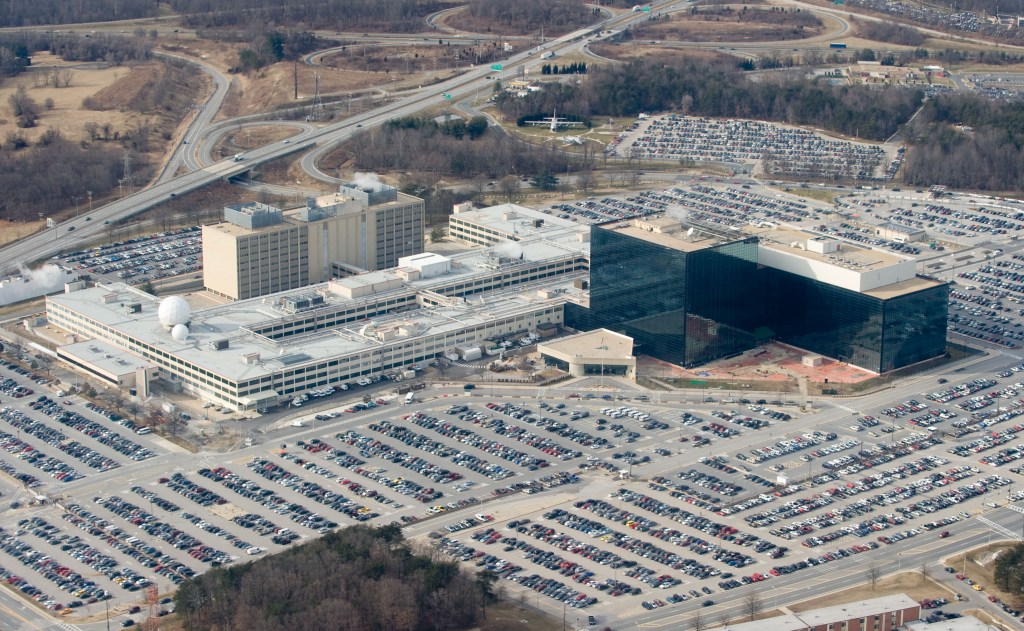
How has the pandemic impacted work at the NSA?
The NSA has seen increased efficiency as its work has become more virtual due to the ongoing pandemic.
-

Pentagon wrestles with adopting zero-trust security approach
Work from home caused by the coronavirus pandemic has accelerated conversations about zero-trust, several IT officials have said recently.
-
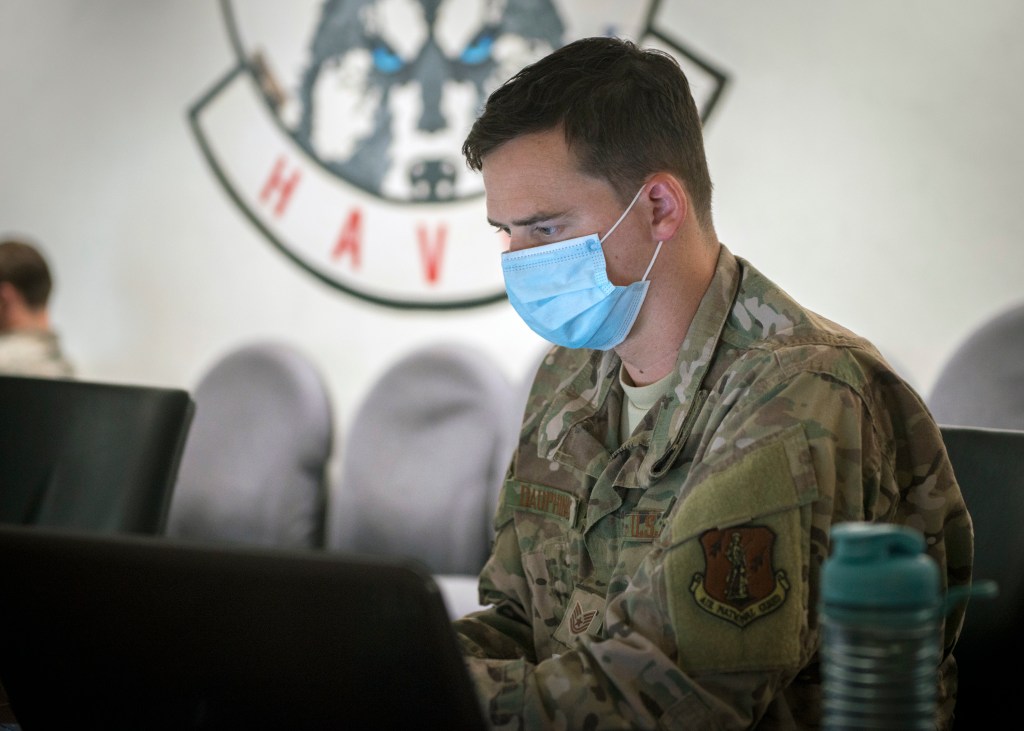
New England guardsmen test their skills in Cyber Yankee 2020
Cyber Yankee, a regional National Guard cyber exercise, concluded its sixth year at the end of July.
-
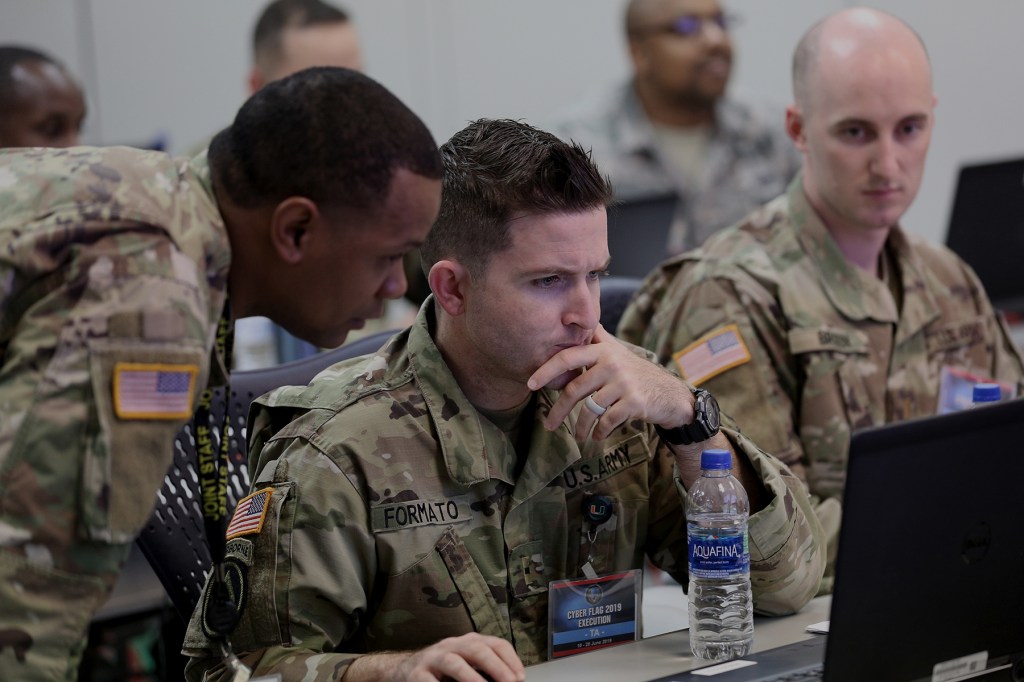
The US is a ‘cheap date’ in cyberspace. A commission has ideas to change that.
A top member of the Cyber Solarium Commission outlined a two-pronged approach for better cyber deterrence.