-

Lockheed Martin sees an appetite for startup investments
Lockheed is doubling down on its venture capital investments. Here’s the tech it’s interested in.
-
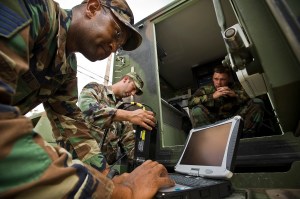
Will AI help save lives on the battlefield?
The Air Force Research Laboratory at Wright-Patterson Air Force Base is exploring how artificial intelligence can drive video interpretation and situational awareness.
-

From submersibles to satellites, 12 ways to ‘hyper-enable’ a special forces operator
U.S. Special Operations Command wants to maintain its edge by investing in a wide variety of capability that is continuously evolving through fast technology breakthroughs.
-

Air Force secretary: China, Russia could shoot down new JSTARS on day one of a war
Even a new version of the Air Force’s JSTARS battlefield management and control aircraft would be vulnerable to being shot out of the sky during the opening salvo of a conflict with Russia or China.
-

What the Pentagon is learning from its massive machine learning project
Project Maven has already deployed in five or six locations across Africa and the Middle East. Here’s what officials are learning from those deployments so far.
-
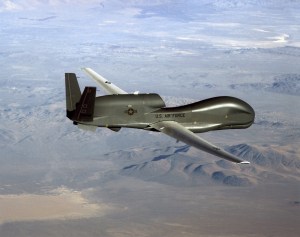
No ISIS targets is no longer a problem for Central Command
CENTCOM has established a new process that prioritizes the exploitation of intelligence data collected.
-
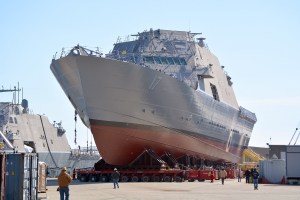
New data link to allow LCS to simultaneously get imagery from more than one aircraft
L3 Technologies and the U.S. Navy have entered negotiations for new shipboard terminals for future littoral combat ships.
-
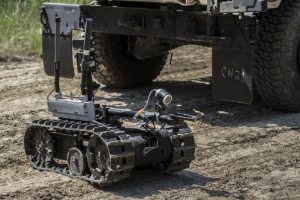
Army narrows contenders for $429M ground robot competition
Could the Army snag a Roomba for dismounted field operations?
-
Congress’ new omnibus bill sets up hurdles for JSTARS recap cancellation
Congress wants the Air Force to submit a report and a reprogramming request before it will transfer money from the cancelled JSTARS recap to elsewhere.
-
Air Force ISR leaders ‘underestimated the pace of change and the threats’
The Air Force told lawmakers this week that it underestimated threats when assessing the fate of its ISR systems.
-
Lockheed Martin sees an appetite for startup investments
Lockheed is doubling down on its venture capital investments. Here’s the tech it’s interested in.
-
Will AI help save lives on the battlefield?
The Air Force Research Laboratory at Wright-Patterson Air Force Base is exploring how artificial intelligence can drive video interpretation and situational awareness.
-
From submersibles to satellites, 12 ways to ‘hyper-enable’ a special forces operator
U.S. Special Operations Command wants to maintain its edge by investing in a wide variety of capability that is continuously evolving through fast technology breakthroughs.
-
Air Force secretary: China, Russia could shoot down new JSTARS on day one of a war
Even a new version of the Air Force’s JSTARS battlefield management and control aircraft would be vulnerable to being shot out of the sky during the opening salvo of a conflict with Russia or China.
-
What the Pentagon is learning from its massive machine learning project
Project Maven has already deployed in five or six locations across Africa and the Middle East. Here’s what officials are learning from those deployments so far.
-
No ISIS targets is no longer a problem for Central Command
CENTCOM has established a new process that prioritizes the exploitation of intelligence data collected.
-
New data link to allow LCS to simultaneously get imagery from more than one aircraft
L3 Technologies and the U.S. Navy have entered negotiations for new shipboard terminals for future littoral combat ships.
-
Army narrows contenders for $429M ground robot competition
Could the Army snag a Roomba for dismounted field operations?
-
Congress’ new omnibus bill sets up hurdles for JSTARS recap cancellation
Congress wants the Air Force to submit a report and a reprogramming request before it will transfer money from the cancelled JSTARS recap to elsewhere.
-
Air Force ISR leaders ‘underestimated the pace of change and the threats’
The Air Force told lawmakers this week that it underestimated threats when assessing the fate of its ISR systems.
-
Lockheed Martin sees an appetite for startup investments
Lockheed is doubling down on its venture capital investments. Here’s the tech it’s interested in.
-
Will AI help save lives on the battlefield?
The Air Force Research Laboratory at Wright-Patterson Air Force Base is exploring how artificial intelligence can drive video interpretation and situational awareness.
-

From submersibles to satellites, 12 ways to ‘hyper-enable’ a special forces operator
U.S. Special Operations Command wants to maintain its edge by investing in a wide variety of capability that is continuously evolving through fast technology breakthroughs.
-
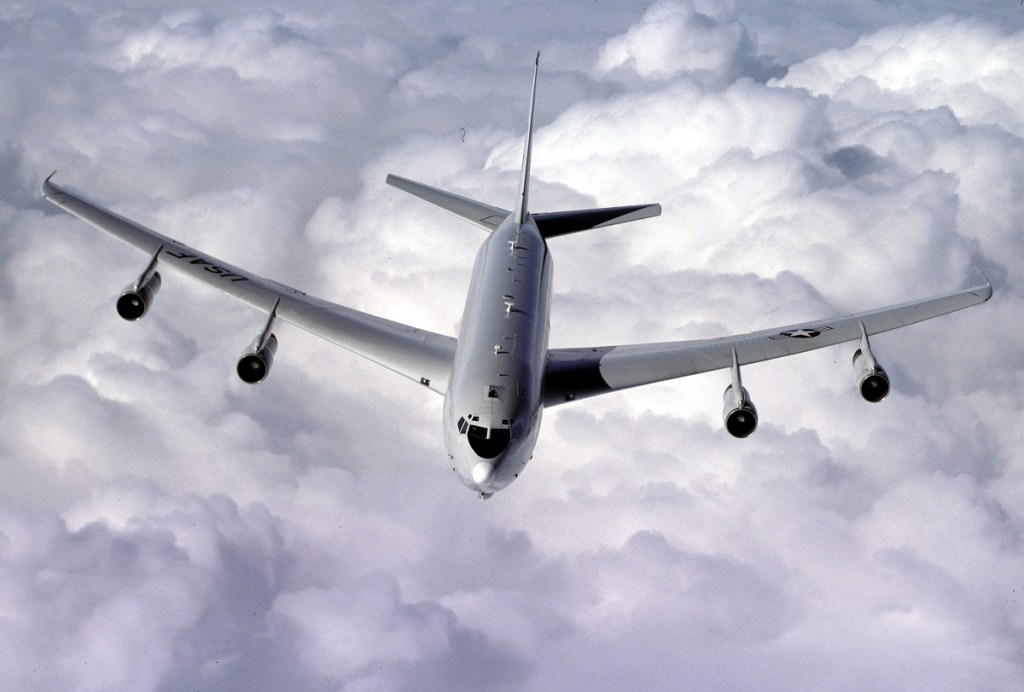
Air Force secretary: China, Russia could shoot down new JSTARS on day one of a war
Even a new version of the Air Force’s JSTARS battlefield management and control aircraft would be vulnerable to being shot out of the sky during the opening salvo of a conflict with Russia or China.
-

What the Pentagon is learning from its massive machine learning project
Project Maven has already deployed in five or six locations across Africa and the Middle East. Here’s what officials are learning from those deployments so far.
-
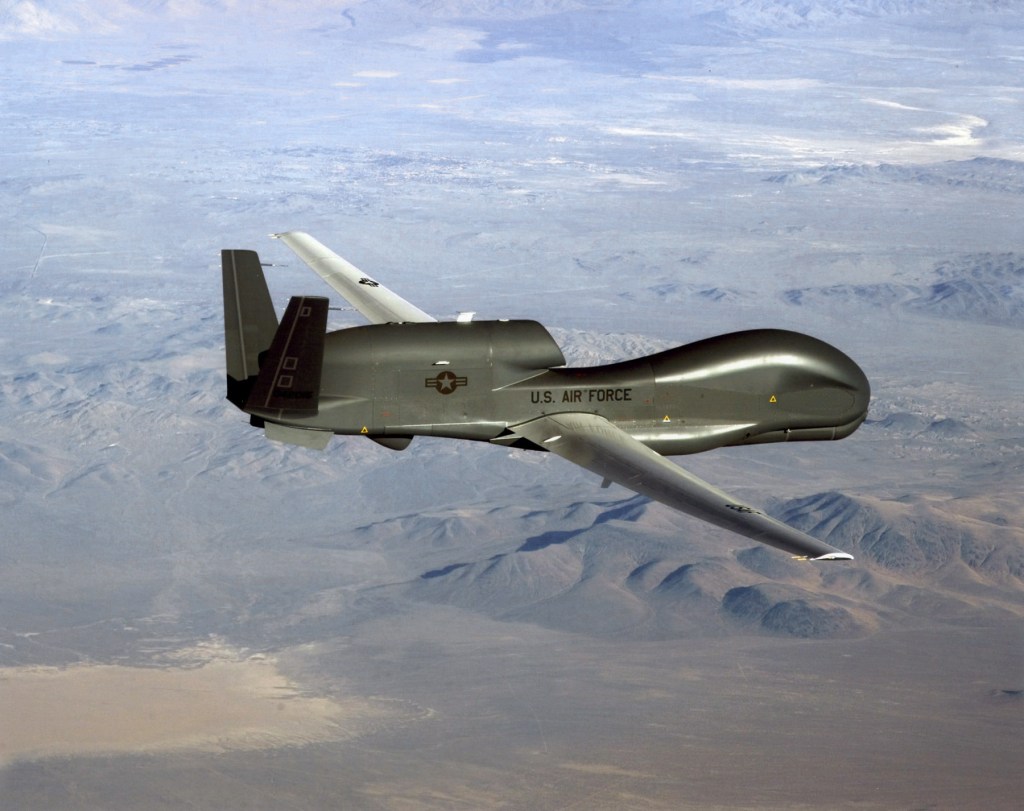
No ISIS targets is no longer a problem for Central Command
CENTCOM has established a new process that prioritizes the exploitation of intelligence data collected.
-

New data link to allow LCS to simultaneously get imagery from more than one aircraft
L3 Technologies and the U.S. Navy have entered negotiations for new shipboard terminals for future littoral combat ships.
-
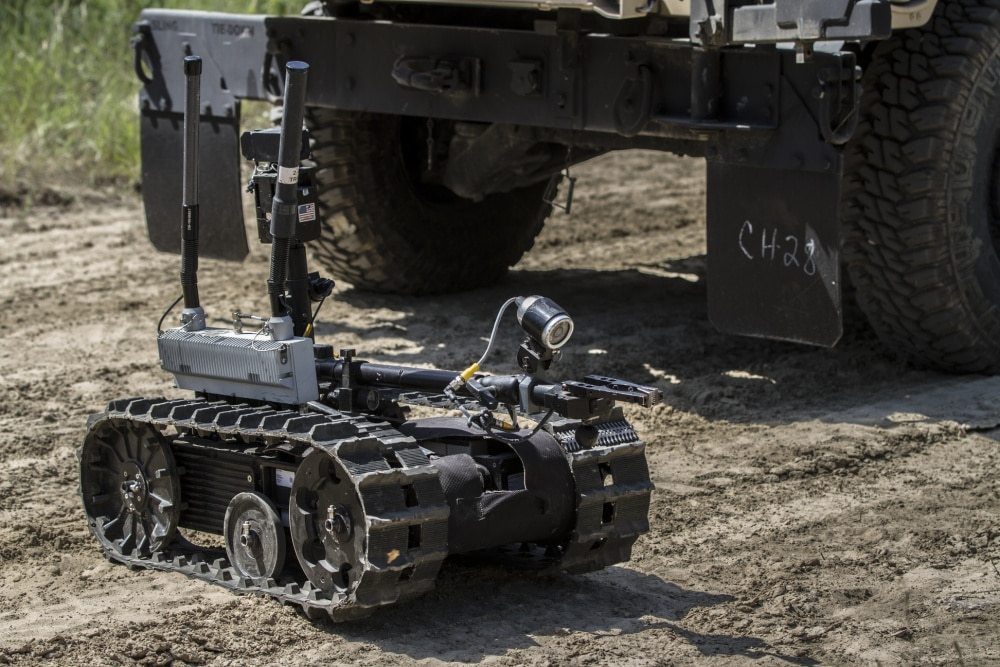
Army narrows contenders for $429M ground robot competition
Could the Army snag a Roomba for dismounted field operations?
-
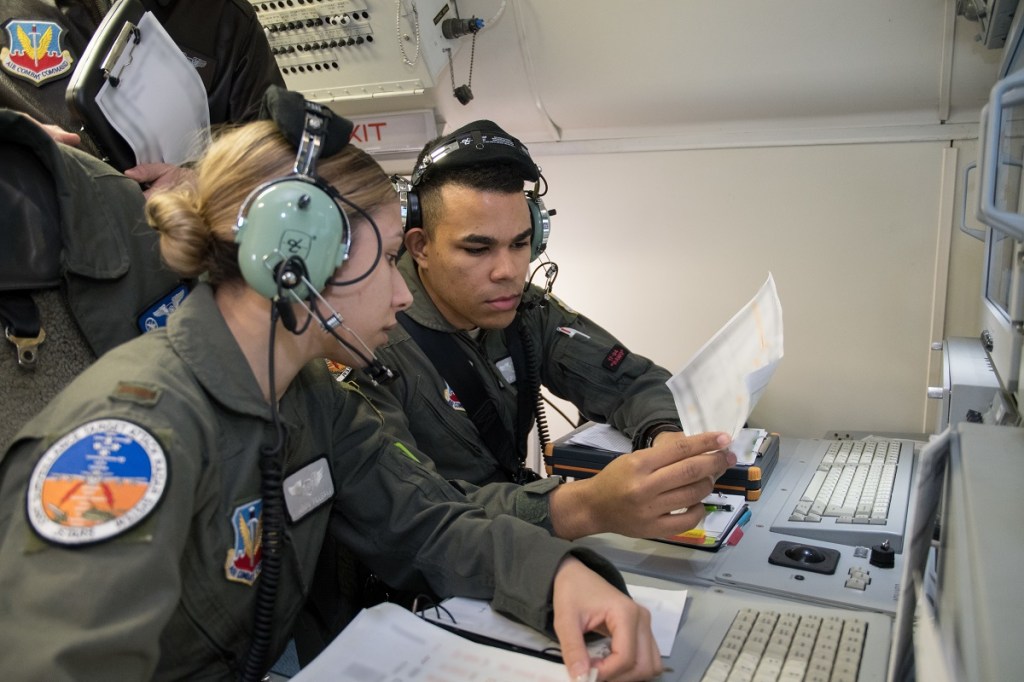
Congress’ new omnibus bill sets up hurdles for JSTARS recap cancellation
Congress wants the Air Force to submit a report and a reprogramming request before it will transfer money from the cancelled JSTARS recap to elsewhere.
-
Air Force ISR leaders ‘underestimated the pace of change and the threats’
The Air Force told lawmakers this week that it underestimated threats when assessing the fate of its ISR systems.