-
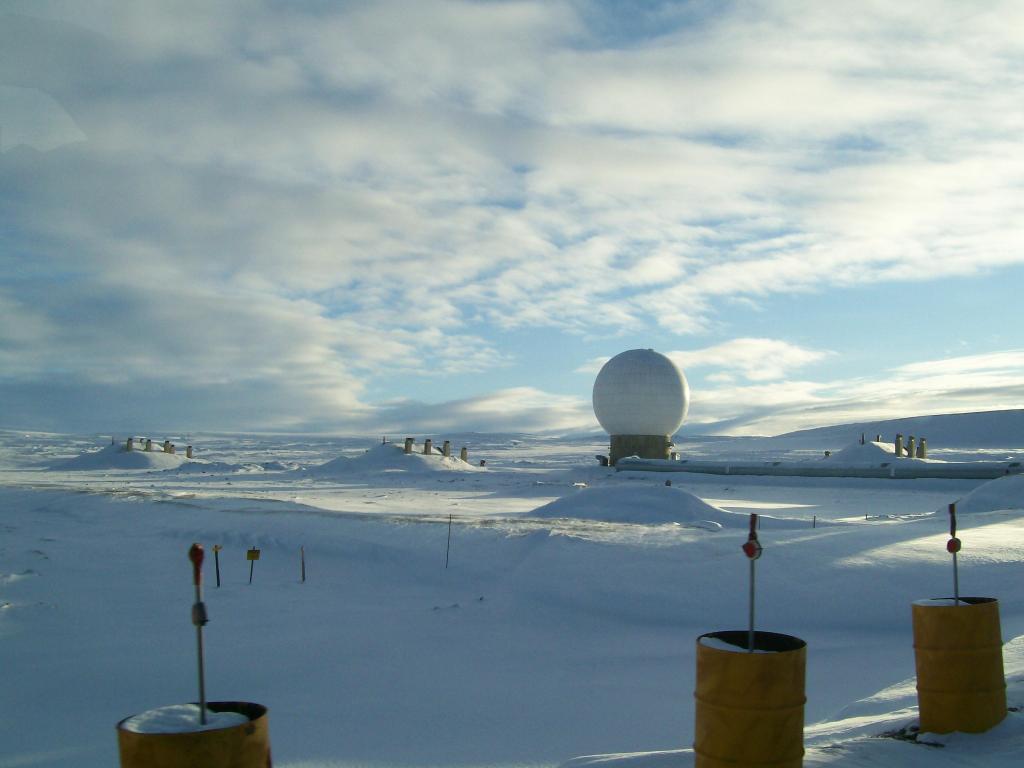
Armed with a new Arctic strategy, the Air Force seeks increased connectivity in the region
Space, communications and missile defense emerged as key priorities for air and space forces operating in the Arctic.
-

Inside the intelligence community’s new plan for commercial imagery
The National Reconnaissance Office plans to issue a number of commercial imagery contracts toward the end of this year. Here’s how it’s making that decision.

Featured:
Intel/GEOINT
The intelligence community may function behind the scenes, but its work is anything but the man behind the curtain. From commanders to dismounted troops, intelligence powers critical decision-making.
-

Intel from NRO, NGA included in Trump’s alleged misuse of defense docs
The documents Trump is accused of mishandling contained details concerning nuclear weapons, military capabilities and activities in foreign countries.
-

Lockheed Martin wins Apache sensor contract
Lockheed Martin has been awarded an Army contract for AH-64D/E Apache helicopter sensors.
-
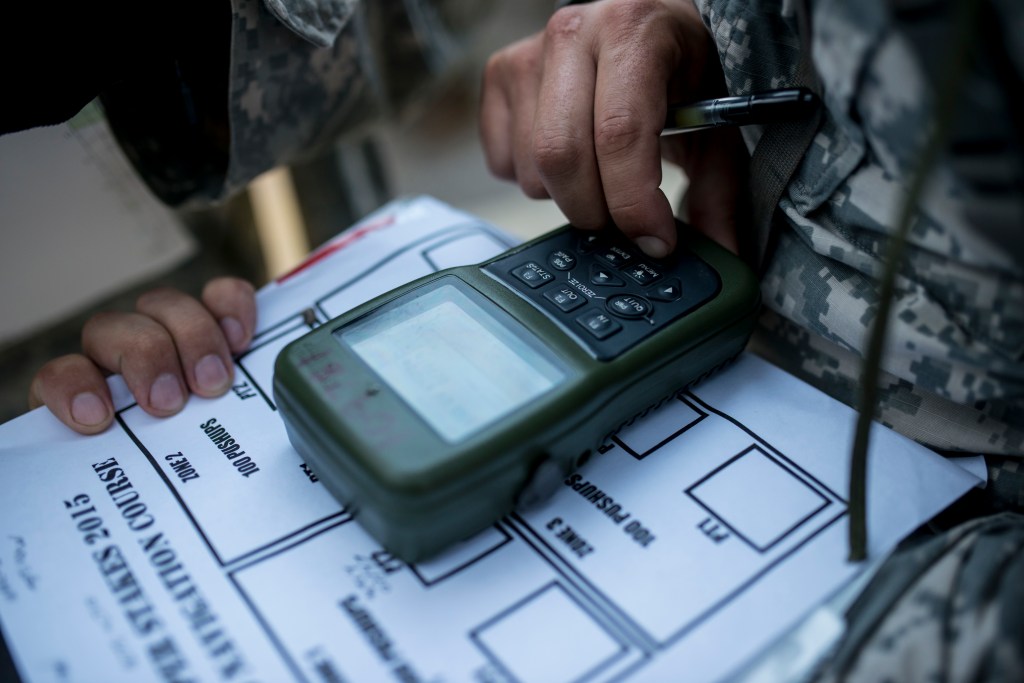
Northrop Grumman wins GPS modernization contract
The company will evaluate new GPS receivers, including M-code.
-

SRA wins $35M AF DCGS contract
The company will support the AF DCGS Processing, Exploitation, and Dissemination Operation Center.
-

Army opens Fort Bragg geospatial readiness center
Forces Command Intelligence Readiness & Operations Center at Fort Bragg, North Carolina, forges key intel partnerships.
-

Army wants microfiber smoke grenades
The Army hopes to hide its soldiers from infrared sensors by using carbon microfibers.
-

Navy tests next-gen P-8 sensor
The APS-154 Advanced Airborne Sensor is a follow on to the Littoral Surveillance Radar System.
-
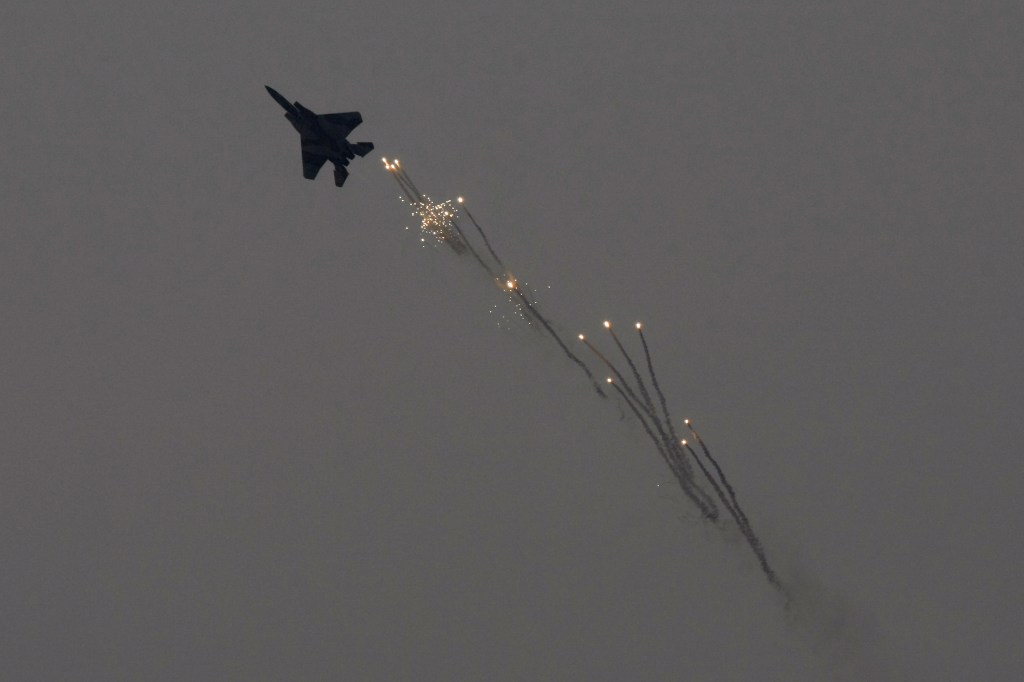
Elbit Systems wins $70M Israeli electronic warfare contract
The systems will be installed on Israel’s full range of jet fighters.
-
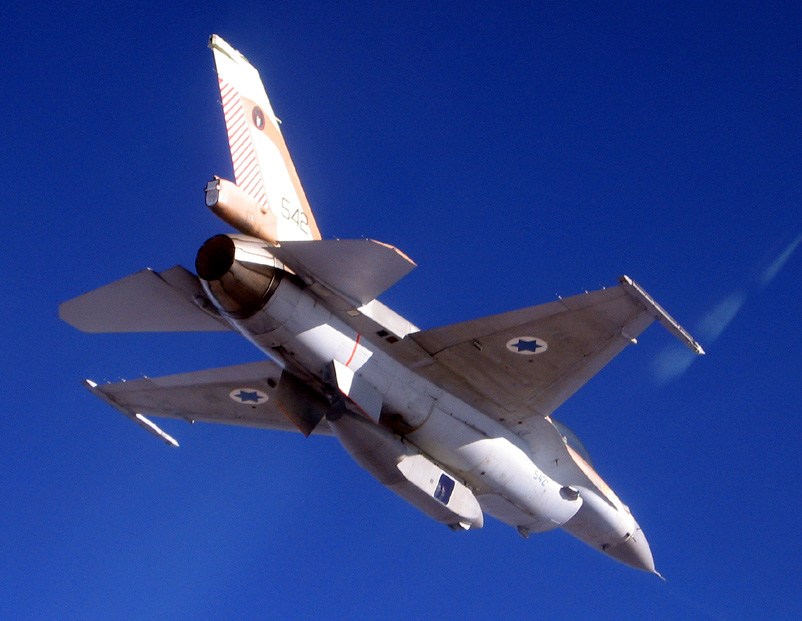
Elbit wins $50M Asian ISR contract
The company will support intelligence, surveillance, target acquisition and reconnaissance missions.
-

Germany to send AWACS planes to Turkey
Germany will send the early warning systems to help augment the NATO ally’s airspace from potential threats from Syria.
-
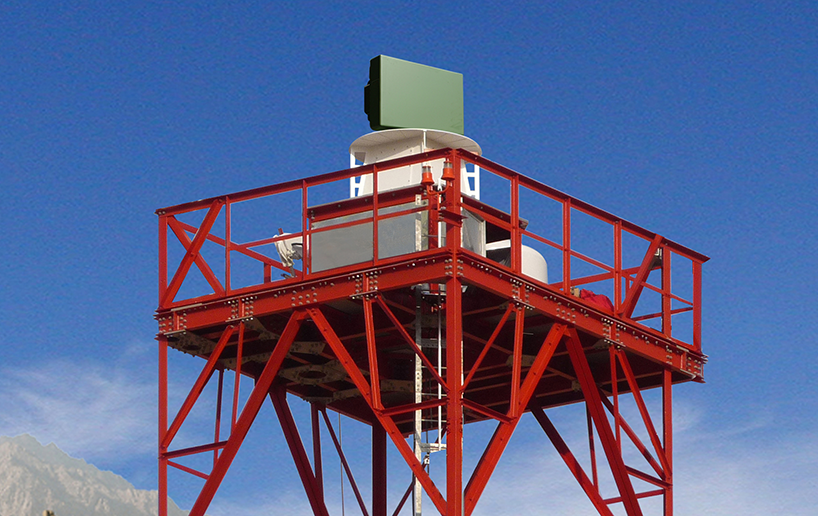
Malaysia orders coastal radars
The SPEXER 2000 has an instrumented range of 133 nautical miles, and can detect sea, air and land targets.