-
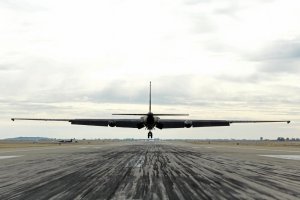
Air Force prepares to retire U-2 spy planes in 2026
Congress needs to approve the retirement plan, which has run afoul of lawmakers in the past.
-
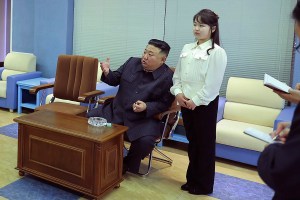
Kim says North Korea’s 1st spy satellite ready for launch
Previous tests have demonstrated North Korea can send satellites into space, but experts question whether it has cameras sophisticated enough for spying.
-

Air Force base in document leaks case loses intel mission
The Air Force says it has opened its own investigation into how a lone airman could access and distribute possibly hundreds of highly classified documents.
-
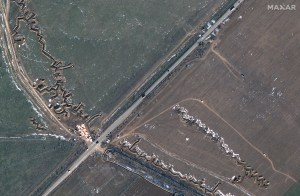
Space domain awareness, protection requires more space-based systems
Space-based surveillance has become increasingly affordable.
-
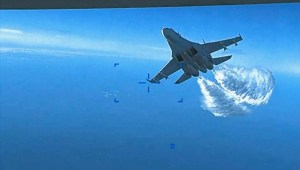
China, Russia propaganda wither as cameras multiply, US admiral says
Among recent examples, he said, was the Russian harassment of a U.S. Air Force drone, which splashed into the Black Sea after a collision in March.
-
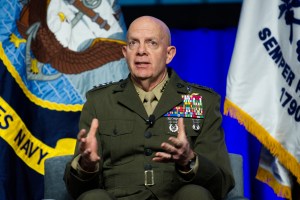
Over-classified information hampers work with allies, top Marines say
“Sometimes we get in our own way, by over-classifying, over-compartmentalizing,” Gen. David Berger said.
-
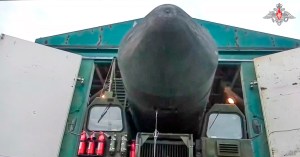
Russia stops sharing missile test info with US, opens drills
A senior Russian diplomat says Moscow has suspended sharing information about its nuclear forces with the U.S., including notices about missile tests.
-

National Cybersecurity Strategy is a North Star for federal agencies
Many government agencies still rely on legacy IT systems that are costly to maintain and difficult to defend, the author says.
-
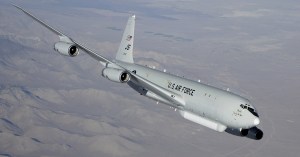
Space Force seeking $1.2B for ‘Long Range Kill Chains’ target tracking
Because the program is mostly classified, the budget documents offer few details on the sensors the service will develop.
-
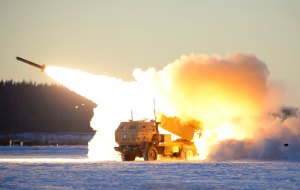
What is ‘deep sensing’ and why is the US Army so focused on it?
“If we’re going to do long-range precision fires,” Army Gen. James McConville said, “you need to do long range-precision targeting.”
-
Air Force prepares to retire U-2 spy planes in 2026
Congress needs to approve the retirement plan, which has run afoul of lawmakers in the past.
-
Kim says North Korea’s 1st spy satellite ready for launch
Previous tests have demonstrated North Korea can send satellites into space, but experts question whether it has cameras sophisticated enough for spying.
-
Air Force base in document leaks case loses intel mission
The Air Force says it has opened its own investigation into how a lone airman could access and distribute possibly hundreds of highly classified documents.
-
Space domain awareness, protection requires more space-based systems
Space-based surveillance has become increasingly affordable.
-
China, Russia propaganda wither as cameras multiply, US admiral says
Among recent examples, he said, was the Russian harassment of a U.S. Air Force drone, which splashed into the Black Sea after a collision in March.
-
Over-classified information hampers work with allies, top Marines say
“Sometimes we get in our own way, by over-classifying, over-compartmentalizing,” Gen. David Berger said.
-
Russia stops sharing missile test info with US, opens drills
A senior Russian diplomat says Moscow has suspended sharing information about its nuclear forces with the U.S., including notices about missile tests.
-
National Cybersecurity Strategy is a North Star for federal agencies
Many government agencies still rely on legacy IT systems that are costly to maintain and difficult to defend, the author says.
-
Space Force seeking $1.2B for ‘Long Range Kill Chains’ target tracking
Because the program is mostly classified, the budget documents offer few details on the sensors the service will develop.
-
What is ‘deep sensing’ and why is the US Army so focused on it?
“If we’re going to do long-range precision fires,” Army Gen. James McConville said, “you need to do long range-precision targeting.”
-
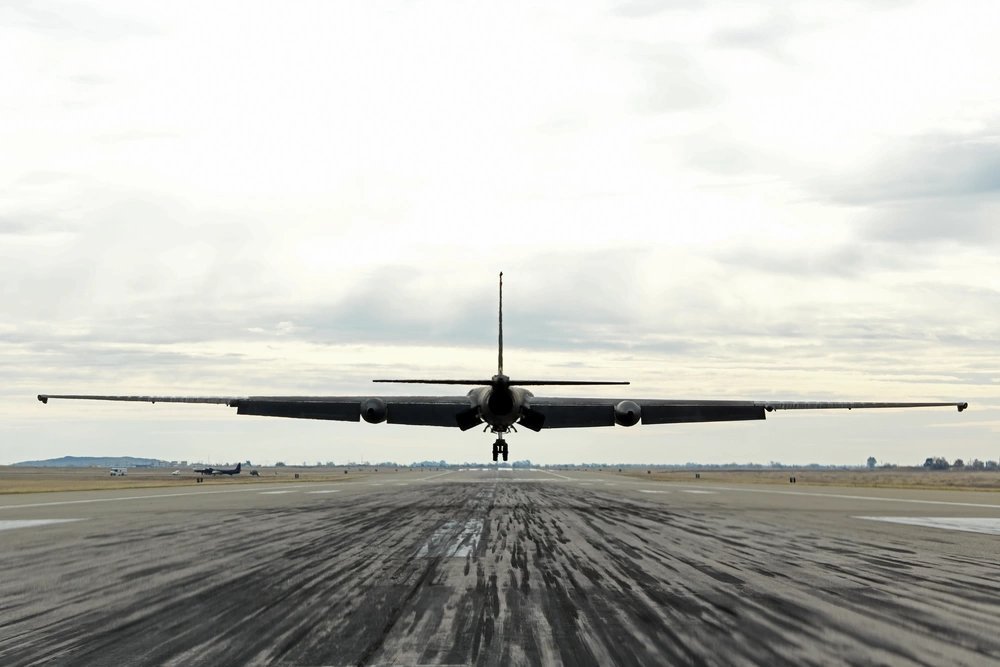
Air Force prepares to retire U-2 spy planes in 2026
Congress needs to approve the retirement plan, which has run afoul of lawmakers in the past.
-
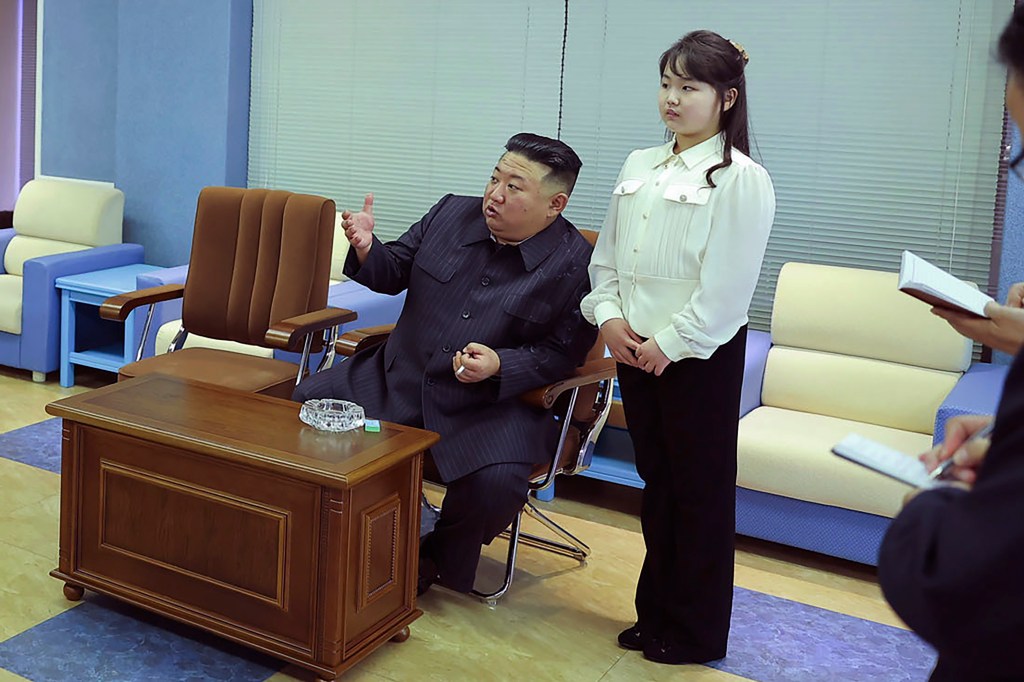
Kim says North Korea’s 1st spy satellite ready for launch
Previous tests have demonstrated North Korea can send satellites into space, but experts question whether it has cameras sophisticated enough for spying.
-

Air Force base in document leaks case loses intel mission
The Air Force says it has opened its own investigation into how a lone airman could access and distribute possibly hundreds of highly classified documents.
-
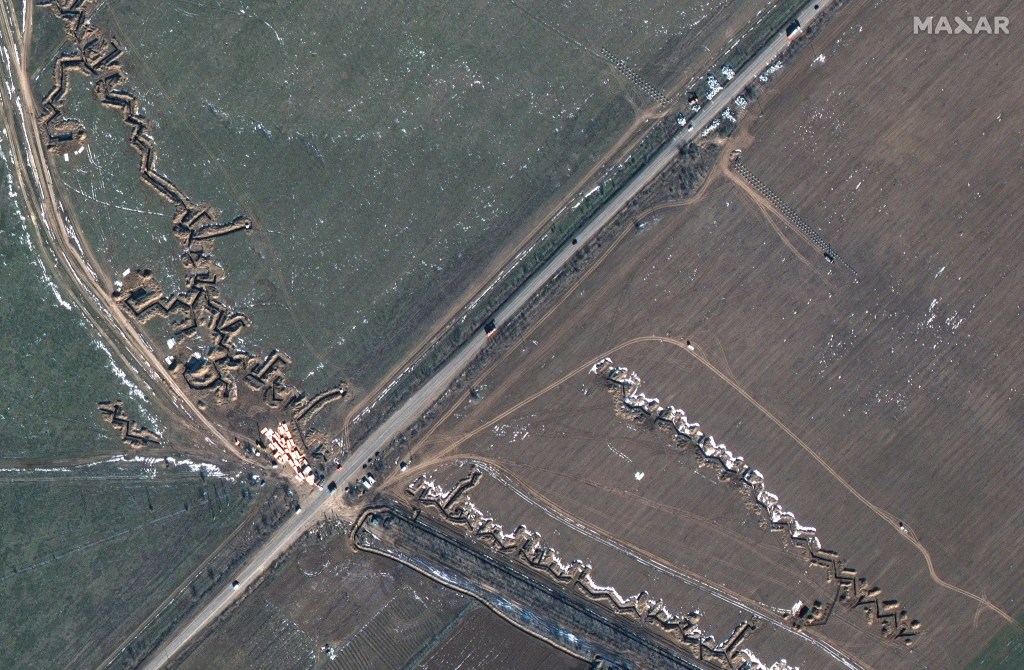
Space domain awareness, protection requires more space-based systems
Space-based surveillance has become increasingly affordable.
-
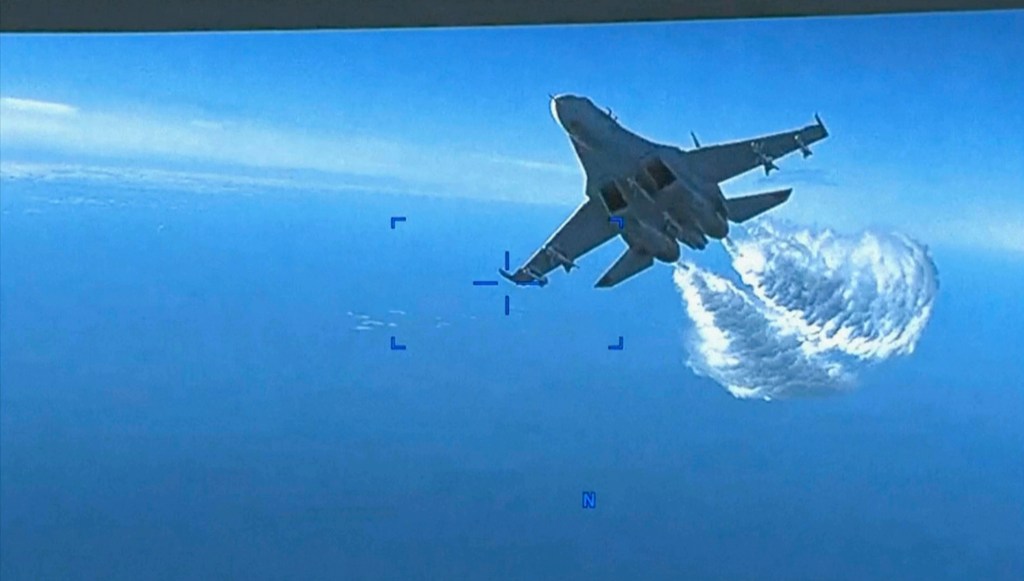
China, Russia propaganda wither as cameras multiply, US admiral says
Among recent examples, he said, was the Russian harassment of a U.S. Air Force drone, which splashed into the Black Sea after a collision in March.
-
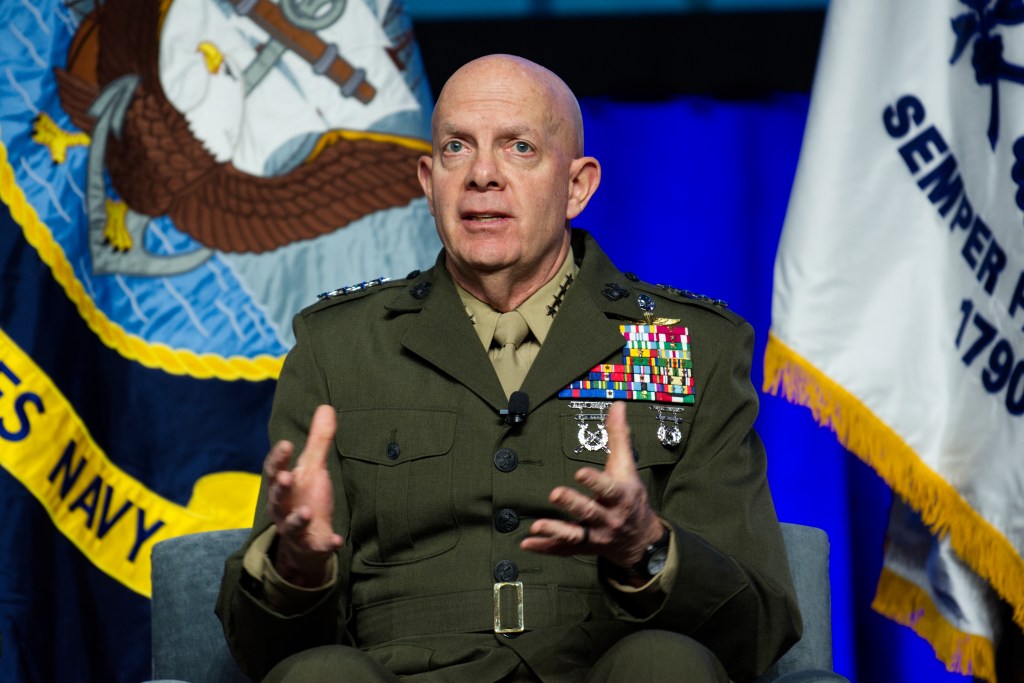
Over-classified information hampers work with allies, top Marines say
“Sometimes we get in our own way, by over-classifying, over-compartmentalizing,” Gen. David Berger said.
-
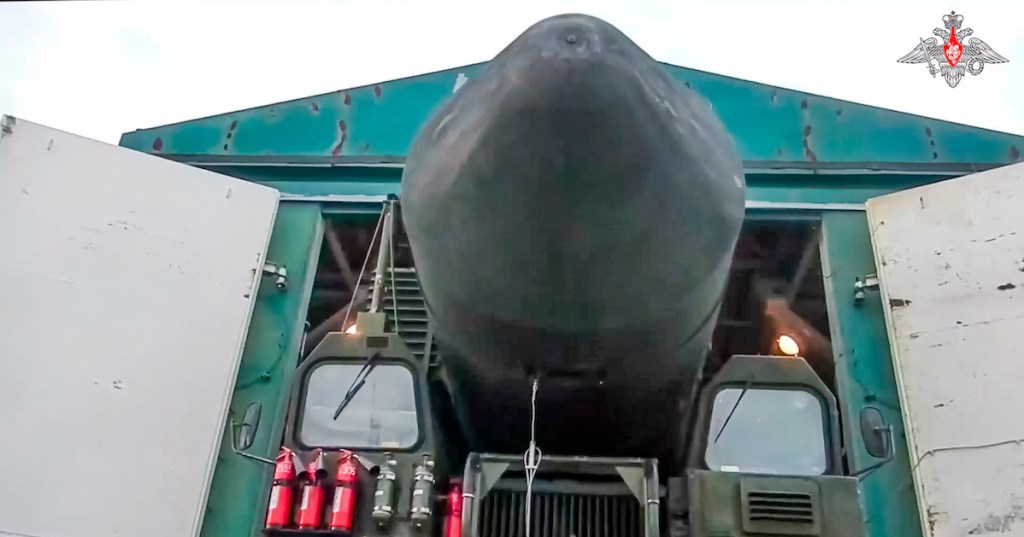
Russia stops sharing missile test info with US, opens drills
A senior Russian diplomat says Moscow has suspended sharing information about its nuclear forces with the U.S., including notices about missile tests.
-
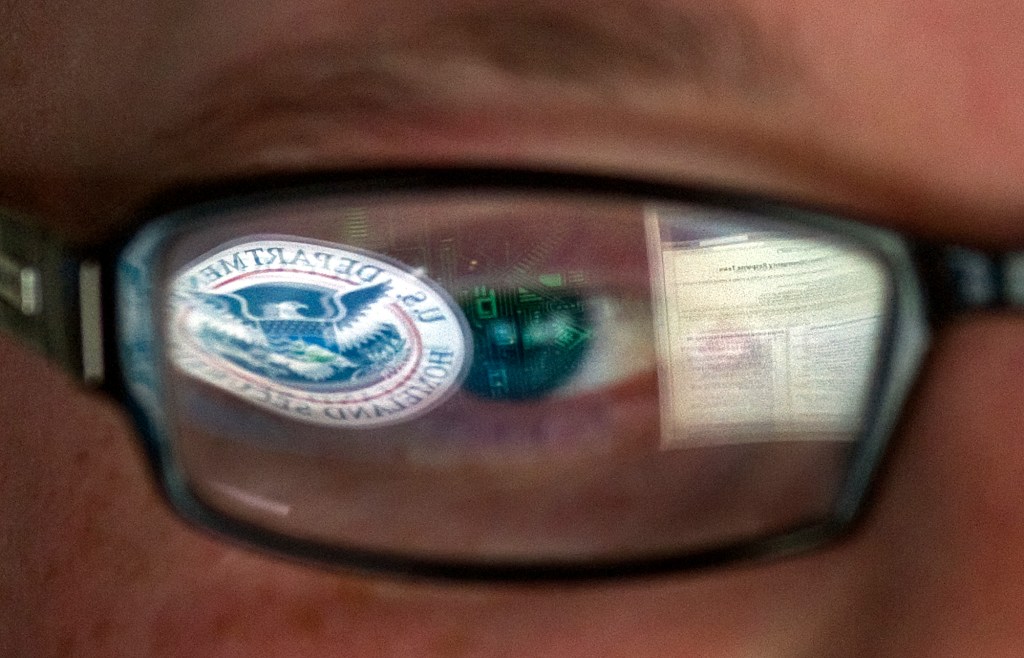
National Cybersecurity Strategy is a North Star for federal agencies
Many government agencies still rely on legacy IT systems that are costly to maintain and difficult to defend, the author says.
-
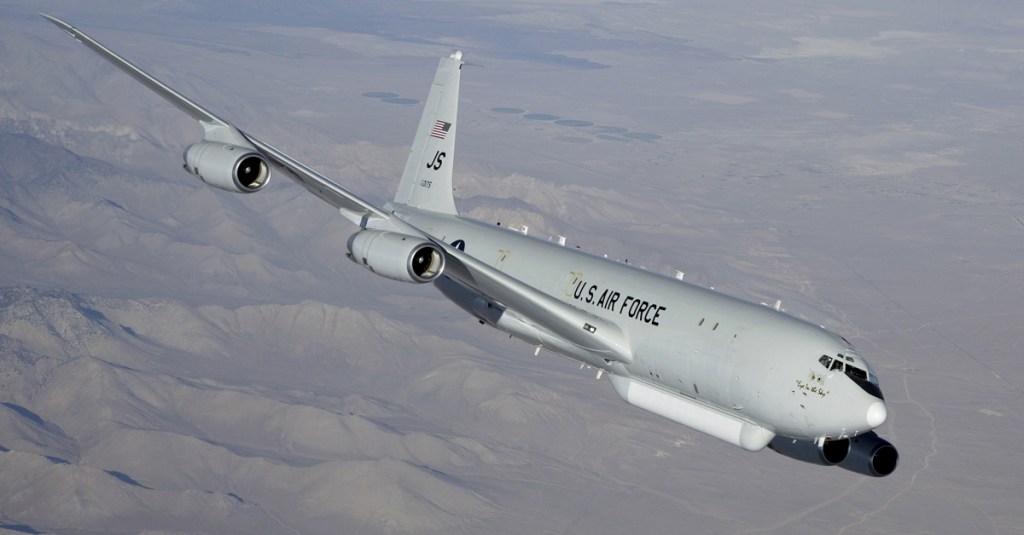
Space Force seeking $1.2B for ‘Long Range Kill Chains’ target tracking
Because the program is mostly classified, the budget documents offer few details on the sensors the service will develop.
-
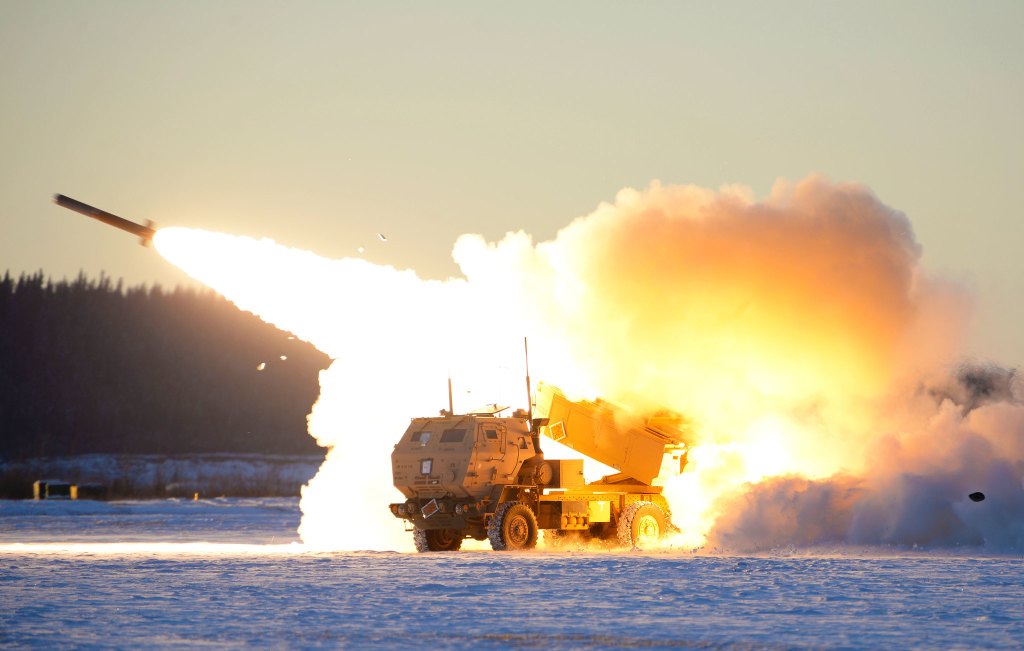
What is ‘deep sensing’ and why is the US Army so focused on it?
“If we’re going to do long-range precision fires,” Army Gen. James McConville said, “you need to do long range-precision targeting.”