-

Pentagon finds hundreds of cyber vulnerabilities among contractors
The campaign launched in April 2021 with 14 participating companies and 141 publicly accessible assets to probe. Interest quickly ballooned; 41 companies and nearly 350 assets were eventually admitted.
-

US Navy cuts deal to see Microsoft’s tools before they hit the market
The Naval Postgraduate School and Microsoft will collaborate on areas where rapid advancements in commercial technology like cloud computing and data fusion can address critical military needs.
-

How the Space Force is working with US allies
Director of the Space Force’s International Affairs Directorate Deanna Ryals says the organization aims to serve as a “front door” for Space Systems Command’s work with international partners and to ensure that as the command develops and acquires new systems and architectures, it does so with allies in mind.
-
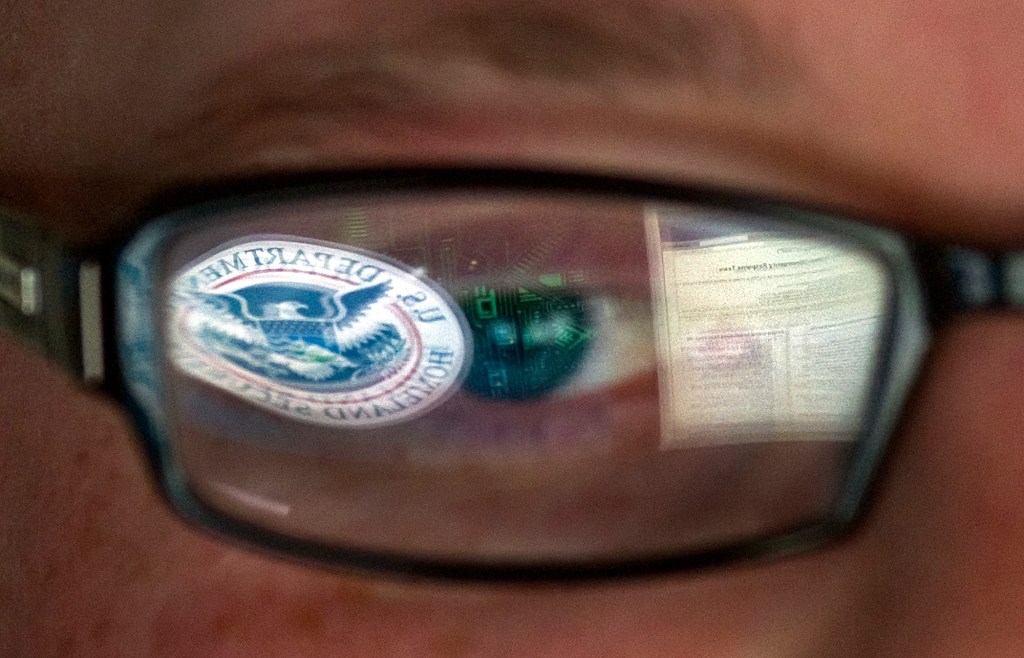
Feared Russian cyberattacks against US have yet to materialize
“The threat environment isn’t getting any less dynamic, less complex, less dangerous,” said CISA Director Jen Easterly. And the “threat actors are not getting any less sophisticated.”
-
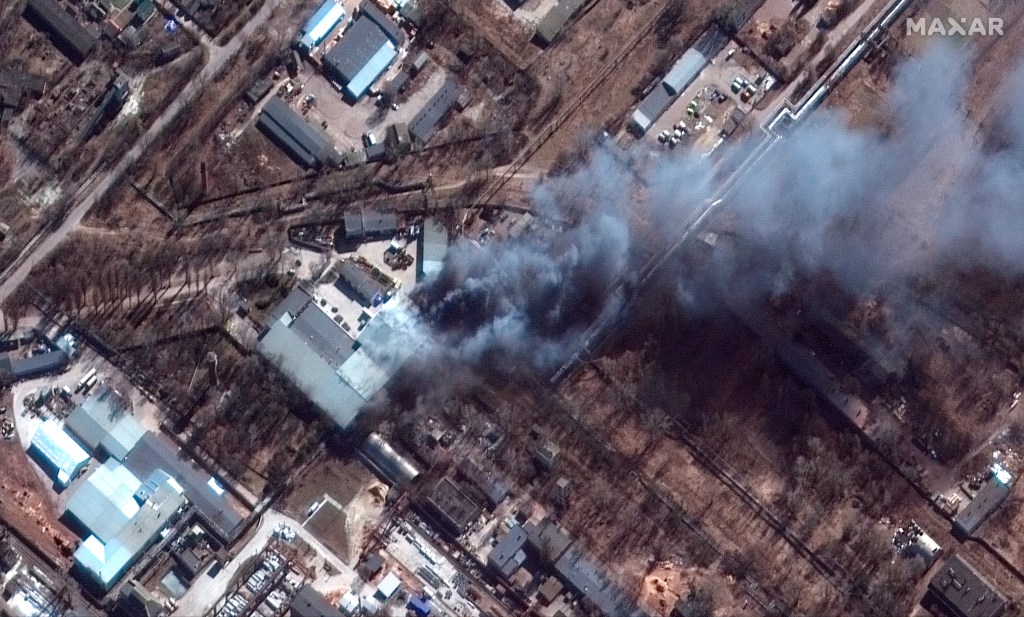
Army Futures Command learning from Russia’s invasion of Ukraine
At the GEOINT Symposium in Denver, Army officials say the conflict in Ukraine validates their approach to modernization and training.
-

The anti-satellite test ban must not undermine deterrence
The U.S. must convince its adversaries they cannot destroy America’s critical satellites while retaining theirs.
-
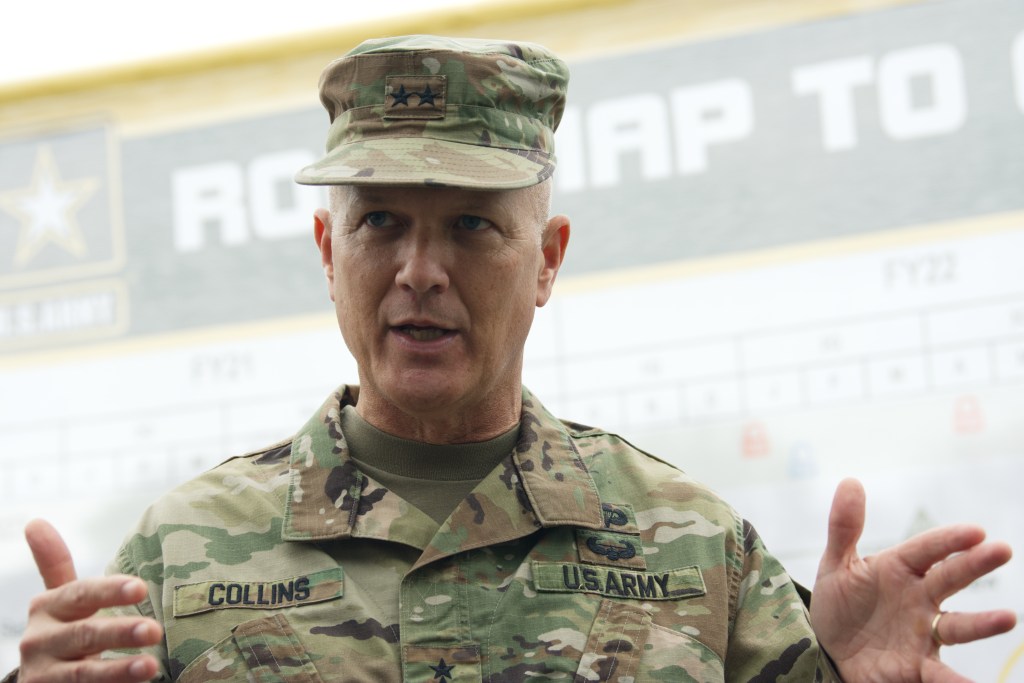
US Army wraps review of ‘future battlespace’ network tools
“In previous wars, the difference between a good decision and a bad decision may be minutes,” the general said. “In the future battlespace, that difference between a good decision and a bad decision may be seconds or milliseconds.”
-

DARPA budget request seeks to bolster ‘critical’ defense technologies
The agency’s $4.1 billion budget is closely aligned with DoD’s critical technology priorities, particularly in the areas of microelectronics, artificial intelligence and biotechnology.
-
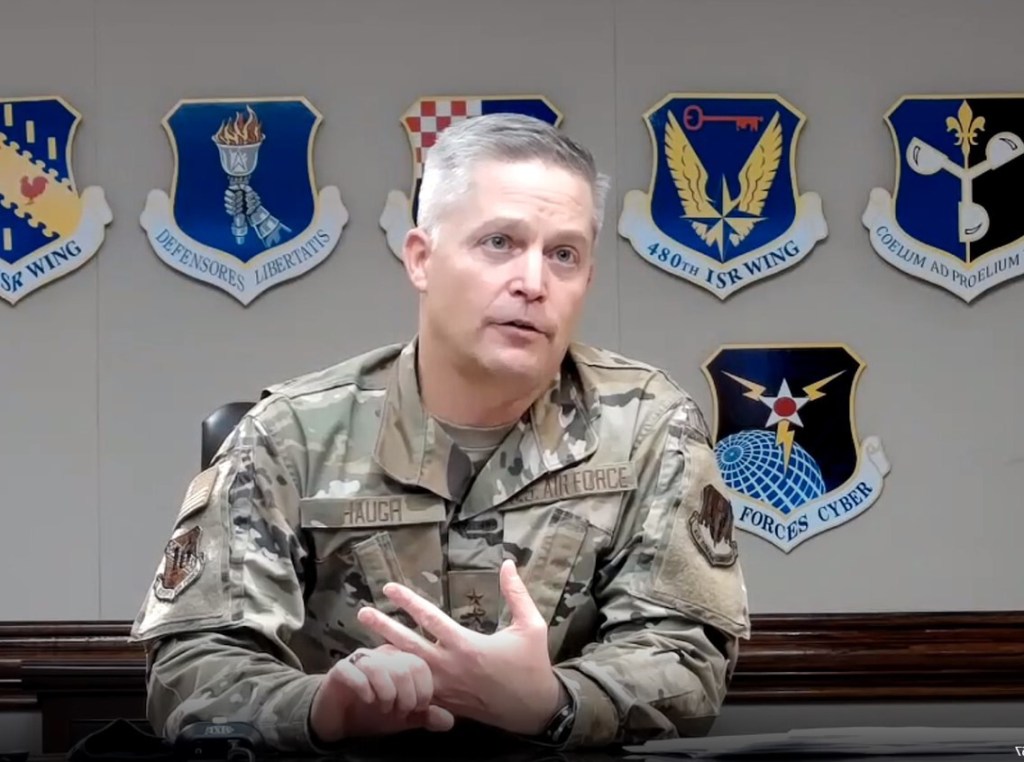
Biden nominates Haugh as CYBERCOM deputy
Lt. Gen. Timothy Haugh is also considered a potential successor to Gen. Paul Nakasone, the current commander of U.S. Cyber Command and the director of the National Security Agency.
-
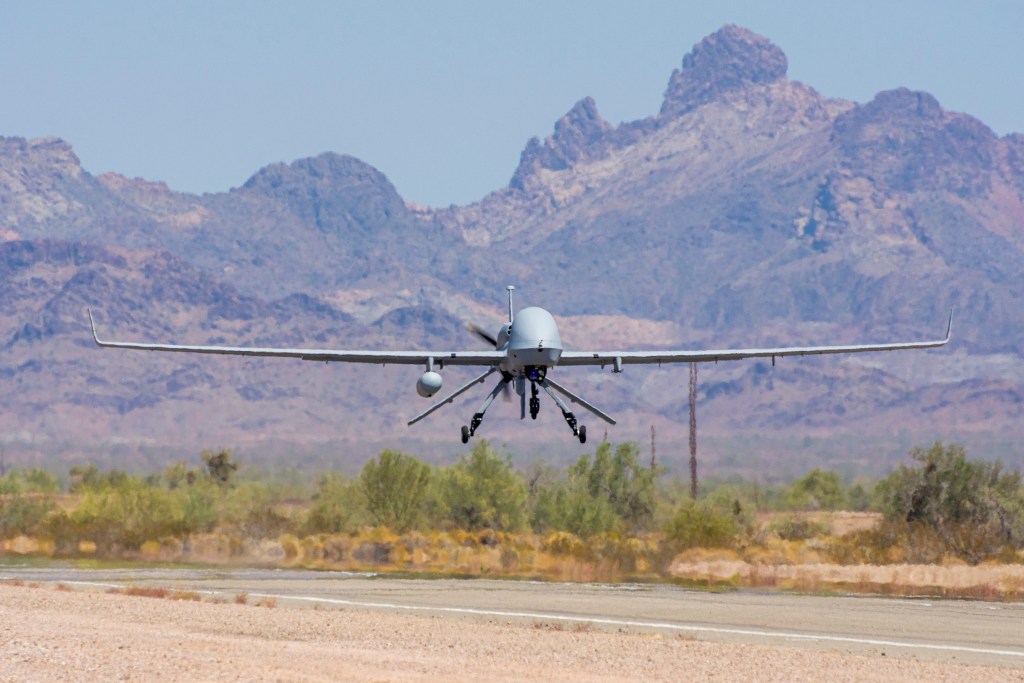
Intelligence agency takes over Project Maven, the Pentagon’s signature AI scheme
Project Maven is the Department of Defense’s most visible artificial intelligence tool, designed to process imagery and full-motion video from drones and automatically detect potential targets.
-
Pentagon finds hundreds of cyber vulnerabilities among contractors
The campaign launched in April 2021 with 14 participating companies and 141 publicly accessible assets to probe. Interest quickly ballooned; 41 companies and nearly 350 assets were eventually admitted.
-
US Navy cuts deal to see Microsoft’s tools before they hit the market
The Naval Postgraduate School and Microsoft will collaborate on areas where rapid advancements in commercial technology like cloud computing and data fusion can address critical military needs.
-
How the Space Force is working with US allies
Director of the Space Force’s International Affairs Directorate Deanna Ryals says the organization aims to serve as a “front door” for Space Systems Command’s work with international partners and to ensure that as the command develops and acquires new systems and architectures, it does so with allies in mind.
-
Feared Russian cyberattacks against US have yet to materialize
“The threat environment isn’t getting any less dynamic, less complex, less dangerous,” said CISA Director Jen Easterly. And the “threat actors are not getting any less sophisticated.”
-
Army Futures Command learning from Russia’s invasion of Ukraine
At the GEOINT Symposium in Denver, Army officials say the conflict in Ukraine validates their approach to modernization and training.
-
The anti-satellite test ban must not undermine deterrence
The U.S. must convince its adversaries they cannot destroy America’s critical satellites while retaining theirs.
-
US Army wraps review of ‘future battlespace’ network tools
“In previous wars, the difference between a good decision and a bad decision may be minutes,” the general said. “In the future battlespace, that difference between a good decision and a bad decision may be seconds or milliseconds.”
-
DARPA budget request seeks to bolster ‘critical’ defense technologies
The agency’s $4.1 billion budget is closely aligned with DoD’s critical technology priorities, particularly in the areas of microelectronics, artificial intelligence and biotechnology.
-
Biden nominates Haugh as CYBERCOM deputy
Lt. Gen. Timothy Haugh is also considered a potential successor to Gen. Paul Nakasone, the current commander of U.S. Cyber Command and the director of the National Security Agency.
-
Intelligence agency takes over Project Maven, the Pentagon’s signature AI scheme
Project Maven is the Department of Defense’s most visible artificial intelligence tool, designed to process imagery and full-motion video from drones and automatically detect potential targets.