-

Pentagon’s high-tech transition doomed without buy-in from primes
If DoD wants to fully unlock the innovative power that small businesses are capable of providing, there needs to be a paradigm shift, the author says.
-

Conflicting government cyber mandates risk undermining US security
One FAR cyber threat reporting rule may impact up to 94,000 government contractors at a cost of more than $1.5 billion each year.
-

The blind spots of zero trust for federal agencies
By establishing a comprehensive inventory of assets in IoT/OT, cryptography and cloud resources, agencies can mitigate threats posed in the environment.
-

5 strategies to speed adoption of AI and data analytics across the DOD
NAVAIR is teaming with U.S. Naval Surface Force’s Task Force Hopper to explore fielding of AI-embedded sensors onto aircraft.
-

How to build data resilience by leveraging backup, zero trust and AI
Air-gapped, immutable backups with isolated recovery allow agencies to keep operations running even when primary systems are compromised.
-

How interoperability benefits military, civil and commercial domains
By focusing on interoperability, new capabilities can be quickly adopted and rolled out without significant system redesign.
-

Ensuring database readiness for critical operations
Understanding the scalability limits and performance capabilities of a database system is crucial for defense organizations.
-

Get ready for Cybersecurity Maturity Model Certification 2.0
The basic purpose of the program is to ensure that every organization doing business with the DoD is certified with a third-party audit.
-

NSA’s transformation from secret agency to public cybercrime warrior
Transparency is precisely what American industrial leaders and the general public need to develop active whole-of-society defenses.
-

How to end China’s chokehold on the Pentagon’s supply chains
Countless China-based firms remain deeply embedded in Defense Department supply chains across 12 critical technologies.
-
Pentagon’s high-tech transition doomed without buy-in from primes
If DoD wants to fully unlock the innovative power that small businesses are capable of providing, there needs to be a paradigm shift, the author says.
-
Conflicting government cyber mandates risk undermining US security
One FAR cyber threat reporting rule may impact up to 94,000 government contractors at a cost of more than $1.5 billion each year.
-
The blind spots of zero trust for federal agencies
By establishing a comprehensive inventory of assets in IoT/OT, cryptography and cloud resources, agencies can mitigate threats posed in the environment.
-
5 strategies to speed adoption of AI and data analytics across the DOD
NAVAIR is teaming with U.S. Naval Surface Force’s Task Force Hopper to explore fielding of AI-embedded sensors onto aircraft.
-
How to build data resilience by leveraging backup, zero trust and AI
Air-gapped, immutable backups with isolated recovery allow agencies to keep operations running even when primary systems are compromised.
-
How interoperability benefits military, civil and commercial domains
By focusing on interoperability, new capabilities can be quickly adopted and rolled out without significant system redesign.
-
Ensuring database readiness for critical operations
Understanding the scalability limits and performance capabilities of a database system is crucial for defense organizations.
-
Get ready for Cybersecurity Maturity Model Certification 2.0
The basic purpose of the program is to ensure that every organization doing business with the DoD is certified with a third-party audit.
-
NSA’s transformation from secret agency to public cybercrime warrior
Transparency is precisely what American industrial leaders and the general public need to develop active whole-of-society defenses.
-
How to end China’s chokehold on the Pentagon’s supply chains
Countless China-based firms remain deeply embedded in Defense Department supply chains across 12 critical technologies.
-

Pentagon’s high-tech transition doomed without buy-in from primes
If DoD wants to fully unlock the innovative power that small businesses are capable of providing, there needs to be a paradigm shift, the author says.
-

Conflicting government cyber mandates risk undermining US security
One FAR cyber threat reporting rule may impact up to 94,000 government contractors at a cost of more than $1.5 billion each year.
-

The blind spots of zero trust for federal agencies
By establishing a comprehensive inventory of assets in IoT/OT, cryptography and cloud resources, agencies can mitigate threats posed in the environment.
-

5 strategies to speed adoption of AI and data analytics across the DOD
NAVAIR is teaming with U.S. Naval Surface Force’s Task Force Hopper to explore fielding of AI-embedded sensors onto aircraft.
-

How to build data resilience by leveraging backup, zero trust and AI
Air-gapped, immutable backups with isolated recovery allow agencies to keep operations running even when primary systems are compromised.
-

How interoperability benefits military, civil and commercial domains
By focusing on interoperability, new capabilities can be quickly adopted and rolled out without significant system redesign.
-

Ensuring database readiness for critical operations
Understanding the scalability limits and performance capabilities of a database system is crucial for defense organizations.
-

Get ready for Cybersecurity Maturity Model Certification 2.0
The basic purpose of the program is to ensure that every organization doing business with the DoD is certified with a third-party audit.
-
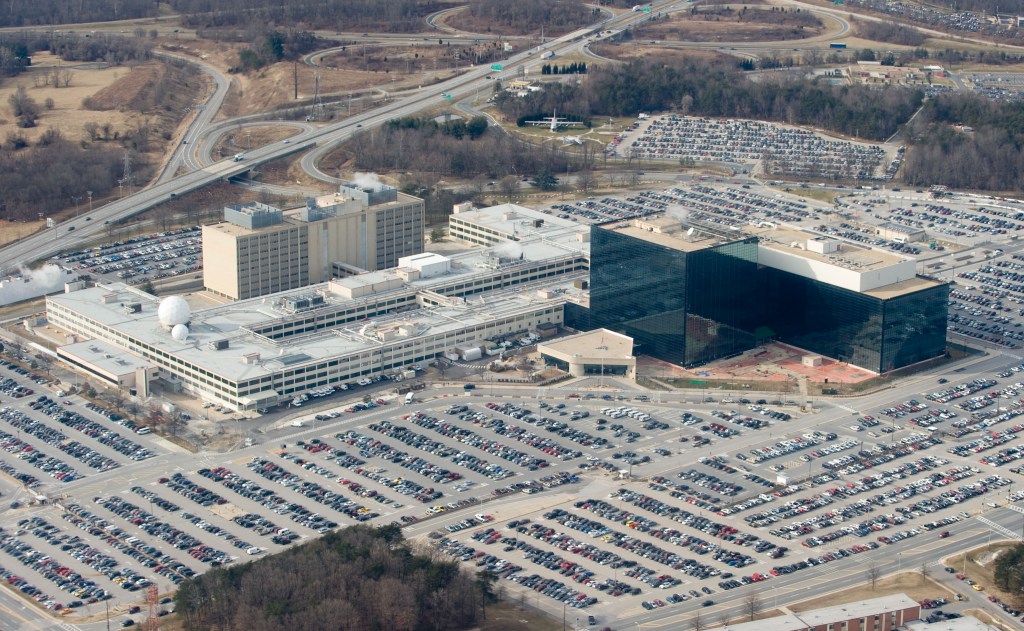
NSA’s transformation from secret agency to public cybercrime warrior
Transparency is precisely what American industrial leaders and the general public need to develop active whole-of-society defenses.
-

How to end China’s chokehold on the Pentagon’s supply chains
Countless China-based firms remain deeply embedded in Defense Department supply chains across 12 critical technologies.