-

House bill would allow companies to directly respond to cyberattacks
The U.S. House of Representatives has floated what is titled the “Active Cyber Defense Certainty Act,” which basically allows companies experiencing a cyberattack to hack back.
-

The Pentagon’s innovative approach and cyber implications
With so much taking place in the technology environment, the Department of Defense recently made a strategic move to more aggressively pursue the capabilities and solutions these emerging technologies offer.
-
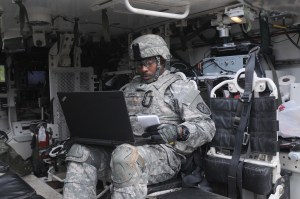
Our nation at risk: New and deeply concerning numbers
Are we moving ahead at a sufficient pace to adequately secure our sensitive military, intelligence and government systems, as well as our critical infrastructure?
-
External cybersecurity integration a huge challenge
Protecting and defending the weakest in your connected environment is a much bigger challenge than many realize.
-

A global cyberwar on politics and government
All governments must take aggressive action to minimize cyberthreats and ensure the integrity of their political processes.
-

Projected cyber issues for 2017
What are the significant cyber issues that the new administration is likely to face?
-

Artifical intelligence-based cybersecurity
Some believe that AI efforts must be accelerated given that the demand for cybersecurity professionals is far outpacing the supply — and that shortfall is projected to get worse.
-
Cyber espionage is growing in frequency and impact
The sale of sensitive information collected during cyber espionage campaigns appears to be in high demand. So are concerns that a hybrid model of cyber extortion and espionage is evolving.
-

The report is out. Now what?
Never before has cybersecurity received such broad attention and been so widely discussed. All of that is a good thing. However, it is clear there are many questions remaining.
-

Dark social: A growing cyber intel concern
Many feel we are not able to fully track dark social traffic. Could it or has it become a major source of communications among covert operatives, terrorists, activists and criminals?
-
House bill would allow companies to directly respond to cyberattacks
The U.S. House of Representatives has floated what is titled the “Active Cyber Defense Certainty Act,” which basically allows companies experiencing a cyberattack to hack back.
-
The Pentagon’s innovative approach and cyber implications
With so much taking place in the technology environment, the Department of Defense recently made a strategic move to more aggressively pursue the capabilities and solutions these emerging technologies offer.
-
Our nation at risk: New and deeply concerning numbers
Are we moving ahead at a sufficient pace to adequately secure our sensitive military, intelligence and government systems, as well as our critical infrastructure?
-
External cybersecurity integration a huge challenge
Protecting and defending the weakest in your connected environment is a much bigger challenge than many realize.
-
A global cyberwar on politics and government
All governments must take aggressive action to minimize cyberthreats and ensure the integrity of their political processes.
-
Projected cyber issues for 2017
What are the significant cyber issues that the new administration is likely to face?
-
Artifical intelligence-based cybersecurity
Some believe that AI efforts must be accelerated given that the demand for cybersecurity professionals is far outpacing the supply — and that shortfall is projected to get worse.
-
Cyber espionage is growing in frequency and impact
The sale of sensitive information collected during cyber espionage campaigns appears to be in high demand. So are concerns that a hybrid model of cyber extortion and espionage is evolving.
-
The report is out. Now what?
Never before has cybersecurity received such broad attention and been so widely discussed. All of that is a good thing. However, it is clear there are many questions remaining.
-
Dark social: A growing cyber intel concern
Many feel we are not able to fully track dark social traffic. Could it or has it become a major source of communications among covert operatives, terrorists, activists and criminals?
-

House bill would allow companies to directly respond to cyberattacks
The U.S. House of Representatives has floated what is titled the “Active Cyber Defense Certainty Act,” which basically allows companies experiencing a cyberattack to hack back.
-

The Pentagon’s innovative approach and cyber implications
With so much taking place in the technology environment, the Department of Defense recently made a strategic move to more aggressively pursue the capabilities and solutions these emerging technologies offer.
-
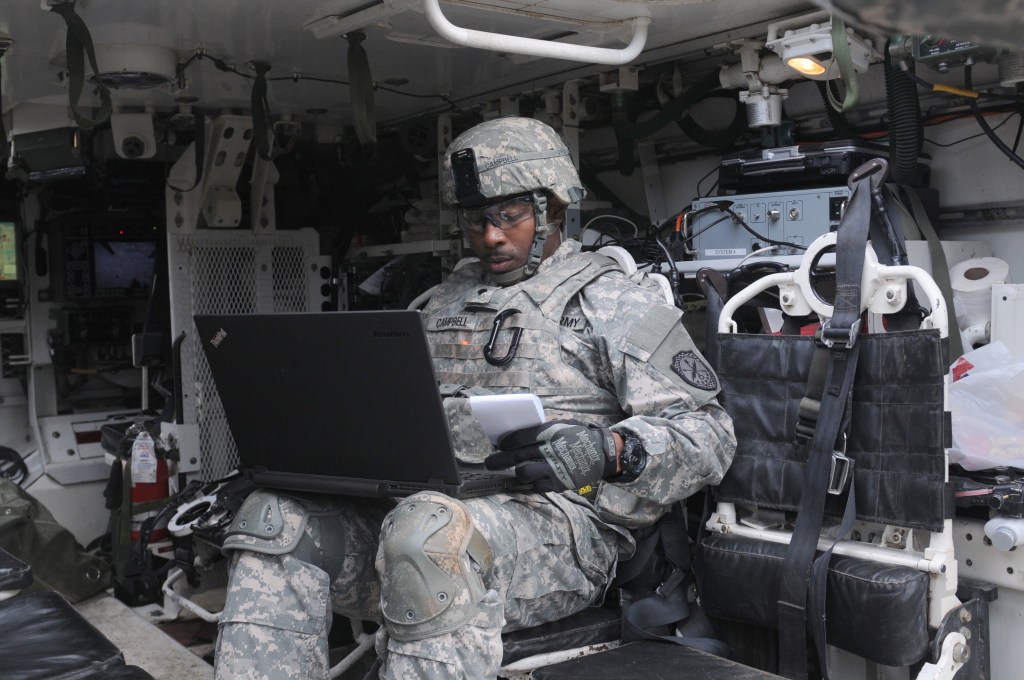
Our nation at risk: New and deeply concerning numbers
Are we moving ahead at a sufficient pace to adequately secure our sensitive military, intelligence and government systems, as well as our critical infrastructure?
-
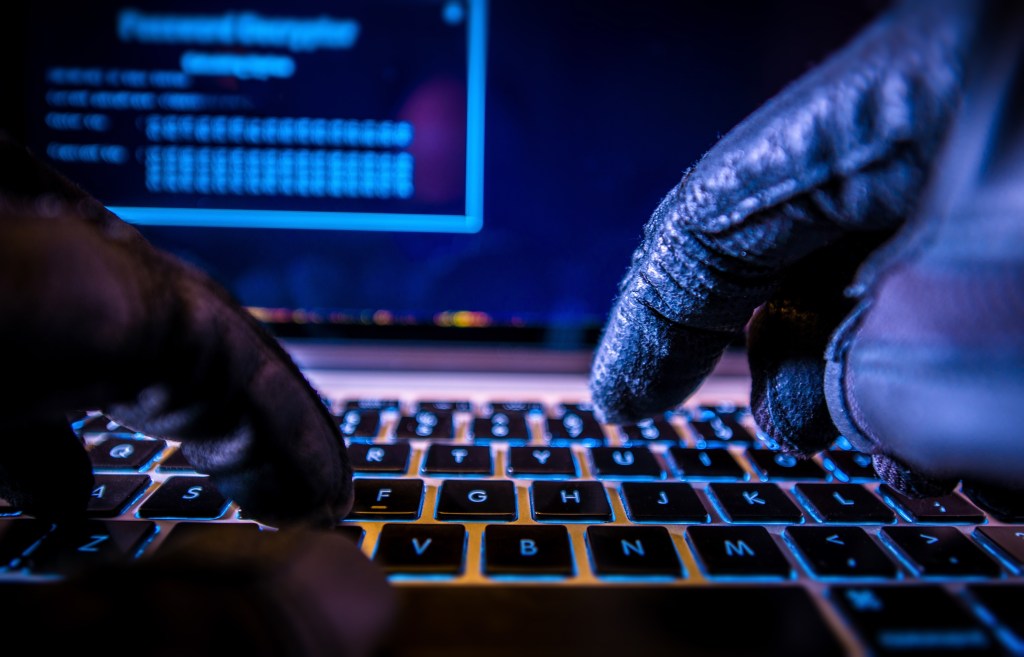
External cybersecurity integration a huge challenge
Protecting and defending the weakest in your connected environment is a much bigger challenge than many realize.
-
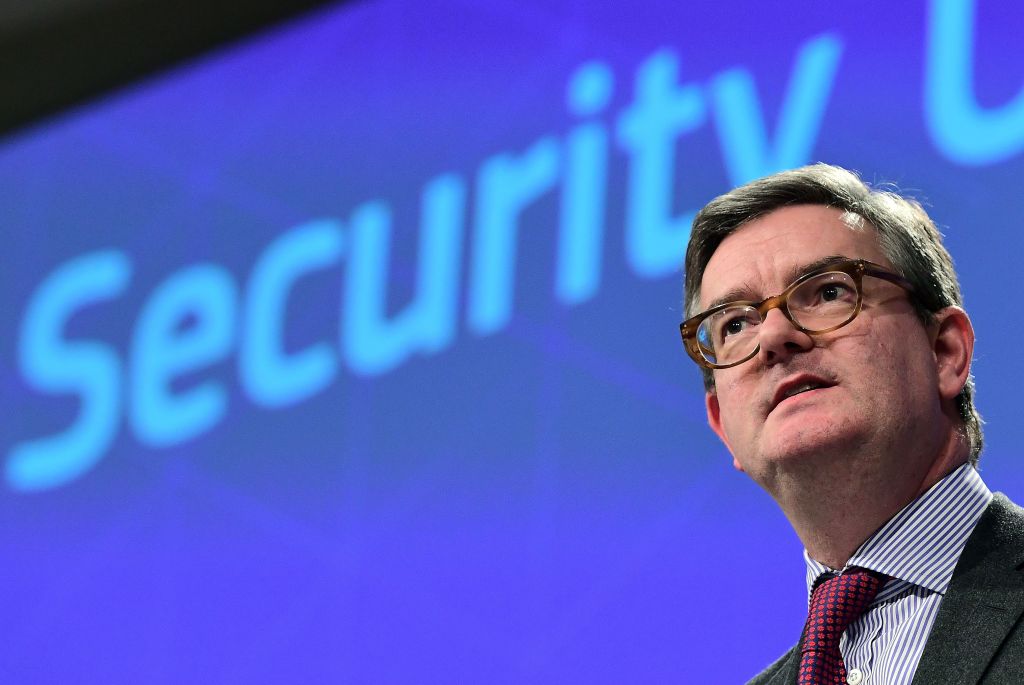
A global cyberwar on politics and government
All governments must take aggressive action to minimize cyberthreats and ensure the integrity of their political processes.
-

Projected cyber issues for 2017
What are the significant cyber issues that the new administration is likely to face?
-

Artifical intelligence-based cybersecurity
Some believe that AI efforts must be accelerated given that the demand for cybersecurity professionals is far outpacing the supply — and that shortfall is projected to get worse.
-
Cyber espionage is growing in frequency and impact
The sale of sensitive information collected during cyber espionage campaigns appears to be in high demand. So are concerns that a hybrid model of cyber extortion and espionage is evolving.
-

The report is out. Now what?
Never before has cybersecurity received such broad attention and been so widely discussed. All of that is a good thing. However, it is clear there are many questions remaining.
-

Dark social: A growing cyber intel concern
Many feel we are not able to fully track dark social traffic. Could it or has it become a major source of communications among covert operatives, terrorists, activists and criminals?