
-

Watch AUSA 2026 Day 2: Live
Catch interviews, events, and all the action from the show floor right here.
-
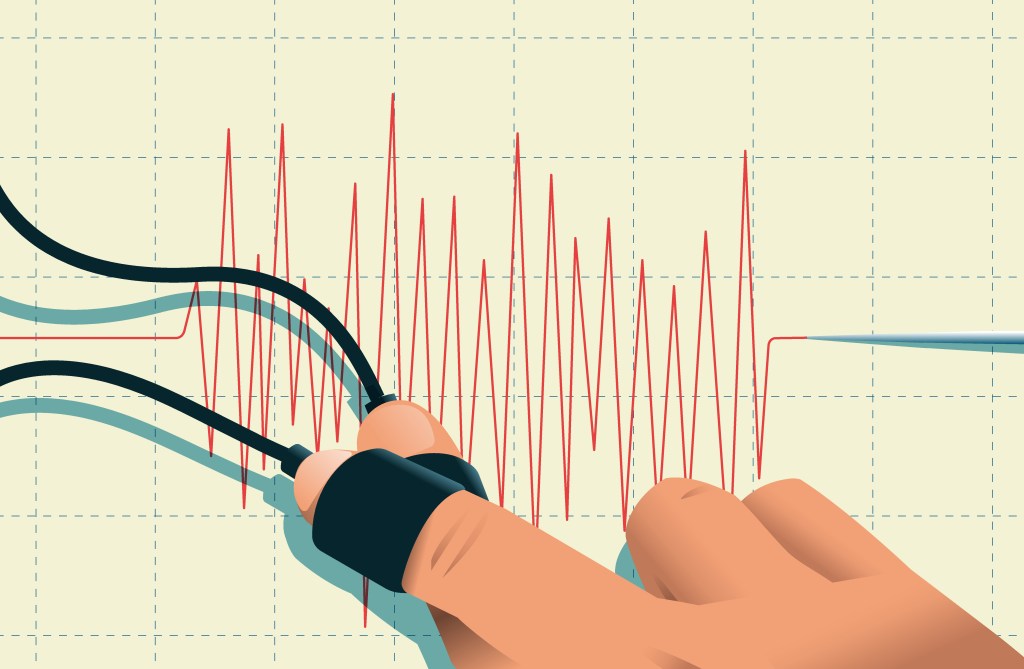
Has the Pentagon given up on AI polygraph analysis of loyalty?
AI-aided scanning of speech patterns, vocal stress or facial expressions to read minds lacks scientific backing and will compound errors, critics argue.
-
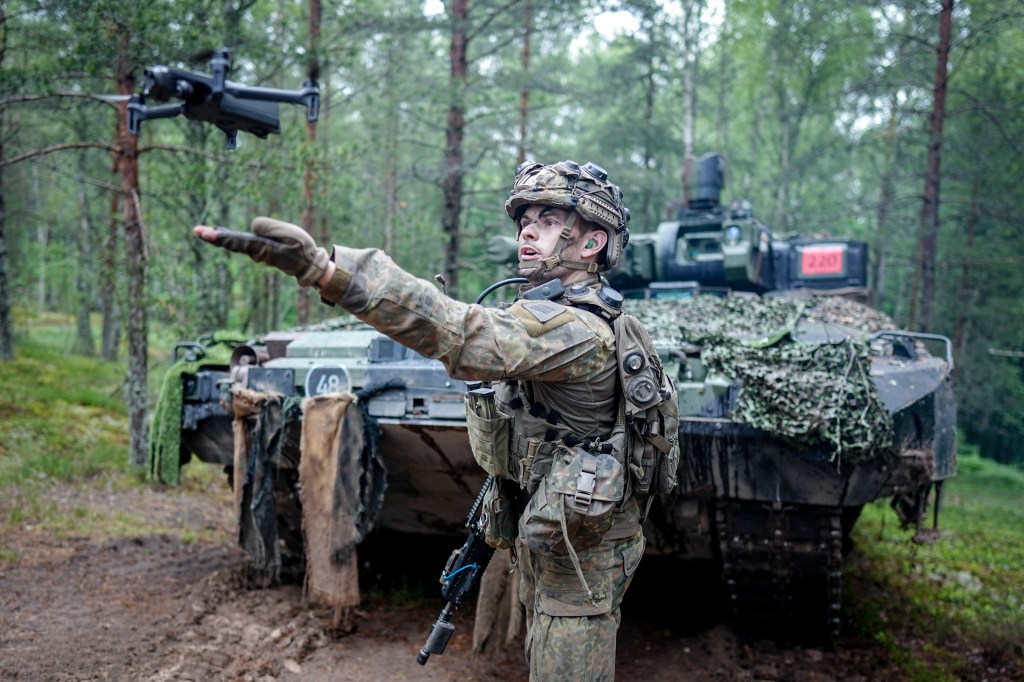
Germany to set up first drone regiment next year, modeled after Ukraine war lessons
Germany plans to stand up its first dedicated drone regiment next year, Defense Minister Boris Pistorius has announced.

SPECIAL FEATURES

Space
-

Europe’s push to reduce US reliance is reshaping the defense space market
Spooked by U.S. restrictions on satellite data access during recent crises, European countries are scrambling to catch up on sovereign capabilities.
Artificial Intelligence
-

VA inventory report reveals 367 AI systems operating in healthcare, benefits and services
A recently released report catalogs AI uses across the VA, from clinical tools used during patient care to systems that help process benefits.
-
The unlikely role of Operation Epic Fury in a Mississippi AI data center lawsuit
-
Ukraine’s defense AI chief predicts ‘new paradigm’ of warfare
-
AI companies have a responsibility to safeguard models against exploitation, Pentagon chief technology officer says
-
AI tool has ‘saved a lot of aircraft’ in Epic Fury, AFSOC chief says
VIDEOS
-
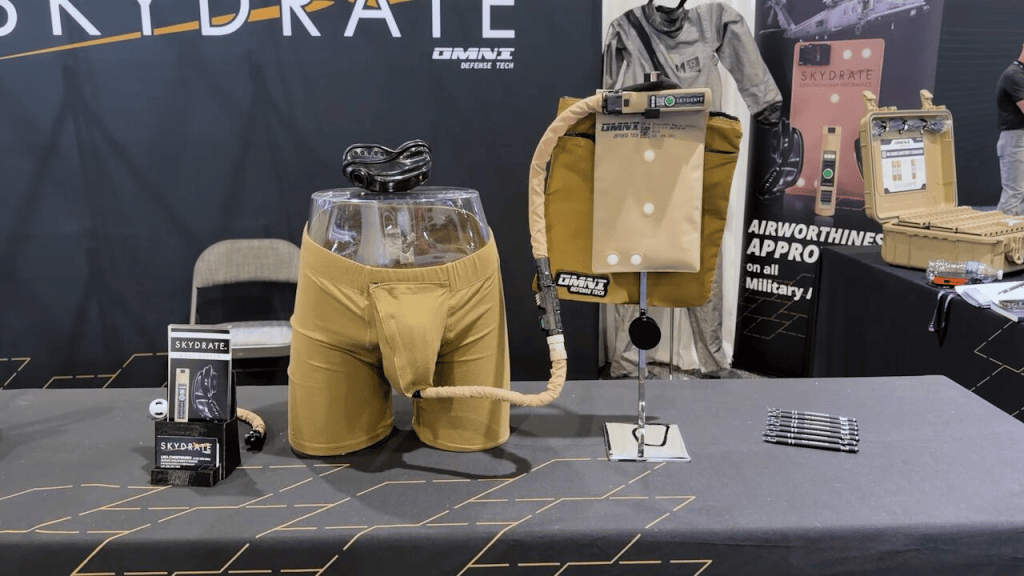
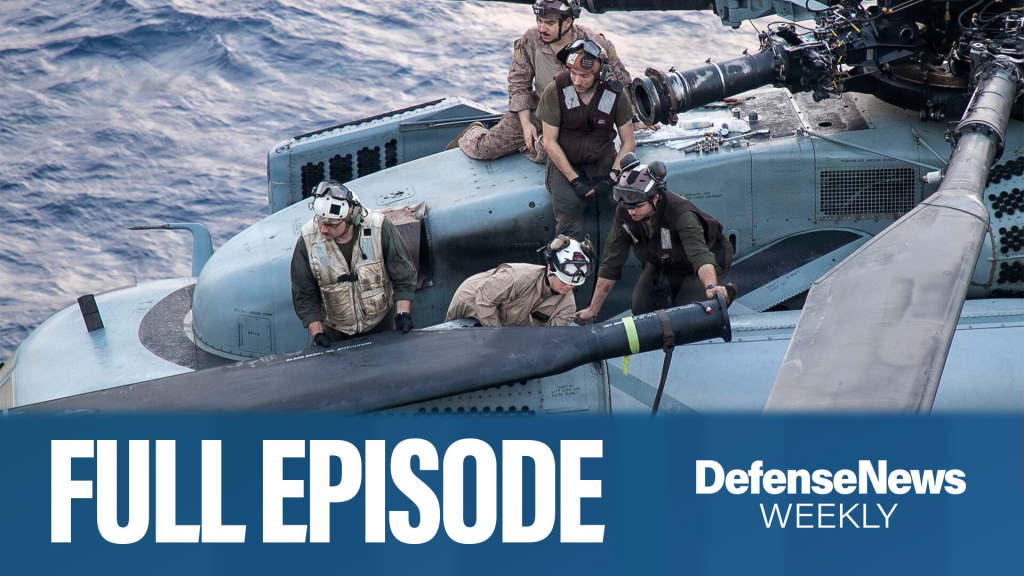
Better weapons, new berets and personal comfort | Defense News Weekly Full Episode 10.13.2
From urine collection systems to updated weaponry and even a new beret for EOD airmen, a bevy of updates could be headed for troops across the military.
Featured Videos




Cyber
-

German firm Hensoldt acquires UK radar maker
The terms of the deal have not been made public, but Hensoldt said subject to regulatory approval it hoped to close the takeover by the end of September.
Electronic Warfare
-
Europe’s push to reduce US reliance is reshaping the defense space market
Spooked by U.S. restrictions on satellite data access during recent crises, European countries are scrambling to catch up on sovereign capabilities.
More Stories
-
White House names Navy acquisition chief
Guertin previously worked for the Navy and led submarine test and evaluation, naval open architecture, and prototyping and experimentation efforts.
-
Washington must act to build capable federal cybersecurity workforce
As technology and adversary techniques advance, so do the technical skills required by the federal workforce at all levels
-
Simulation sandbox can speed development of uncrewed military vehicles
AI-based simulations can shorten testing periods by running thousands of different scenarios simultaneously.
-
Futures Command faces identity crisis as Army shifts mission
Top Army officials are rethinking Futures Command, shifting it from an organization with control over investment decisions to an advisory body.
-
Spanish, German companies start work on hypersonic missile interceptor
The European Union’s burgeoning defense bureaucracy is breeding two related efforts aimed at shooting down sophisticated aerial threats in the future.
-
Can AI spot active shooters?
The Air Force is looking at a company called ZeroEyes to help notify Security Forces of armed intruders on base and facility perimeters.
-
Military, veterans learn to fight disinformation campaigns
Over the past several years, disinformation, or the intentional deployment of false information for malicious ends, has emerged as a critical threat.
-
Iran briefly seizes 2 US Navy sea drones in Red Sea amid tensions
Two U.S. Navy destroyers, as well as helicopters, responded and called the Iranian destroyer to release the drones, which they did.
-
Pentagon seeks commercial tech for hypersonic test vehicle
DIU is seeking proposals from commercial industry for a hypersonic test aircraft to help alleviate the strain on DoD testing infrastracture.
-
French Navy takes delivery of new mini-drones for reconnaissance
The catapult-launched aircraft can operate autonomously for three hours in a 50 kilometer (27 mile) range, per the manufacturer.
-
Small businesses securing US industry need more aid, not less
Letting SBIR expire would have existential consequences for the U.S. Department of Defense and the tech industry serving it.