-
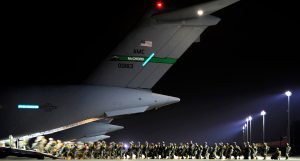
Elite 6 C2/Comms Winner: Delivering critical updates, airborne
WIN-T Inc. 1 Enroute Mission Command allows receipt of critical command, control and intelligence information that will enhance situational awareness and mission success upon arrival at the intended location.
-
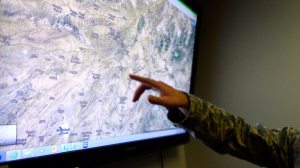
Elite 6 GEOINT Winner: Crowdsourcing disaster response
Through the National Geospatial-Intelligence Agency’s NSG Mapping Enclave, known as NOME, crowdsourcing campaigns have had a positive effect on NGA’s humanitarian relief and disaster response and special mission planning efforts.
-
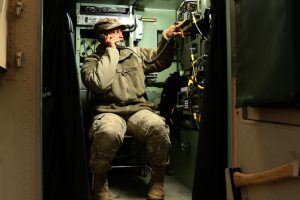
Army network strategy evolving beyond counterinsurgency
As the U.S. Army transitions from counterinsurgency fights to preparing for near-peer threats, its network communications strategy is at a crossroads, according to Army officials.
-
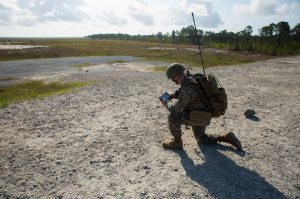
Elite 6 Mobility Winner: Tracking friend or foe in the palm of your hand
With the new version of the Target Handoff System, Marines will obtain a lightweight device equipped to provide immediate situational awareness on where friendly and enemy locations are, and the ability to hand off target data to fire support to get quick effects on the battlefield.
-
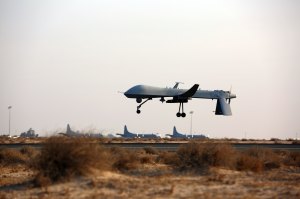
Elite 6 UAS/ISR/Sensors Winner: The intel backbone of strike operations
The 497th Intelligence, Surveillance and Reconnaissance Group (DGS-1) provides near-real time, high-confidence, ISR to forward-operating joint force and component commanders and warfighters. Their actions directed 193 operations and 352 deliberate and dynamic strikes, resulting in 445 confirmed insurgents removed from the battlefield.
-

Elite 6 IT/Networks Winner: Cloud computing inside the military gates
The Army Private Cloud Enterprise represents the first time the Army has contracted with a private company to run a large-scale data center inside the gates of a military installation.
-
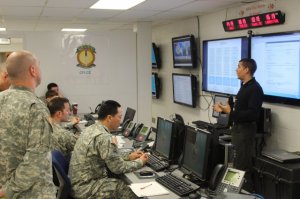
Elite 6 Cyber Winner: Training a force to operate in cyberspace
Training a force to operate in cyberspace, a significantly more complex and dynamic environment than other domains, has caused substantial changes in how the Army views traditional training models.
-

Navy: Cyber resilience also means having a plan to operate without a network
Defending the Navy’s networks in cyberspace isn’t always about leveraging the latest innovative technology.
-

Marine Corps owes the nation 4 more cyber teams
The Marine Corps has nine fully operational cyber teams defending networks and conducting operations in cyberspace, but it’s not done building.
-

A force in flux: Military adjusts to emergent domains of warfare
New cyber and electronic warfare capabilities are forcing a hard look at military structure.
-
Elite 6 C2/Comms Winner: Delivering critical updates, airborne
WIN-T Inc. 1 Enroute Mission Command allows receipt of critical command, control and intelligence information that will enhance situational awareness and mission success upon arrival at the intended location.
-
Elite 6 GEOINT Winner: Crowdsourcing disaster response
Through the National Geospatial-Intelligence Agency’s NSG Mapping Enclave, known as NOME, crowdsourcing campaigns have had a positive effect on NGA’s humanitarian relief and disaster response and special mission planning efforts.
-
Army network strategy evolving beyond counterinsurgency
As the U.S. Army transitions from counterinsurgency fights to preparing for near-peer threats, its network communications strategy is at a crossroads, according to Army officials.
-
Elite 6 Mobility Winner: Tracking friend or foe in the palm of your hand
With the new version of the Target Handoff System, Marines will obtain a lightweight device equipped to provide immediate situational awareness on where friendly and enemy locations are, and the ability to hand off target data to fire support to get quick effects on the battlefield.
-
Elite 6 UAS/ISR/Sensors Winner: The intel backbone of strike operations
The 497th Intelligence, Surveillance and Reconnaissance Group (DGS-1) provides near-real time, high-confidence, ISR to forward-operating joint force and component commanders and warfighters. Their actions directed 193 operations and 352 deliberate and dynamic strikes, resulting in 445 confirmed insurgents removed from the battlefield.
-
Elite 6 IT/Networks Winner: Cloud computing inside the military gates
The Army Private Cloud Enterprise represents the first time the Army has contracted with a private company to run a large-scale data center inside the gates of a military installation.
-
Elite 6 Cyber Winner: Training a force to operate in cyberspace
Training a force to operate in cyberspace, a significantly more complex and dynamic environment than other domains, has caused substantial changes in how the Army views traditional training models.
-
Navy: Cyber resilience also means having a plan to operate without a network
Defending the Navy’s networks in cyberspace isn’t always about leveraging the latest innovative technology.
-
Marine Corps owes the nation 4 more cyber teams
The Marine Corps has nine fully operational cyber teams defending networks and conducting operations in cyberspace, but it’s not done building.
-
A force in flux: Military adjusts to emergent domains of warfare
New cyber and electronic warfare capabilities are forcing a hard look at military structure.
-
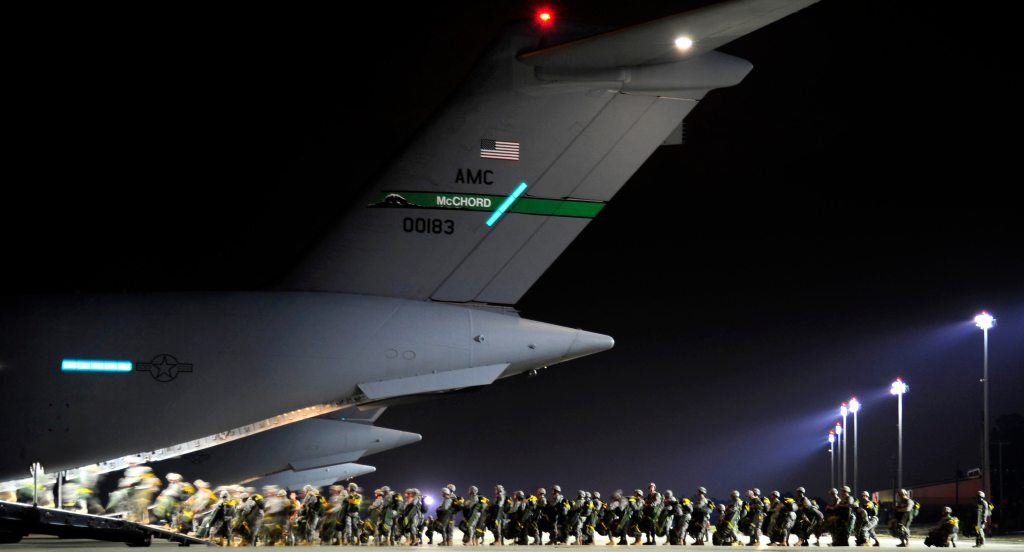
Elite 6 C2/Comms Winner: Delivering critical updates, airborne
WIN-T Inc. 1 Enroute Mission Command allows receipt of critical command, control and intelligence information that will enhance situational awareness and mission success upon arrival at the intended location.
-
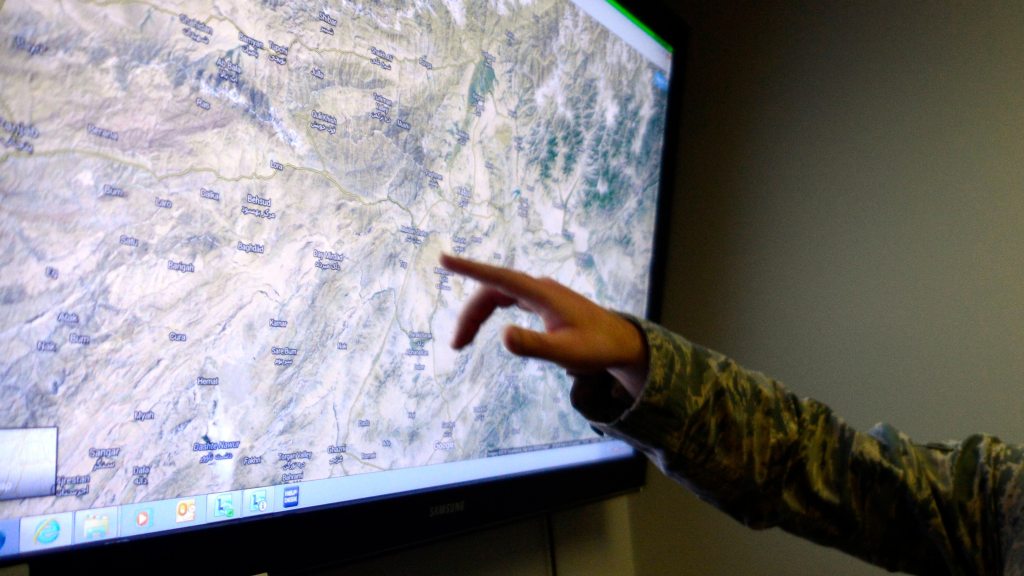
Elite 6 GEOINT Winner: Crowdsourcing disaster response
Through the National Geospatial-Intelligence Agency’s NSG Mapping Enclave, known as NOME, crowdsourcing campaigns have had a positive effect on NGA’s humanitarian relief and disaster response and special mission planning efforts.
-
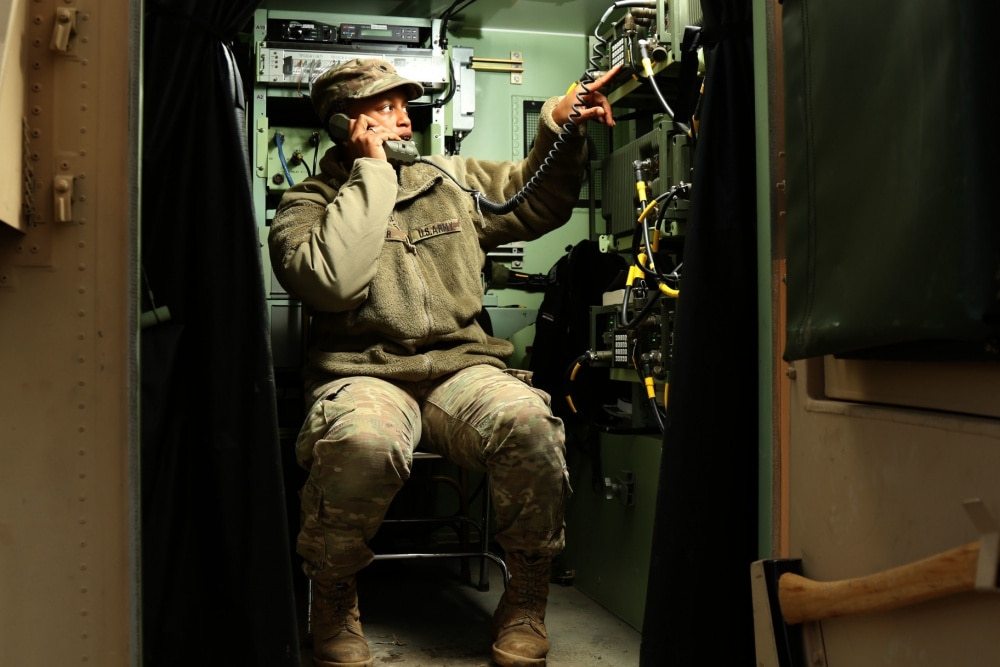
Army network strategy evolving beyond counterinsurgency
As the U.S. Army transitions from counterinsurgency fights to preparing for near-peer threats, its network communications strategy is at a crossroads, according to Army officials.
-
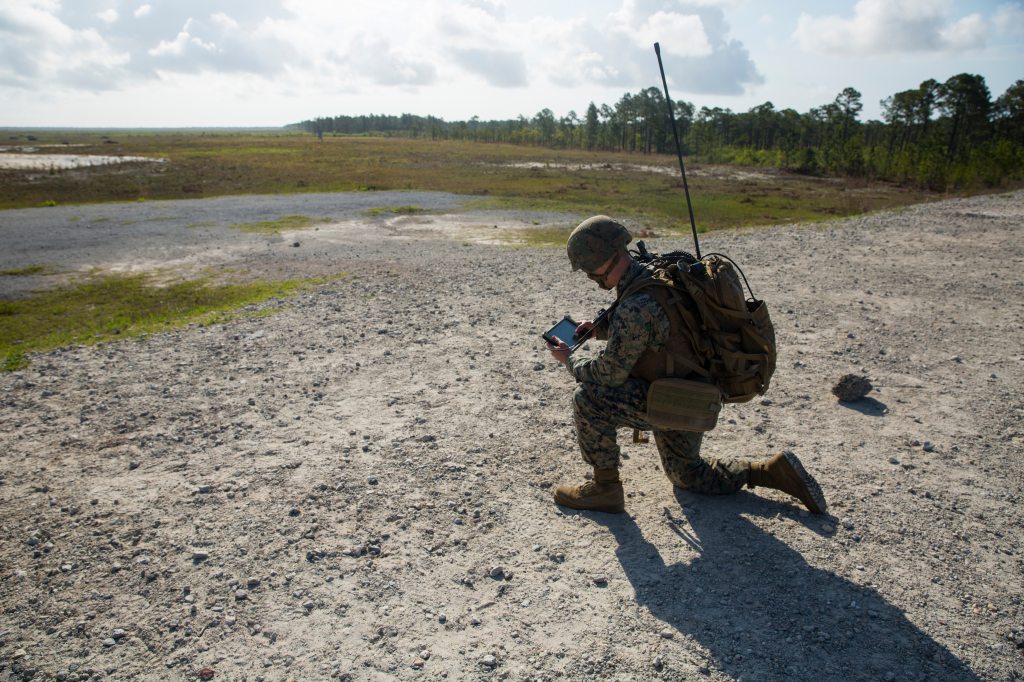
Elite 6 Mobility Winner: Tracking friend or foe in the palm of your hand
With the new version of the Target Handoff System, Marines will obtain a lightweight device equipped to provide immediate situational awareness on where friendly and enemy locations are, and the ability to hand off target data to fire support to get quick effects on the battlefield.
-
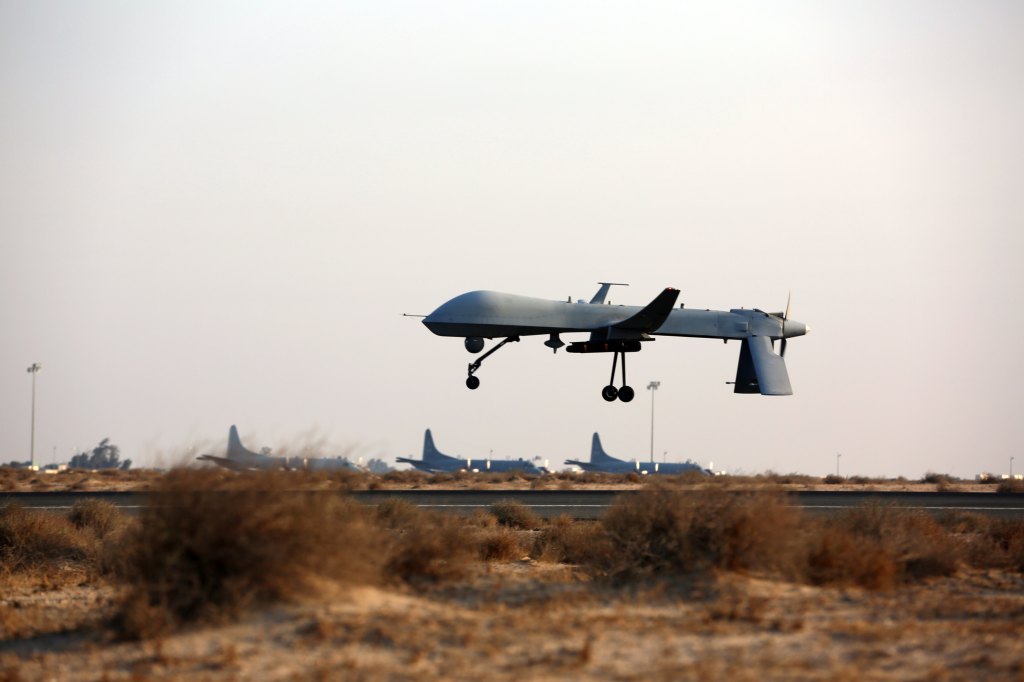
Elite 6 UAS/ISR/Sensors Winner: The intel backbone of strike operations
The 497th Intelligence, Surveillance and Reconnaissance Group (DGS-1) provides near-real time, high-confidence, ISR to forward-operating joint force and component commanders and warfighters. Their actions directed 193 operations and 352 deliberate and dynamic strikes, resulting in 445 confirmed insurgents removed from the battlefield.
-

Elite 6 IT/Networks Winner: Cloud computing inside the military gates
The Army Private Cloud Enterprise represents the first time the Army has contracted with a private company to run a large-scale data center inside the gates of a military installation.
-
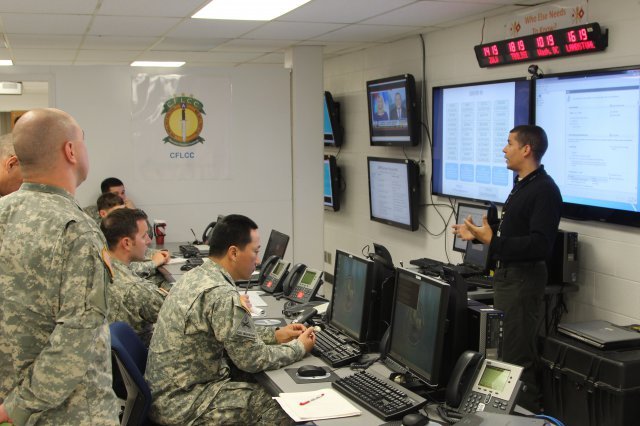
Elite 6 Cyber Winner: Training a force to operate in cyberspace
Training a force to operate in cyberspace, a significantly more complex and dynamic environment than other domains, has caused substantial changes in how the Army views traditional training models.
-
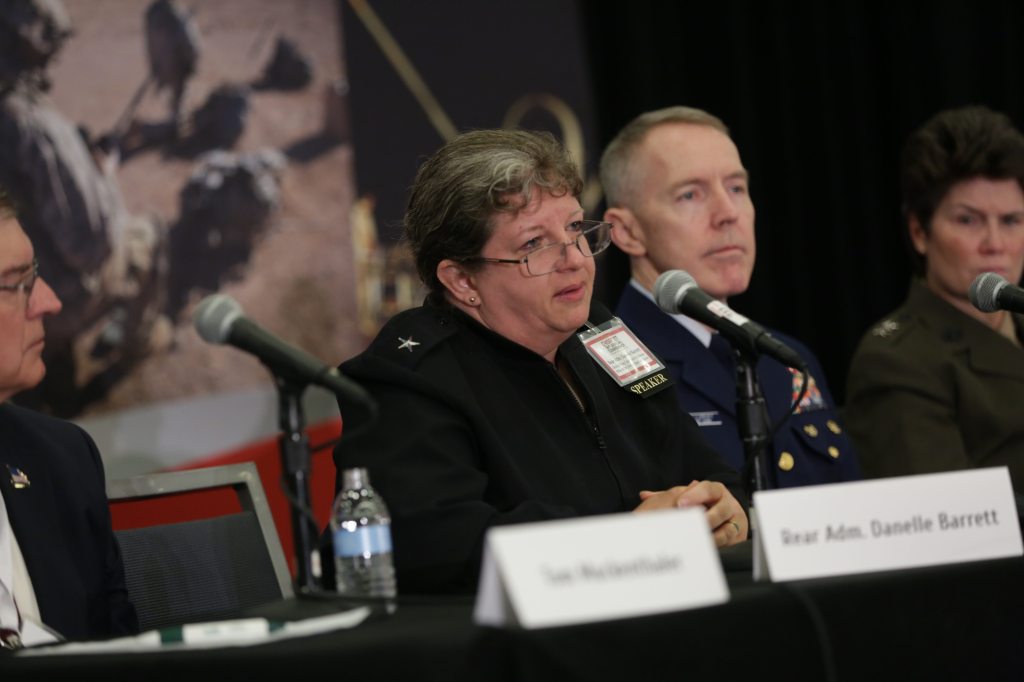
Navy: Cyber resilience also means having a plan to operate without a network
Defending the Navy’s networks in cyberspace isn’t always about leveraging the latest innovative technology.
-
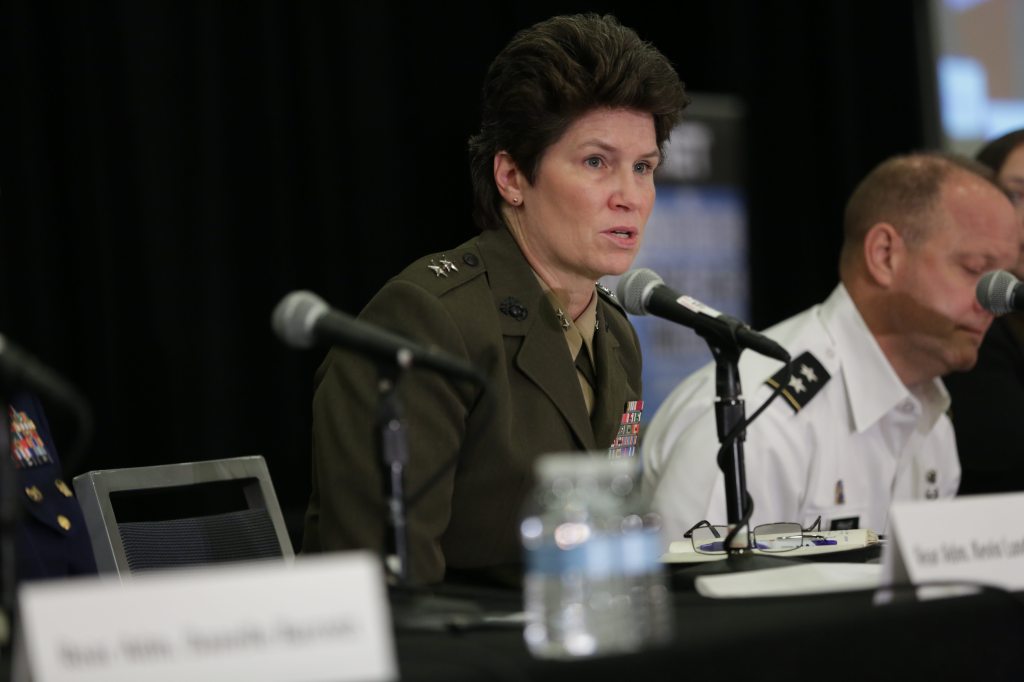
Marine Corps owes the nation 4 more cyber teams
The Marine Corps has nine fully operational cyber teams defending networks and conducting operations in cyberspace, but it’s not done building.
-

A force in flux: Military adjusts to emergent domains of warfare
New cyber and electronic warfare capabilities are forcing a hard look at military structure.