-
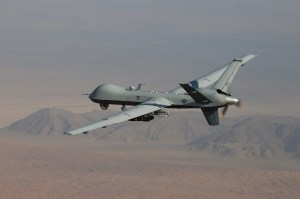
How can the Air Force crowdsource intelligence?
While the Air Force uses sophisticated, high-resolution ISR sensors, crowdsourcing intelligence at a lower, more targeted level could make intelligence more accurate.
-

Cyberthreat hunt teams would benefit from machine assistance
Automation is important for cyber defense in order to stay ahead of threats that move too quickly for human reaction; though, human hunters are of growing importance in defensive postures.
-

How to observe threats on your network
Even if threats are detected on the network, sometimes, observing them rather than expelling them can deliver a raft of insights.
-
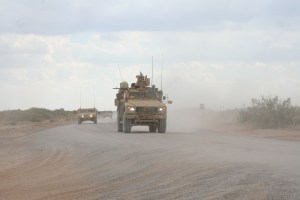
Army’s IT must be more maneuverable across domains
As the Army is moving toward the notion of multi-domain warfare, the force must be more agile to combat attacks against the network.
-

Marine Corps deputy CIO asks for help, outlines C2 strategy
Kenneth Bible, deputy CIO for the Marines Corps, outlined where he needs help from industry and described three goals of a new command and control strategy.
-

Army general: Don’t just focus on ‘the network’
Gen. Karl Gingrich, assistant program executive officer for operations, readiness and fielding at PEO C3T, offered a few thoughts on the Army’s network modernization efforts.
-

DISA director: Military still figuring out how to fight in cyberspace
Lt. Gen. Alan Lynn said DoD still has work to do to protect networks from cyberattacks.
-
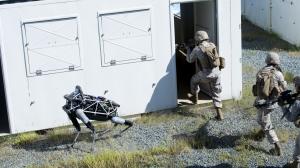
Autonomy out of necessity — not because it’s cool
The military is moving toward greater autonomy — not because it’s cool, but because it must, one official stated.
-

DoD entrenches bug bounty program
The Defense Department announced a new contract to help various components and service branches launch bug bounty challenges.
-

Developing tools for battlefield success
CERDEC is coming up with new ways to bolster cyber, comms and tactical networks.
-
How can the Air Force crowdsource intelligence?
While the Air Force uses sophisticated, high-resolution ISR sensors, crowdsourcing intelligence at a lower, more targeted level could make intelligence more accurate.
-
Cyberthreat hunt teams would benefit from machine assistance
Automation is important for cyber defense in order to stay ahead of threats that move too quickly for human reaction; though, human hunters are of growing importance in defensive postures.
-
How to observe threats on your network
Even if threats are detected on the network, sometimes, observing them rather than expelling them can deliver a raft of insights.
-
Army’s IT must be more maneuverable across domains
As the Army is moving toward the notion of multi-domain warfare, the force must be more agile to combat attacks against the network.
-
Marine Corps deputy CIO asks for help, outlines C2 strategy
Kenneth Bible, deputy CIO for the Marines Corps, outlined where he needs help from industry and described three goals of a new command and control strategy.
-
Army general: Don’t just focus on ‘the network’
Gen. Karl Gingrich, assistant program executive officer for operations, readiness and fielding at PEO C3T, offered a few thoughts on the Army’s network modernization efforts.
-
DISA director: Military still figuring out how to fight in cyberspace
Lt. Gen. Alan Lynn said DoD still has work to do to protect networks from cyberattacks.
-
Autonomy out of necessity — not because it’s cool
The military is moving toward greater autonomy — not because it’s cool, but because it must, one official stated.
-
DoD entrenches bug bounty program
The Defense Department announced a new contract to help various components and service branches launch bug bounty challenges.
-
Developing tools for battlefield success
CERDEC is coming up with new ways to bolster cyber, comms and tactical networks.
-
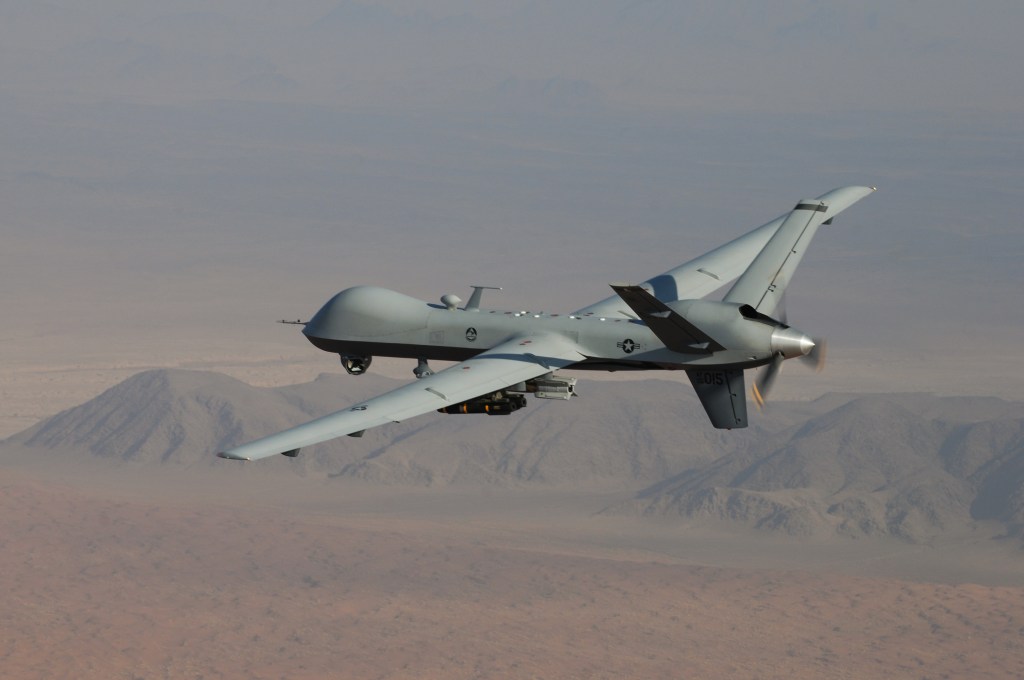
How can the Air Force crowdsource intelligence?
While the Air Force uses sophisticated, high-resolution ISR sensors, crowdsourcing intelligence at a lower, more targeted level could make intelligence more accurate.
-

Cyberthreat hunt teams would benefit from machine assistance
Automation is important for cyber defense in order to stay ahead of threats that move too quickly for human reaction; though, human hunters are of growing importance in defensive postures.
-

How to observe threats on your network
Even if threats are detected on the network, sometimes, observing them rather than expelling them can deliver a raft of insights.
-
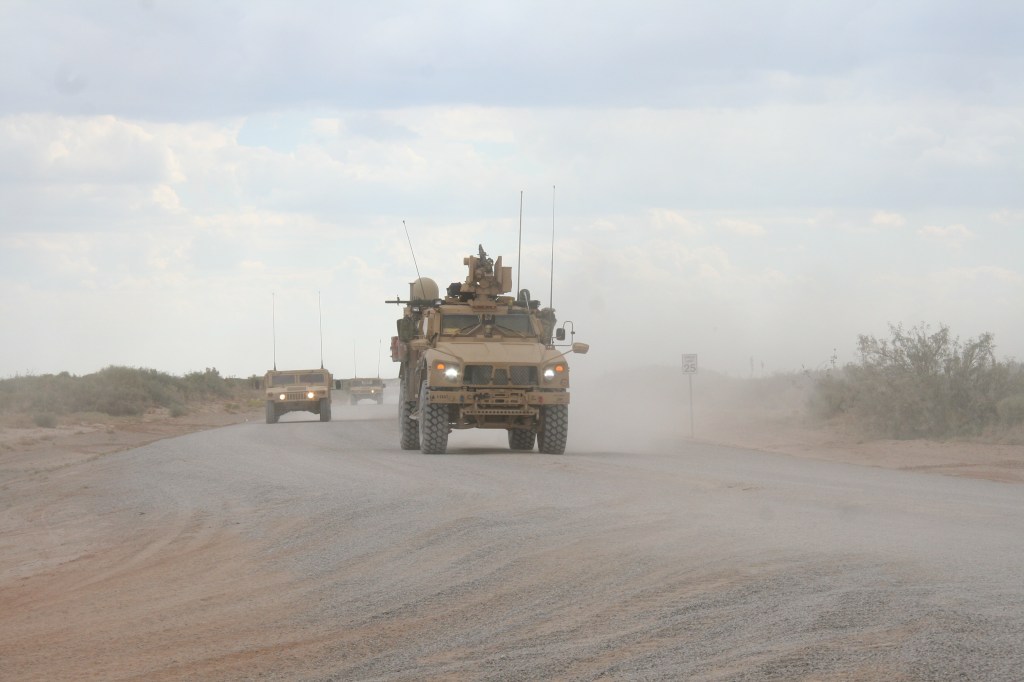
Army’s IT must be more maneuverable across domains
As the Army is moving toward the notion of multi-domain warfare, the force must be more agile to combat attacks against the network.
-

Marine Corps deputy CIO asks for help, outlines C2 strategy
Kenneth Bible, deputy CIO for the Marines Corps, outlined where he needs help from industry and described three goals of a new command and control strategy.
-
Army general: Don’t just focus on ‘the network’
Gen. Karl Gingrich, assistant program executive officer for operations, readiness and fielding at PEO C3T, offered a few thoughts on the Army’s network modernization efforts.
-

DISA director: Military still figuring out how to fight in cyberspace
Lt. Gen. Alan Lynn said DoD still has work to do to protect networks from cyberattacks.
-
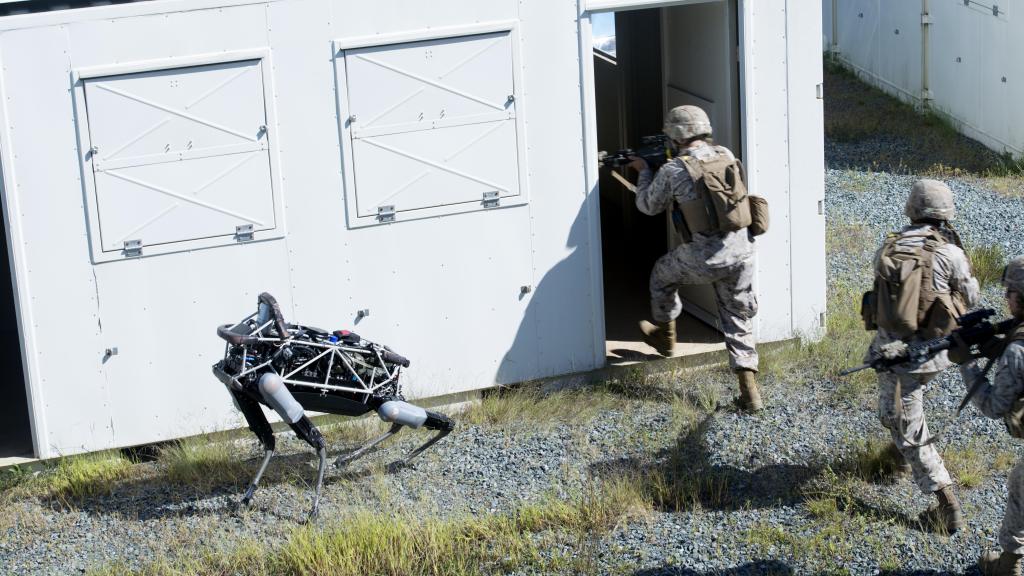
Autonomy out of necessity — not because it’s cool
The military is moving toward greater autonomy — not because it’s cool, but because it must, one official stated.
-

DoD entrenches bug bounty program
The Defense Department announced a new contract to help various components and service branches launch bug bounty challenges.
-

Developing tools for battlefield success
CERDEC is coming up with new ways to bolster cyber, comms and tactical networks.