-
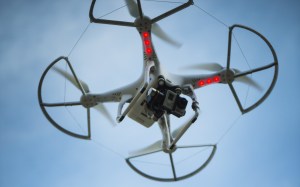
GPS interference crashed a survey drone in the UK. Will the debate resonate in the US?
Dana Goward argues that a December drone mishap in the United Kingdom may be viewed as a relatively minor event, but could have a impact on a debate over GPS interference in the United States.
-

The key to securing the defense industrial base is collaboration
It is no longer acceptable to rely on incident response protocols, performance assessments of existing systems and one-off reactions to threats without coordination. Increased information sharing is key to staying one step ahead of our adversaries.
-

Understanding Russia’s quest to rid itself of foreign tech
Will a Russian rule requiring pre-approved software to be installed on devices promote domestic innovation? Perhaps, argues Justin Sherman, but perhaps not in the way Russia expects.
-
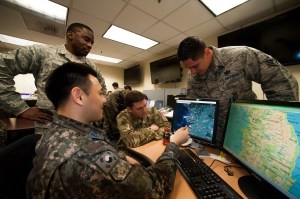
Three strategies to help the digital Air Force achieve takeoff
The Air Force must ask the question, “What data values do we want to definitely monitor?” and then expose those data values to their monitoring protocols.
-

The networks that special operators need
Airborne ISR now needs to be institutionalized into a Department wide, always available, global capability.
-

Protests, a pandemic and evidence of a hybrid war
The unrest and riots that erupted in the wake of George Floyd protests are evidence that a full-scale hybrid war is being waged against the United States, aimed at undermining their geopolitical leadership.
-

With new standards, the time to prepare is now
While it remains unclear what the full impact of COVID-19 will be on the CMMC process, defense contractors have no time to waste in preparing for this new certification.
-
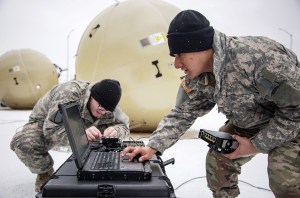
Innovation could solve the military’s radio interoperability challenge
The speed at which technology innovation can reach warfighters is critical to mission success. But in any industry, more products and services introduce complexity.
-
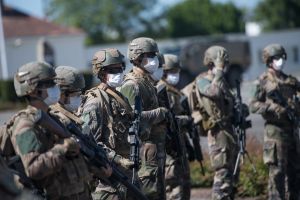
War rhetoric surrounds COVID surveillance
Technology policy has itself been warped by an overuse of misleading Cold War analogies and that’s evident in the recent language surrounding the pandemic.
-

Why agencies need to prevent a classified spillage
Classified spillage is a major focus for agencies and contractors that are responsible for protecting our national interests and one of the reasons that led the Department of Defense to establish the Cybersecurity Maturity Model Certification.
-
GPS interference crashed a survey drone in the UK. Will the debate resonate in the US?
Dana Goward argues that a December drone mishap in the United Kingdom may be viewed as a relatively minor event, but could have a impact on a debate over GPS interference in the United States.
-
The key to securing the defense industrial base is collaboration
It is no longer acceptable to rely on incident response protocols, performance assessments of existing systems and one-off reactions to threats without coordination. Increased information sharing is key to staying one step ahead of our adversaries.
-
Understanding Russia’s quest to rid itself of foreign tech
Will a Russian rule requiring pre-approved software to be installed on devices promote domestic innovation? Perhaps, argues Justin Sherman, but perhaps not in the way Russia expects.
-
Three strategies to help the digital Air Force achieve takeoff
The Air Force must ask the question, “What data values do we want to definitely monitor?” and then expose those data values to their monitoring protocols.
-
The networks that special operators need
Airborne ISR now needs to be institutionalized into a Department wide, always available, global capability.
-
Protests, a pandemic and evidence of a hybrid war
The unrest and riots that erupted in the wake of George Floyd protests are evidence that a full-scale hybrid war is being waged against the United States, aimed at undermining their geopolitical leadership.
-
With new standards, the time to prepare is now
While it remains unclear what the full impact of COVID-19 will be on the CMMC process, defense contractors have no time to waste in preparing for this new certification.
-
Innovation could solve the military’s radio interoperability challenge
The speed at which technology innovation can reach warfighters is critical to mission success. But in any industry, more products and services introduce complexity.
-
War rhetoric surrounds COVID surveillance
Technology policy has itself been warped by an overuse of misleading Cold War analogies and that’s evident in the recent language surrounding the pandemic.
-
Why agencies need to prevent a classified spillage
Classified spillage is a major focus for agencies and contractors that are responsible for protecting our national interests and one of the reasons that led the Department of Defense to establish the Cybersecurity Maturity Model Certification.
-
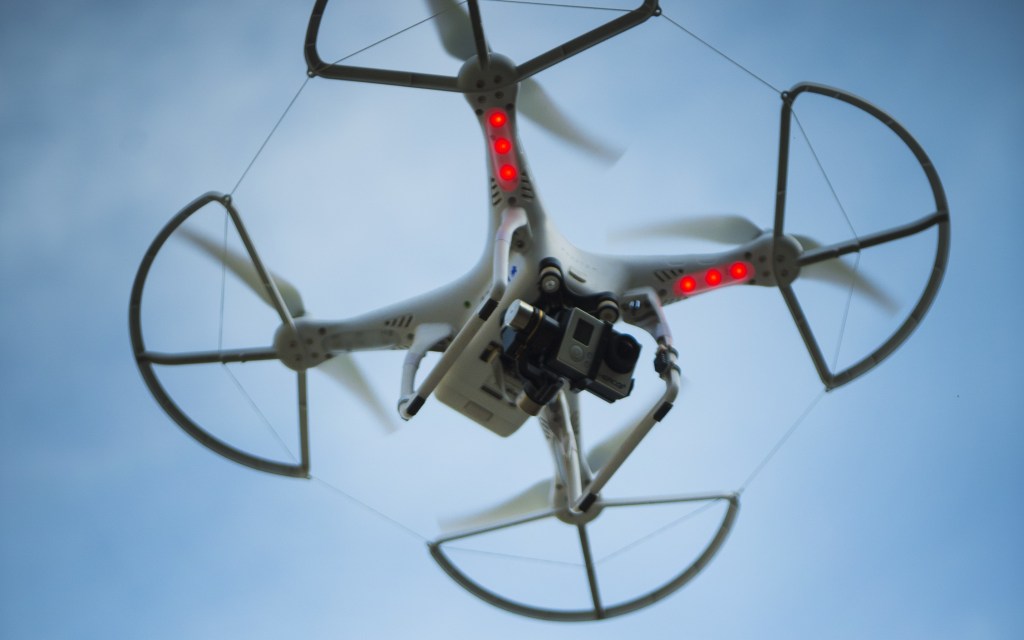
GPS interference crashed a survey drone in the UK. Will the debate resonate in the US?
Dana Goward argues that a December drone mishap in the United Kingdom may be viewed as a relatively minor event, but could have a impact on a debate over GPS interference in the United States.
-

The key to securing the defense industrial base is collaboration
It is no longer acceptable to rely on incident response protocols, performance assessments of existing systems and one-off reactions to threats without coordination. Increased information sharing is key to staying one step ahead of our adversaries.
-

Understanding Russia’s quest to rid itself of foreign tech
Will a Russian rule requiring pre-approved software to be installed on devices promote domestic innovation? Perhaps, argues Justin Sherman, but perhaps not in the way Russia expects.
-
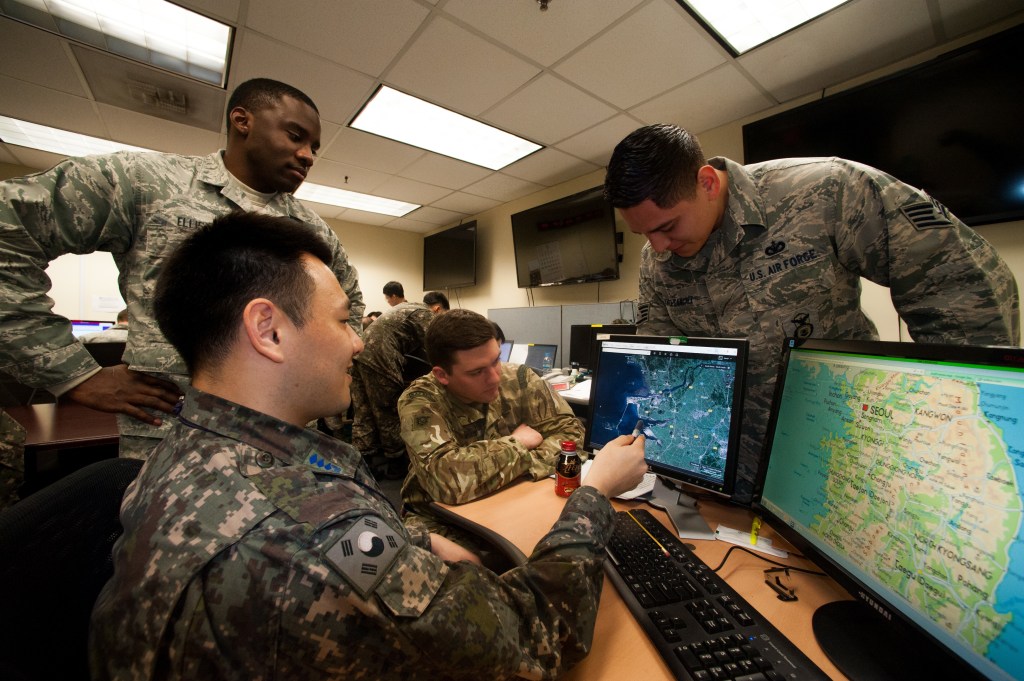
Three strategies to help the digital Air Force achieve takeoff
The Air Force must ask the question, “What data values do we want to definitely monitor?” and then expose those data values to their monitoring protocols.
-
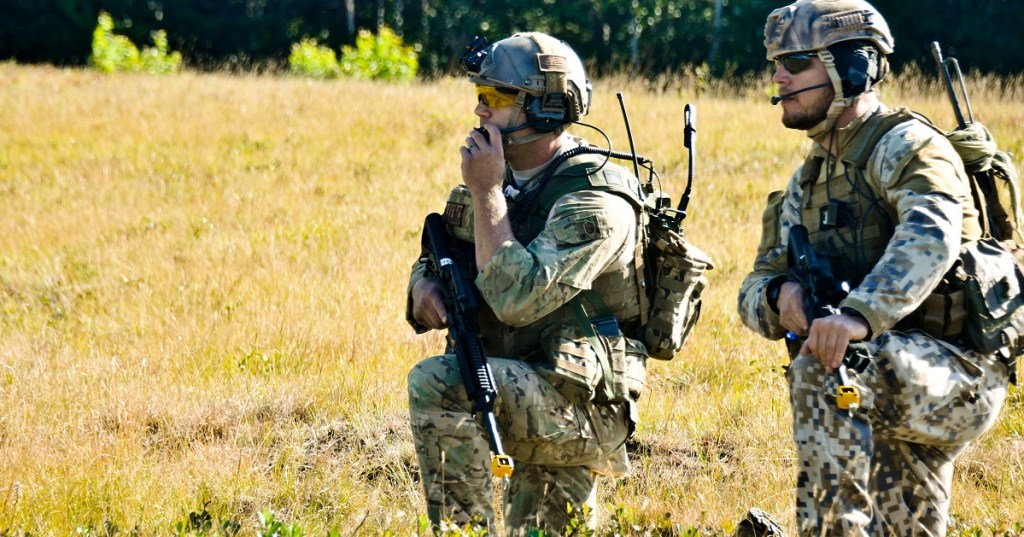
The networks that special operators need
Airborne ISR now needs to be institutionalized into a Department wide, always available, global capability.
-
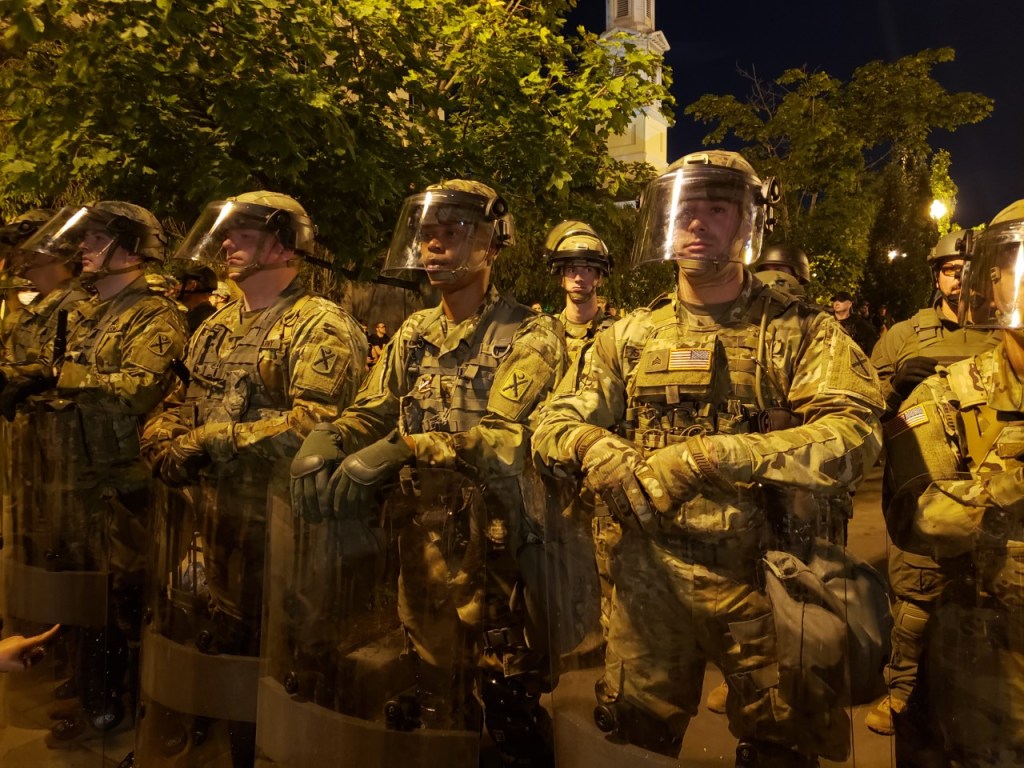
Protests, a pandemic and evidence of a hybrid war
The unrest and riots that erupted in the wake of George Floyd protests are evidence that a full-scale hybrid war is being waged against the United States, aimed at undermining their geopolitical leadership.
-

With new standards, the time to prepare is now
While it remains unclear what the full impact of COVID-19 will be on the CMMC process, defense contractors have no time to waste in preparing for this new certification.
-
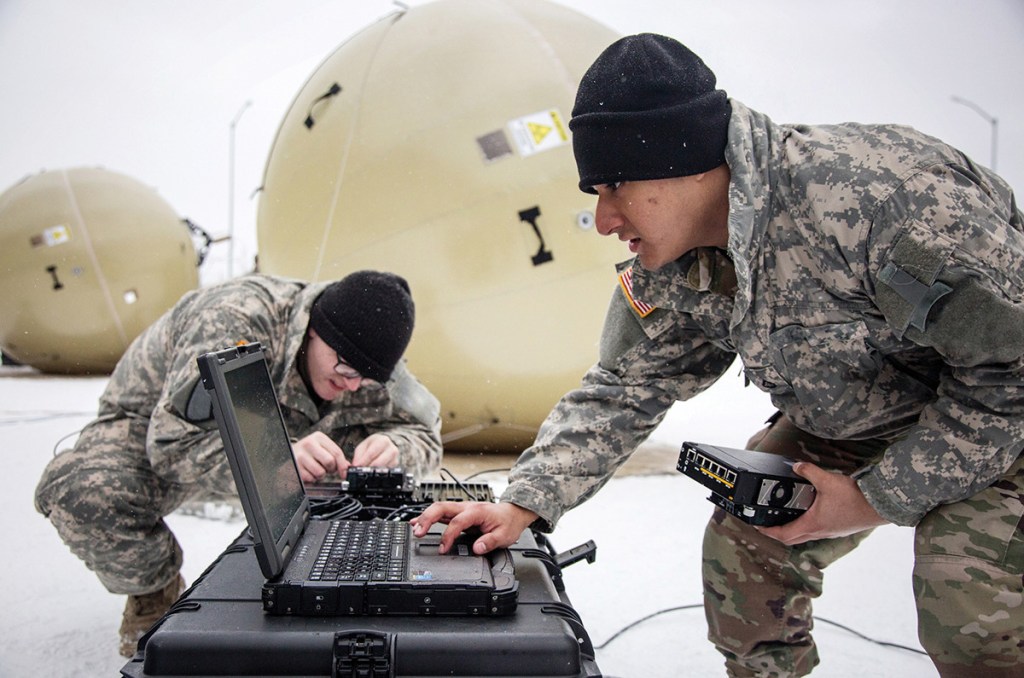
Innovation could solve the military’s radio interoperability challenge
The speed at which technology innovation can reach warfighters is critical to mission success. But in any industry, more products and services introduce complexity.
-
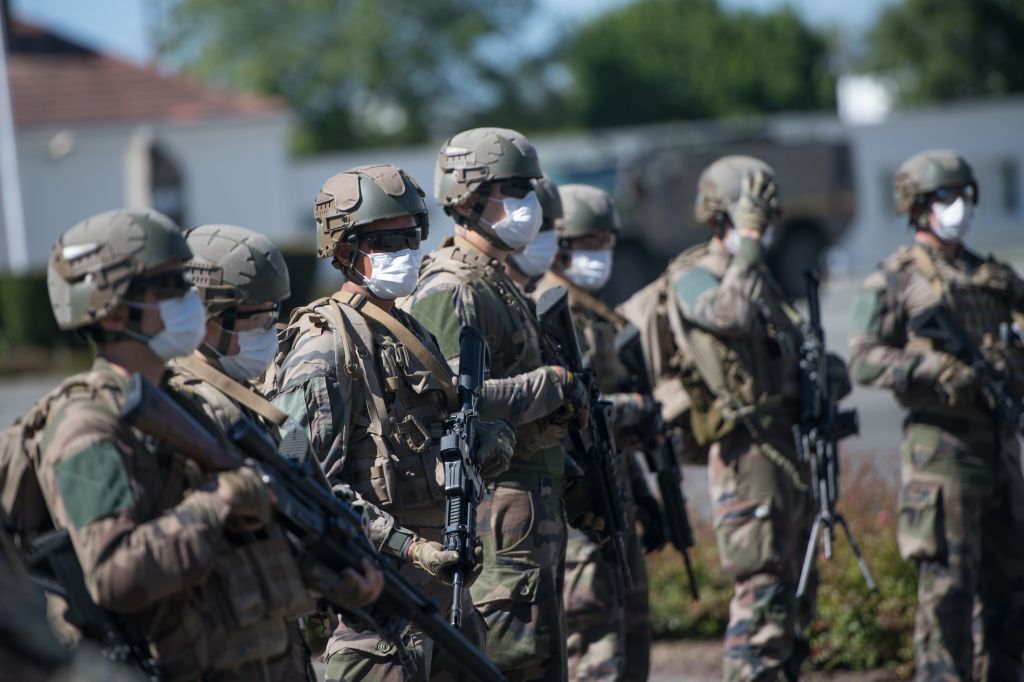
War rhetoric surrounds COVID surveillance
Technology policy has itself been warped by an overuse of misleading Cold War analogies and that’s evident in the recent language surrounding the pandemic.
-

Why agencies need to prevent a classified spillage
Classified spillage is a major focus for agencies and contractors that are responsible for protecting our national interests and one of the reasons that led the Department of Defense to establish the Cybersecurity Maturity Model Certification.