-
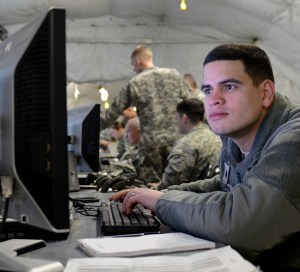
To tackle 5G, the key will be collaboration
New 5G technology offer capabilities to our warfighters, such as more data, more speed, reduced latency, and the ability to “operate through” untrusted networks that will likely be the next discriminator on the battlefield.
-
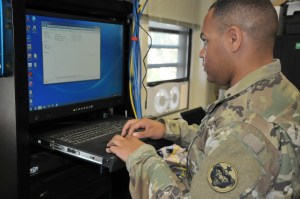
Minimizing internet outages on the battlefield
As a way to ensure network resilience, edge-based systems must understand the nature of disruptions and then decide how to best fix those interruptions.
-

NGA’s strategy to ‘see what others can’t’
Vice Adm. Robert Sharp, director of the National Geospatial-Intelligence Agency, shares his thoughts on how the agency is adapting to an evolving mission space.
-
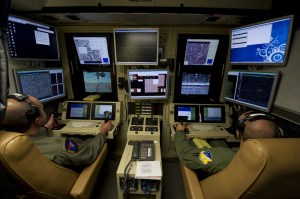
How airmen can work together for persistent ISR
The next step in the military’s shift to digital capabilities is to retool how we task, organize, and equip both intelligence collection and analytic crews.
-
How industry can take advantage of the Pentagon’s shift in research
Early stage research and development dollars, which top $20 billion in fiscal year 2020, will be increasingly critical to shape outcomes, requirements, and program choices.
-

Why the Air Force acquisition chief wants to be hacked
As software becomes increasingly important to combat capability, Will Roper, the assistant secretary of the Air Force for acquisition, technology and logistics, shares what he feels must be a top priority.
-

The Pentagon’s top AI official explains ‘computer vision’
Lt. Gen. Jack Shanahan, director of the Joint Artificial Intelligence Center, talks about drawing new lines of AI effort.
-
How the Army is modernizing the old, introducing the new
Maj. Gen. Randy Taylor, former commander of U.S. Army Communications-Electronics Command, explains the formula for sustaining critical platforms.
-
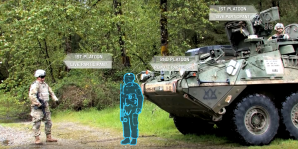
A new Army network could also help training
For the Army’s Synthetic Training Environment to work as expected, the service’s IT team should consider implementing an advanced form of network monitoring focused specifically on bandwidth optimization.
-
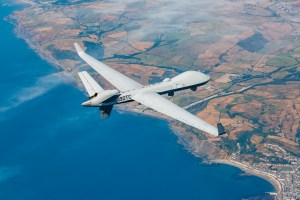
6 new capabilities powering the unmanned revolution
The unmanned aircraft revolution is underway thanks to six new capabilities.
-
To tackle 5G, the key will be collaboration
New 5G technology offer capabilities to our warfighters, such as more data, more speed, reduced latency, and the ability to “operate through” untrusted networks that will likely be the next discriminator on the battlefield.
-
Minimizing internet outages on the battlefield
As a way to ensure network resilience, edge-based systems must understand the nature of disruptions and then decide how to best fix those interruptions.
-
NGA’s strategy to ‘see what others can’t’
Vice Adm. Robert Sharp, director of the National Geospatial-Intelligence Agency, shares his thoughts on how the agency is adapting to an evolving mission space.
-
How airmen can work together for persistent ISR
The next step in the military’s shift to digital capabilities is to retool how we task, organize, and equip both intelligence collection and analytic crews.
-
How industry can take advantage of the Pentagon’s shift in research
Early stage research and development dollars, which top $20 billion in fiscal year 2020, will be increasingly critical to shape outcomes, requirements, and program choices.
-
Why the Air Force acquisition chief wants to be hacked
As software becomes increasingly important to combat capability, Will Roper, the assistant secretary of the Air Force for acquisition, technology and logistics, shares what he feels must be a top priority.
-
The Pentagon’s top AI official explains ‘computer vision’
Lt. Gen. Jack Shanahan, director of the Joint Artificial Intelligence Center, talks about drawing new lines of AI effort.
-
How the Army is modernizing the old, introducing the new
Maj. Gen. Randy Taylor, former commander of U.S. Army Communications-Electronics Command, explains the formula for sustaining critical platforms.
-
A new Army network could also help training
For the Army’s Synthetic Training Environment to work as expected, the service’s IT team should consider implementing an advanced form of network monitoring focused specifically on bandwidth optimization.
-
6 new capabilities powering the unmanned revolution
The unmanned aircraft revolution is underway thanks to six new capabilities.
-
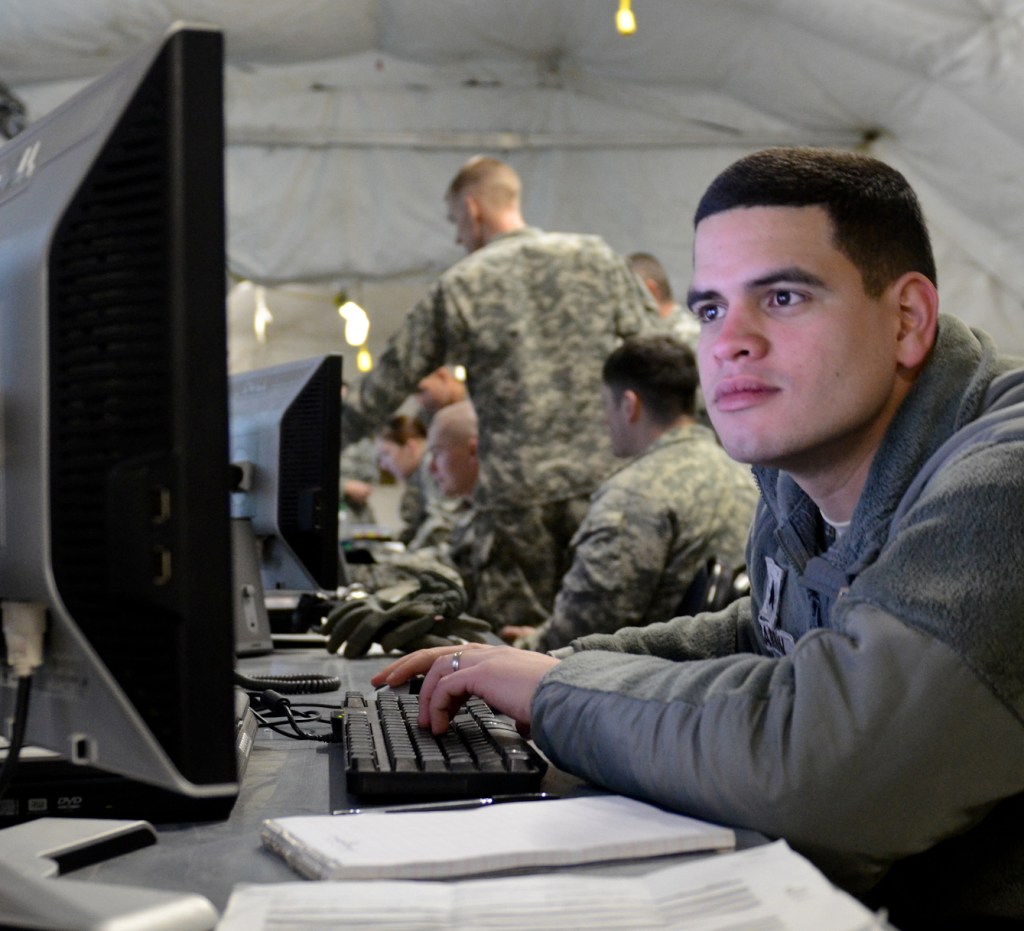
To tackle 5G, the key will be collaboration
New 5G technology offer capabilities to our warfighters, such as more data, more speed, reduced latency, and the ability to “operate through” untrusted networks that will likely be the next discriminator on the battlefield.
-
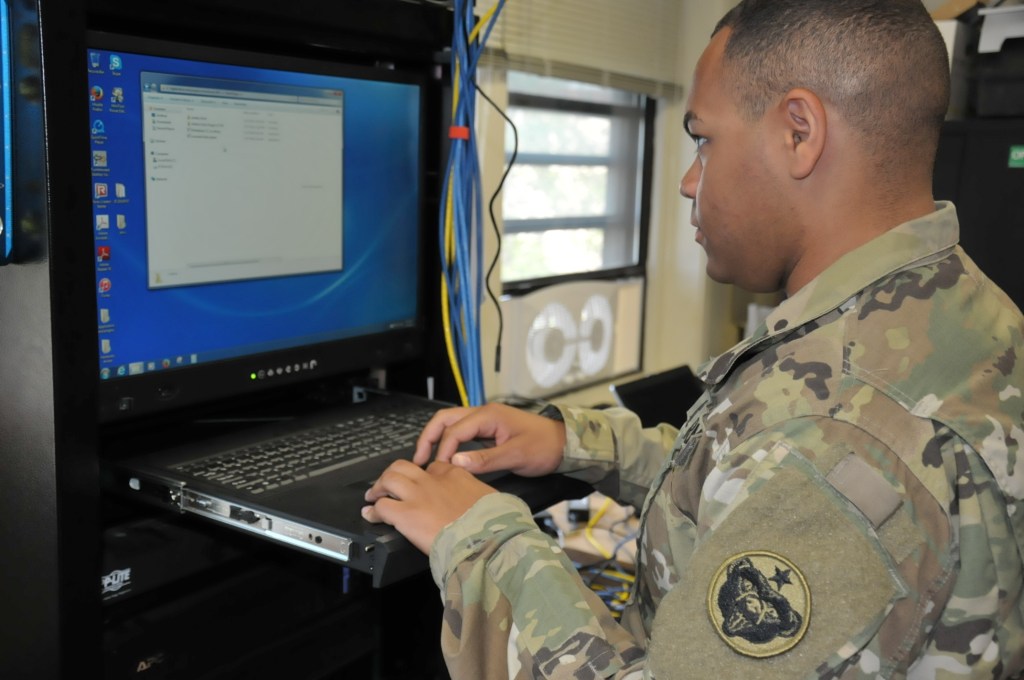
Minimizing internet outages on the battlefield
As a way to ensure network resilience, edge-based systems must understand the nature of disruptions and then decide how to best fix those interruptions.
-

NGA’s strategy to ‘see what others can’t’
Vice Adm. Robert Sharp, director of the National Geospatial-Intelligence Agency, shares his thoughts on how the agency is adapting to an evolving mission space.
-
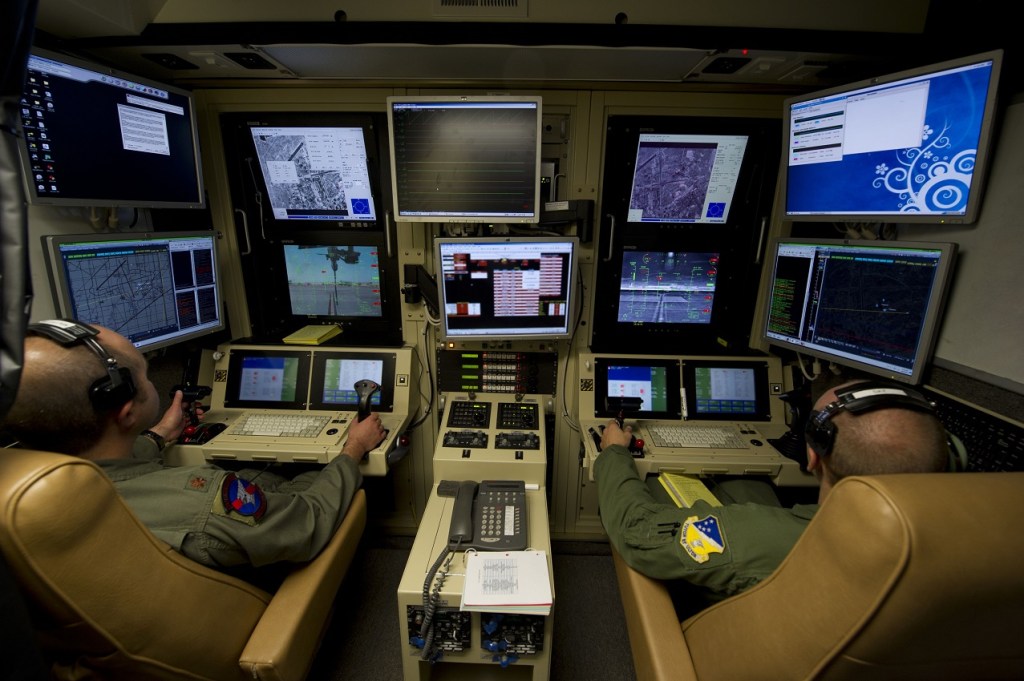
How airmen can work together for persistent ISR
The next step in the military’s shift to digital capabilities is to retool how we task, organize, and equip both intelligence collection and analytic crews.
-
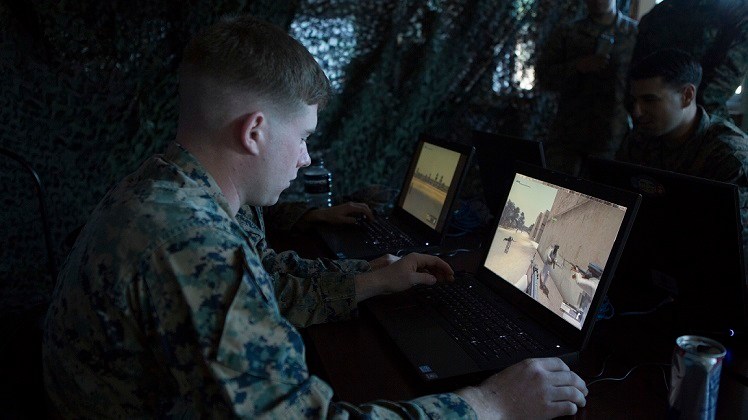
How industry can take advantage of the Pentagon’s shift in research
Early stage research and development dollars, which top $20 billion in fiscal year 2020, will be increasingly critical to shape outcomes, requirements, and program choices.
-

Why the Air Force acquisition chief wants to be hacked
As software becomes increasingly important to combat capability, Will Roper, the assistant secretary of the Air Force for acquisition, technology and logistics, shares what he feels must be a top priority.
-
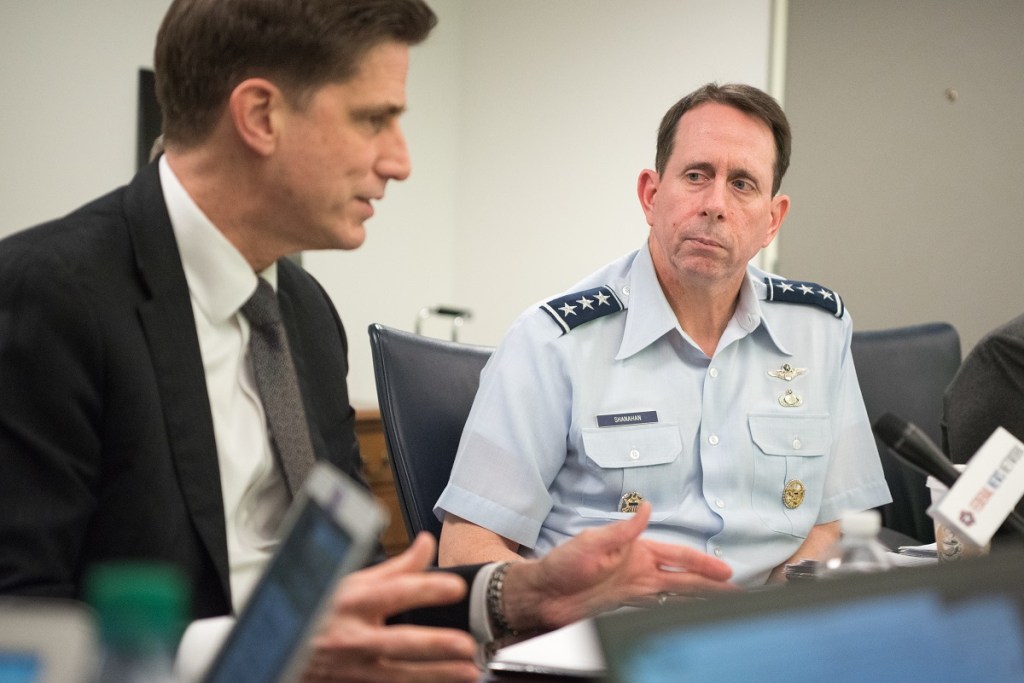
The Pentagon’s top AI official explains ‘computer vision’
Lt. Gen. Jack Shanahan, director of the Joint Artificial Intelligence Center, talks about drawing new lines of AI effort.
-
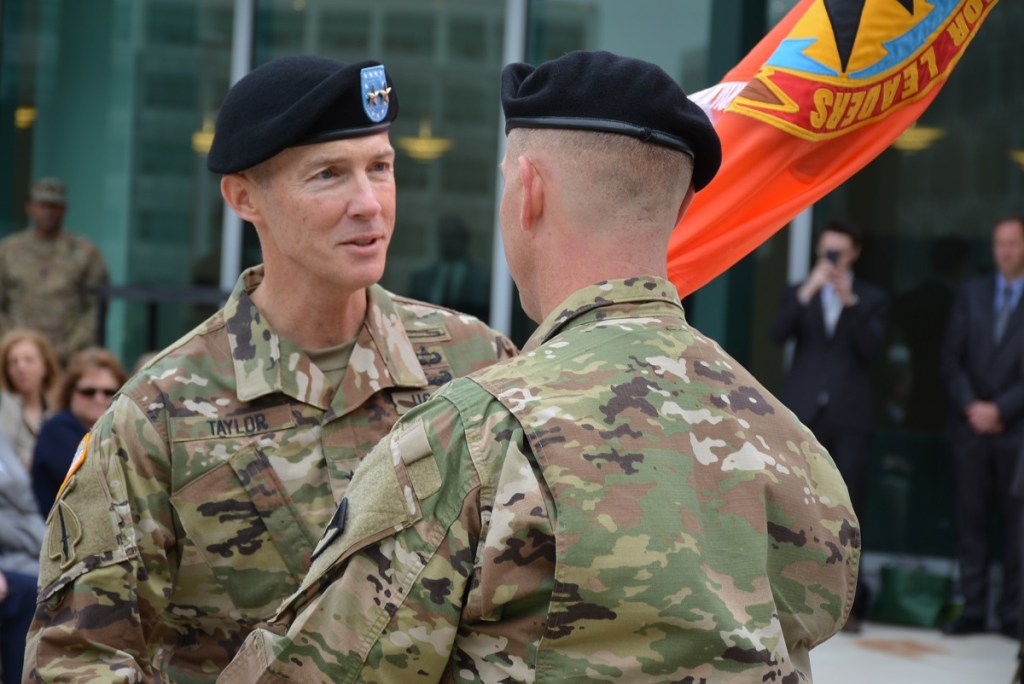
How the Army is modernizing the old, introducing the new
Maj. Gen. Randy Taylor, former commander of U.S. Army Communications-Electronics Command, explains the formula for sustaining critical platforms.
-

A new Army network could also help training
For the Army’s Synthetic Training Environment to work as expected, the service’s IT team should consider implementing an advanced form of network monitoring focused specifically on bandwidth optimization.
-
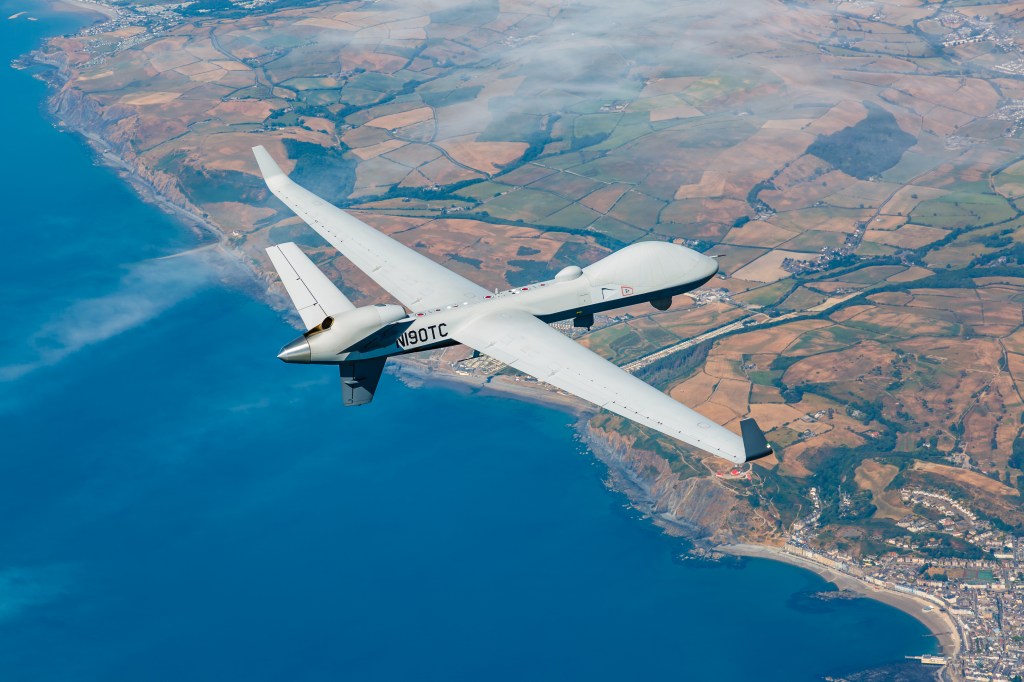
6 new capabilities powering the unmanned revolution
The unmanned aircraft revolution is underway thanks to six new capabilities.