-

How the Internet of Things could improve weapons tracking
A 2017 Newsweek report revealed that the U.S. Army lost more than $1 billion worth of weapons in Iraq and Kuwait due to lax controls and record keeping. This problem is not unique to the Army; the challenge of tracking goods has dogged military operations since Roman times. When there are thousands of troops and…
-

Silicon Valley will never love DoD
If Pentagon leaders want wholesale change, as they often claim, they will have to choose to make workers on one coast unhappy.
-
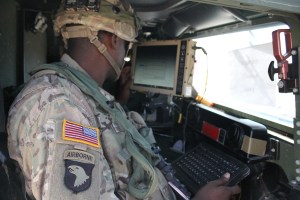
How Army leaders are tackling network transformation
Maj. Gen. David Bassett, PEO C3T, and Maj. Gen. Peter Gallagher, Futures Command, discuss bringing a more robust, survivable and functional network in highly contested spectrums.
-
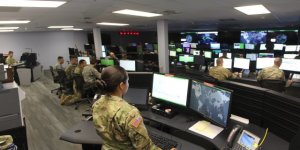
How a new Army leader wants to improve defensive cyber operations
The new head of Program Executive Officer Enterprise Information Systems explains how she plans to streamline disparate networking programs and break down silos.
-
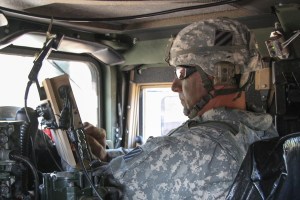
How the Army plans to improve its friendly force tracking
The Army is accelerating its Joint Battle Command-Platform, which provides friendly forces awareness information known as blue force tracking.
-

How network tools can improve base security
New technologies are transforming physical security from “gates, guards and guns” to an imperative that’s increasingly reliant on data systems.
-
Why diversity is the key to avoiding position, navigation and timing outages
A combination of additional position, navigation and timing signals and other fail-safe solutions, together with traditional GPS systems, can make PNT applications more resilient against jamming and spoofing.
-
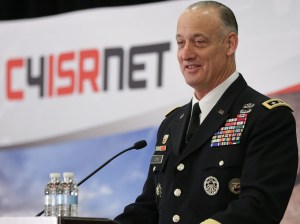
Command Conversation: Lt. Gen. Alan Lynn
Fielding enterprise IT and protecting networks for the Department of Defense, the Defense Information Systems Agency director and Joint Force Headquarters-Department of Defense Information Networks commander shared top priorities, pressing initiatives and his take on working with the private sector.
-
![How drone swarms could change urban warfare [Commentary]](https://dev.sightlinemg.com/wp-content/uploads/2026/08/OFFSET-Infographic.png.png?w=300)
How drone swarms could change urban warfare [Commentary]
The range of challenges in urban environments is broad. The enemy defender generally has the advantage. To take back the initiative, the Army should deploy current drone technologies to empower soldiers to address some of the fundamental challenges of urban warfare.
-

‘Tis the season for CyberCon
It’s that time of year again. A time when people come together to catch up on the last 12 months and reconnect with friends and colleagues.
-
How the Internet of Things could improve weapons tracking
A 2017 Newsweek report revealed that the U.S. Army lost more than $1 billion worth of weapons in Iraq and Kuwait due to lax controls and record keeping. This problem is not unique to the Army; the challenge of tracking goods has dogged military operations since Roman times. When there are thousands of troops and…
-
Silicon Valley will never love DoD
If Pentagon leaders want wholesale change, as they often claim, they will have to choose to make workers on one coast unhappy.
-
How Army leaders are tackling network transformation
Maj. Gen. David Bassett, PEO C3T, and Maj. Gen. Peter Gallagher, Futures Command, discuss bringing a more robust, survivable and functional network in highly contested spectrums.
-
How a new Army leader wants to improve defensive cyber operations
The new head of Program Executive Officer Enterprise Information Systems explains how she plans to streamline disparate networking programs and break down silos.
-
How the Army plans to improve its friendly force tracking
The Army is accelerating its Joint Battle Command-Platform, which provides friendly forces awareness information known as blue force tracking.
-
How network tools can improve base security
New technologies are transforming physical security from “gates, guards and guns” to an imperative that’s increasingly reliant on data systems.
-
Why diversity is the key to avoiding position, navigation and timing outages
A combination of additional position, navigation and timing signals and other fail-safe solutions, together with traditional GPS systems, can make PNT applications more resilient against jamming and spoofing.
-
Command Conversation: Lt. Gen. Alan Lynn
Fielding enterprise IT and protecting networks for the Department of Defense, the Defense Information Systems Agency director and Joint Force Headquarters-Department of Defense Information Networks commander shared top priorities, pressing initiatives and his take on working with the private sector.
-
How drone swarms could change urban warfare [Commentary]
The range of challenges in urban environments is broad. The enemy defender generally has the advantage. To take back the initiative, the Army should deploy current drone technologies to empower soldiers to address some of the fundamental challenges of urban warfare.
-
‘Tis the season for CyberCon
It’s that time of year again. A time when people come together to catch up on the last 12 months and reconnect with friends and colleagues.
-

How the Internet of Things could improve weapons tracking
A 2017 Newsweek report revealed that the U.S. Army lost more than $1 billion worth of weapons in Iraq and Kuwait due to lax controls and record keeping. This problem is not unique to the Army; the challenge of tracking goods has dogged military operations since Roman times. When there are thousands of troops and…
-

Silicon Valley will never love DoD
If Pentagon leaders want wholesale change, as they often claim, they will have to choose to make workers on one coast unhappy.
-
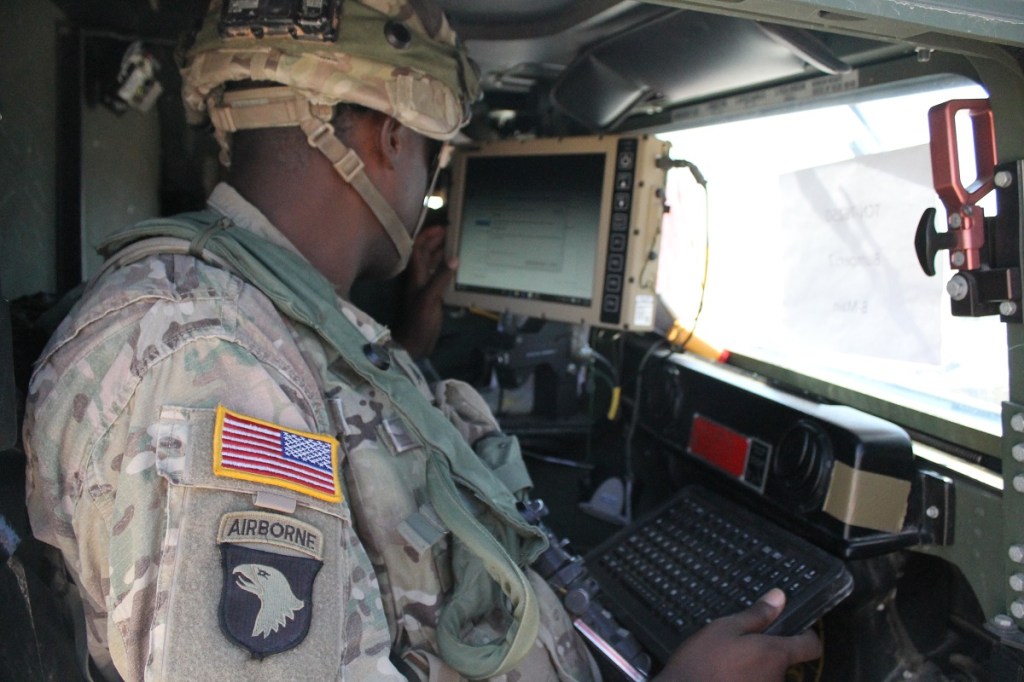
How Army leaders are tackling network transformation
Maj. Gen. David Bassett, PEO C3T, and Maj. Gen. Peter Gallagher, Futures Command, discuss bringing a more robust, survivable and functional network in highly contested spectrums.
-
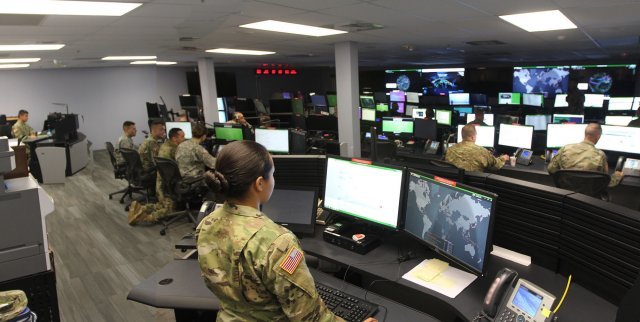
How a new Army leader wants to improve defensive cyber operations
The new head of Program Executive Officer Enterprise Information Systems explains how she plans to streamline disparate networking programs and break down silos.
-
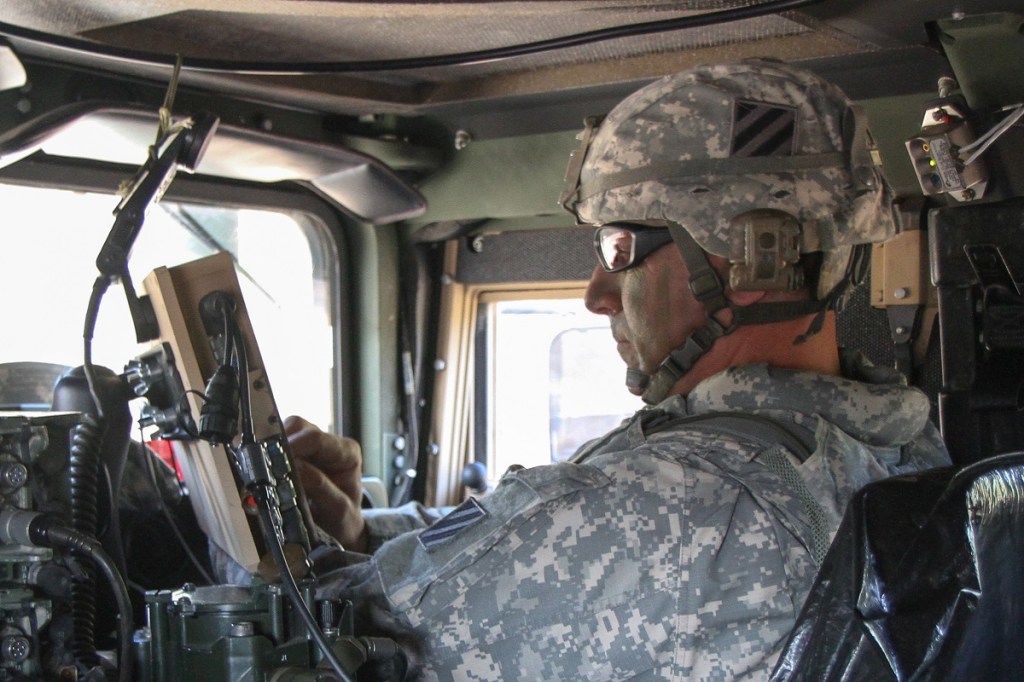
How the Army plans to improve its friendly force tracking
The Army is accelerating its Joint Battle Command-Platform, which provides friendly forces awareness information known as blue force tracking.
-

How network tools can improve base security
New technologies are transforming physical security from “gates, guards and guns” to an imperative that’s increasingly reliant on data systems.
-
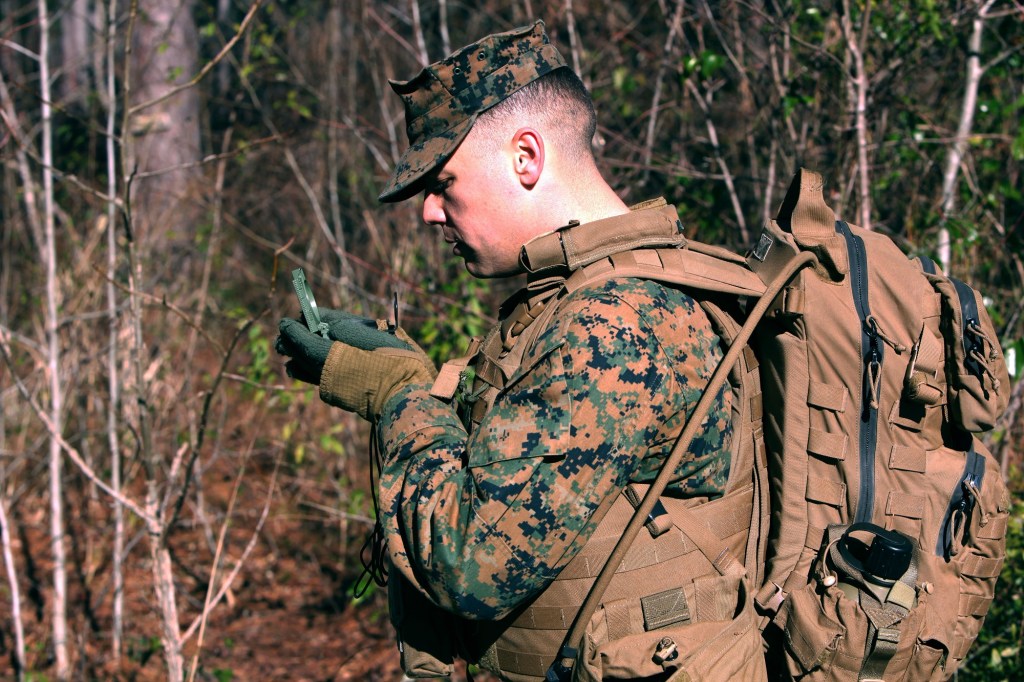
Why diversity is the key to avoiding position, navigation and timing outages
A combination of additional position, navigation and timing signals and other fail-safe solutions, together with traditional GPS systems, can make PNT applications more resilient against jamming and spoofing.
-

Command Conversation: Lt. Gen. Alan Lynn
Fielding enterprise IT and protecting networks for the Department of Defense, the Defense Information Systems Agency director and Joint Force Headquarters-Department of Defense Information Networks commander shared top priorities, pressing initiatives and his take on working with the private sector.
-
![How drone swarms could change urban warfare [Commentary]](https://dev.sightlinemg.com/wp-content/uploads/2026/08/OFFSET-Infographic.png.png?w=1024)
How drone swarms could change urban warfare [Commentary]
The range of challenges in urban environments is broad. The enemy defender generally has the advantage. To take back the initiative, the Army should deploy current drone technologies to empower soldiers to address some of the fundamental challenges of urban warfare.
-

‘Tis the season for CyberCon
It’s that time of year again. A time when people come together to catch up on the last 12 months and reconnect with friends and colleagues.