-

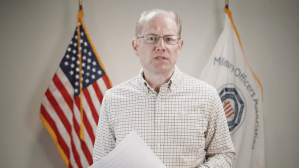
What’s in store for facial recognition in 2020?
Trueface CEO Shaun Moore speaks to C4ISRNET about how his government clients are using facial recognition in the new year.
-

Can the U.S. adequately track employee skills across the entire government? | Cybercon 2019
Find out the answer from the stage at Cybercon 2019.
-
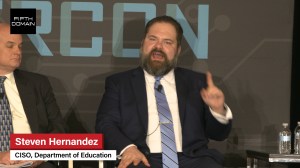
What is the number one threat? | Cybercon 2019
Steven Hernandez, the CISO at the Department of Education, explains the greatest threat his department faced last year.
-
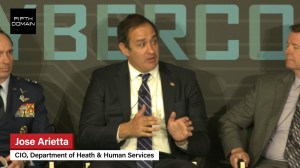
Are scientists a cybersecurity threat? | Cybercon 2019
Are scientists the most “risky” part of an organization?
-
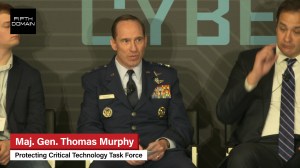
Protecting today to ensure tomorrow | Cybercon 2019
Maj. Gen. Thomas Murphy, director of the Protecting Critical Technology Task Force, explains what his organization is doing to protect tomorrow.
-
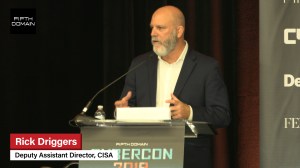
How is the Department of Homeland Security working with industry? | Cybercon 2019
Rick Driggers, the deputy assistant director at CISA, explains that to Cybercon 2019.
-
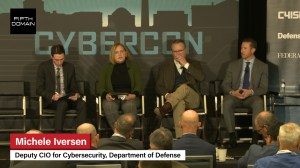
The importance of analyzing before adding things to a network | Cybercon 2019
Michele Iversen, from the office of the Pentagon’s CIO, explains why you need to analyze before adding a device or software to a network at Cybercon 2019.
-
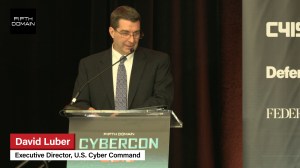
Here’s how Cyber Command is defending forward–and even using allied networks | Cybercon 2019
David Luber, Executive Director at U.S. Cyber Command, lays out how the organization is working to defend forward and partner with allies at Cybercon 2019.
-
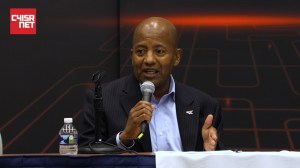
How Army and Industry Can Drive IT Modernization Forward
World Wide Technology’s Vice President of Public Sector Strategy Lt. Gen. Bob Ferrell (ret.) explains how industry helps Army speed up IT modernization efforts.
-
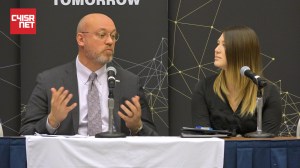
“AI offers the ability to reduce the cognitive burden on soldiers”
Leidos Chief Technology Officer Dr. Tim Barton says “AI offers the ability to reduce the cognitive burden on soldiers” as the Army looks to build capabilities.
-
What’s in store for facial recognition in 2020?
Trueface CEO Shaun Moore speaks to C4ISRNET about how his government clients are using facial recognition in the new year.
-
Can the U.S. adequately track employee skills across the entire government? | Cybercon 2019
Find out the answer from the stage at Cybercon 2019.
-
What is the number one threat? | Cybercon 2019
Steven Hernandez, the CISO at the Department of Education, explains the greatest threat his department faced last year.
-
Are scientists a cybersecurity threat? | Cybercon 2019
Are scientists the most “risky” part of an organization?
-
Protecting today to ensure tomorrow | Cybercon 2019
Maj. Gen. Thomas Murphy, director of the Protecting Critical Technology Task Force, explains what his organization is doing to protect tomorrow.
-
How is the Department of Homeland Security working with industry? | Cybercon 2019
Rick Driggers, the deputy assistant director at CISA, explains that to Cybercon 2019.
-
The importance of analyzing before adding things to a network | Cybercon 2019
Michele Iversen, from the office of the Pentagon’s CIO, explains why you need to analyze before adding a device or software to a network at Cybercon 2019.
-
Here’s how Cyber Command is defending forward–and even using allied networks | Cybercon 2019
David Luber, Executive Director at U.S. Cyber Command, lays out how the organization is working to defend forward and partner with allies at Cybercon 2019.
-
How Army and Industry Can Drive IT Modernization Forward
World Wide Technology’s Vice President of Public Sector Strategy Lt. Gen. Bob Ferrell (ret.) explains how industry helps Army speed up IT modernization efforts.
-
“AI offers the ability to reduce the cognitive burden on soldiers”
Leidos Chief Technology Officer Dr. Tim Barton says “AI offers the ability to reduce the cognitive burden on soldiers” as the Army looks to build capabilities.
-

What’s in store for facial recognition in 2020?
Trueface CEO Shaun Moore speaks to C4ISRNET about how his government clients are using facial recognition in the new year.
-
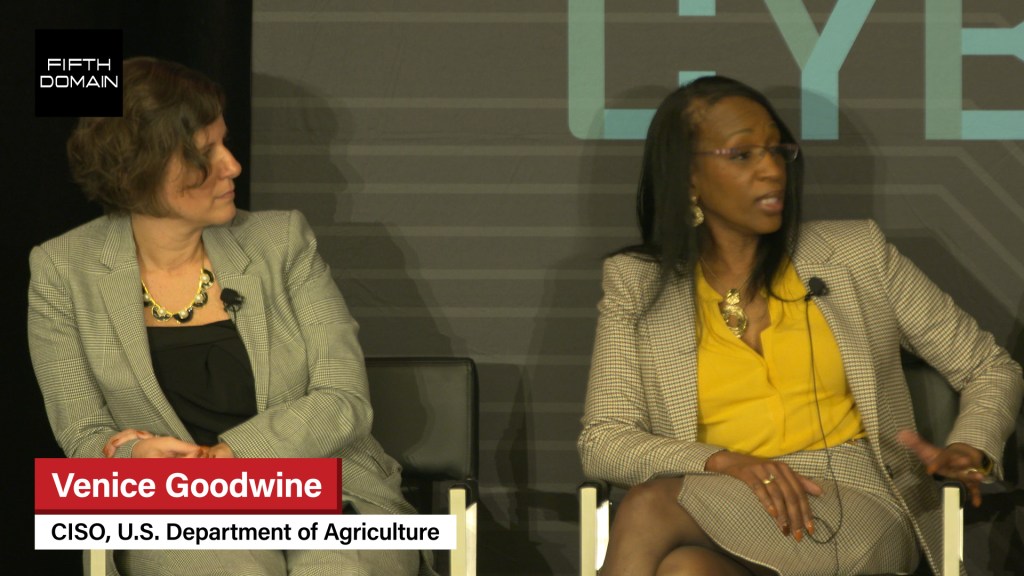
Can the U.S. adequately track employee skills across the entire government? | Cybercon 2019
Find out the answer from the stage at Cybercon 2019.
-
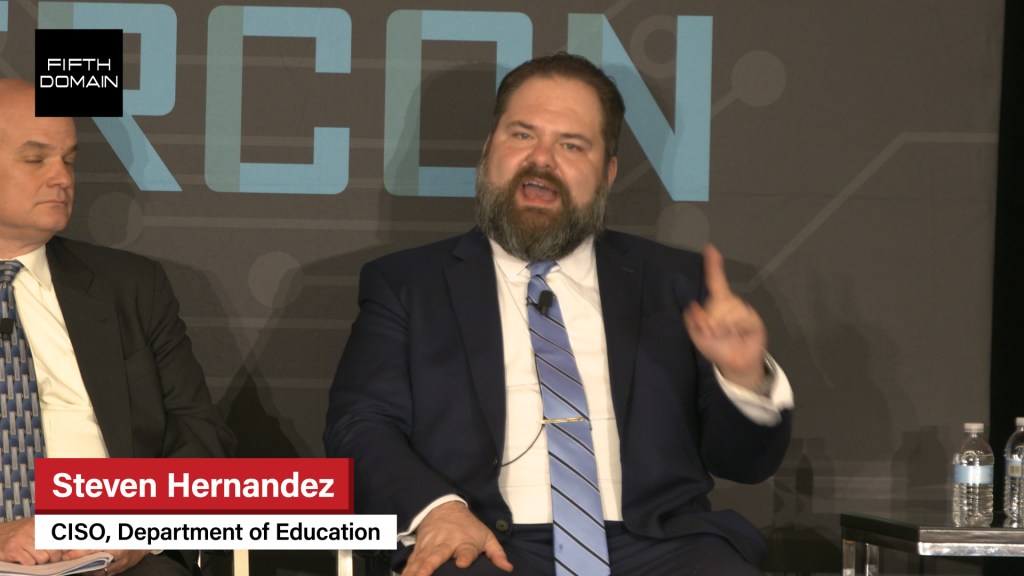
What is the number one threat? | Cybercon 2019
Steven Hernandez, the CISO at the Department of Education, explains the greatest threat his department faced last year.
-
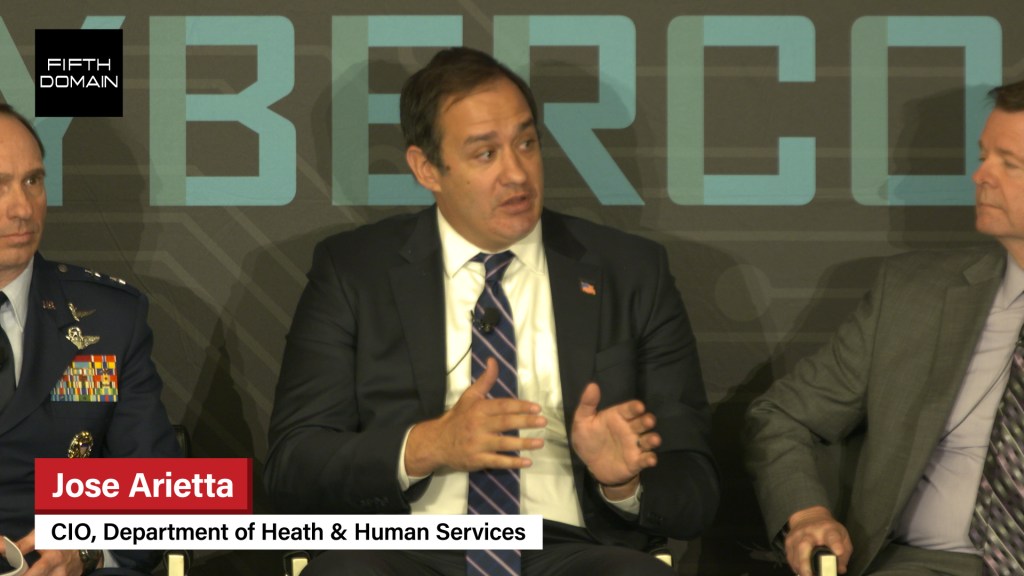
Are scientists a cybersecurity threat? | Cybercon 2019
Are scientists the most “risky” part of an organization?
-
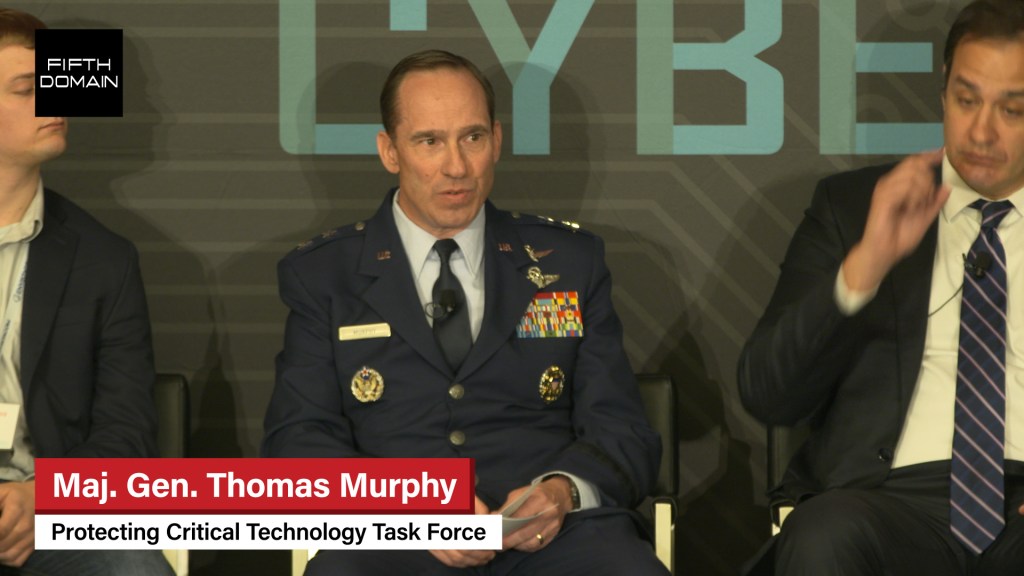
Protecting today to ensure tomorrow | Cybercon 2019
Maj. Gen. Thomas Murphy, director of the Protecting Critical Technology Task Force, explains what his organization is doing to protect tomorrow.
-
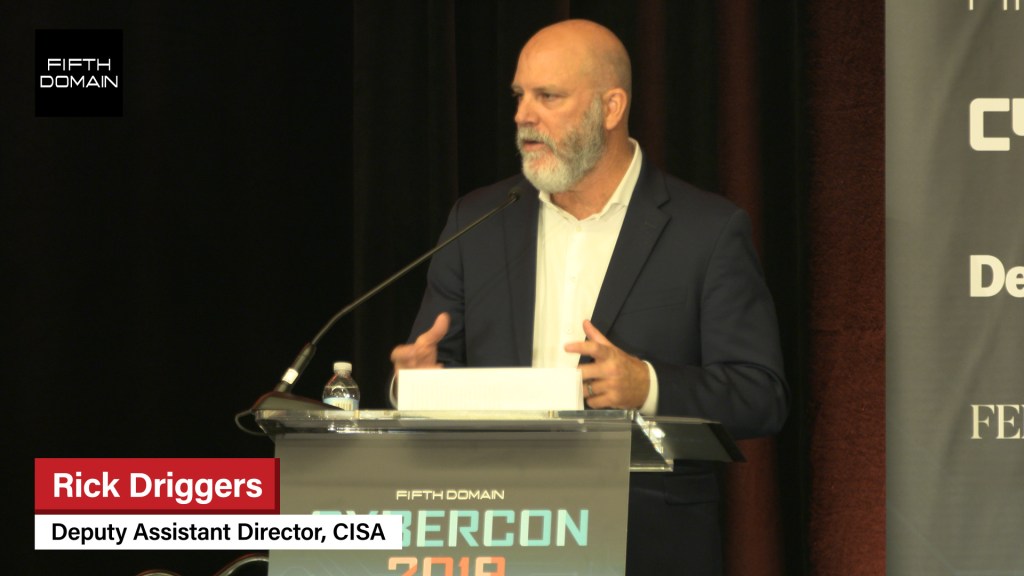
How is the Department of Homeland Security working with industry? | Cybercon 2019
Rick Driggers, the deputy assistant director at CISA, explains that to Cybercon 2019.
-
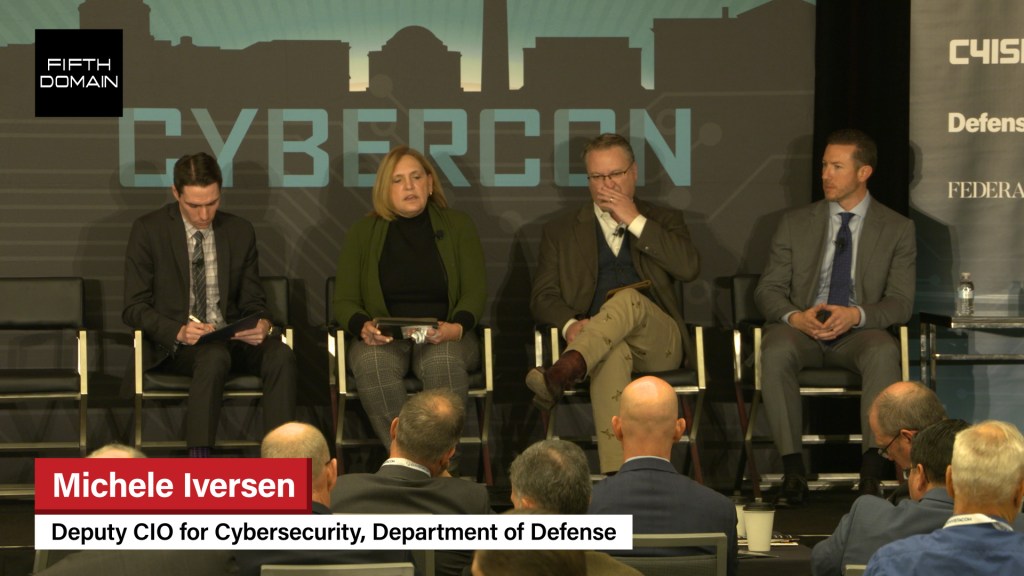
The importance of analyzing before adding things to a network | Cybercon 2019
Michele Iversen, from the office of the Pentagon’s CIO, explains why you need to analyze before adding a device or software to a network at Cybercon 2019.
-
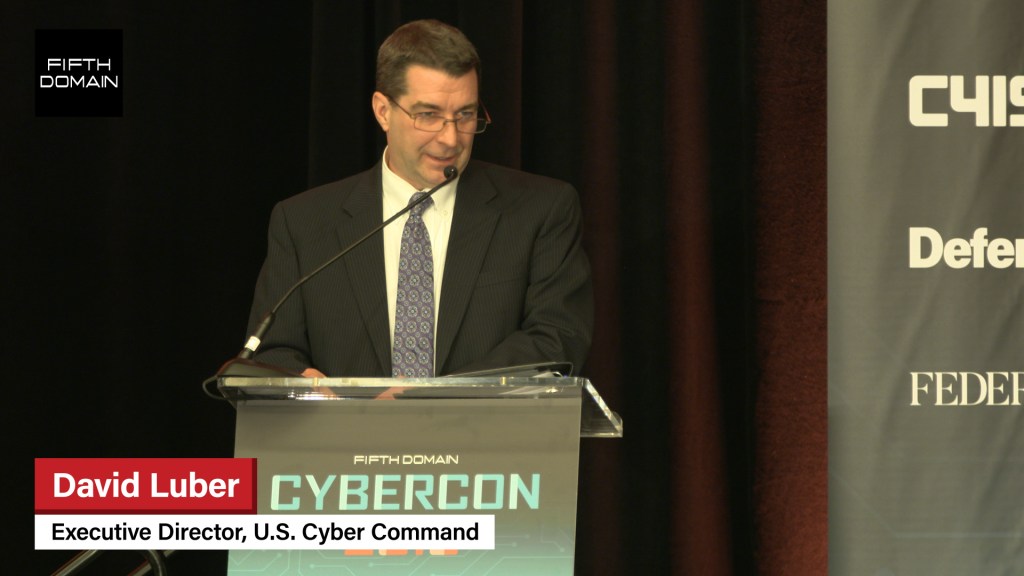
Here’s how Cyber Command is defending forward–and even using allied networks | Cybercon 2019
David Luber, Executive Director at U.S. Cyber Command, lays out how the organization is working to defend forward and partner with allies at Cybercon 2019.
-
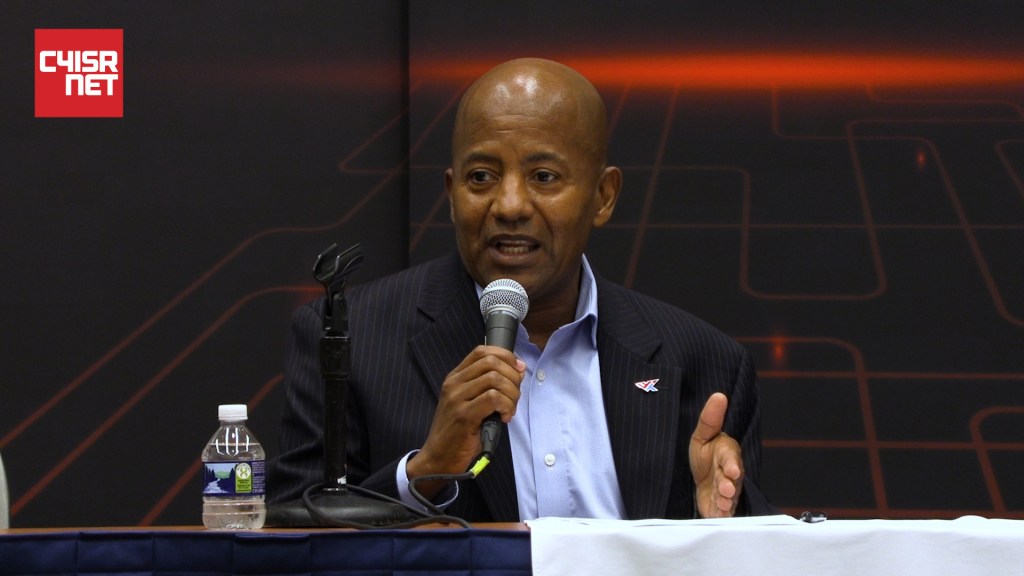
How Army and Industry Can Drive IT Modernization Forward
World Wide Technology’s Vice President of Public Sector Strategy Lt. Gen. Bob Ferrell (ret.) explains how industry helps Army speed up IT modernization efforts.
-
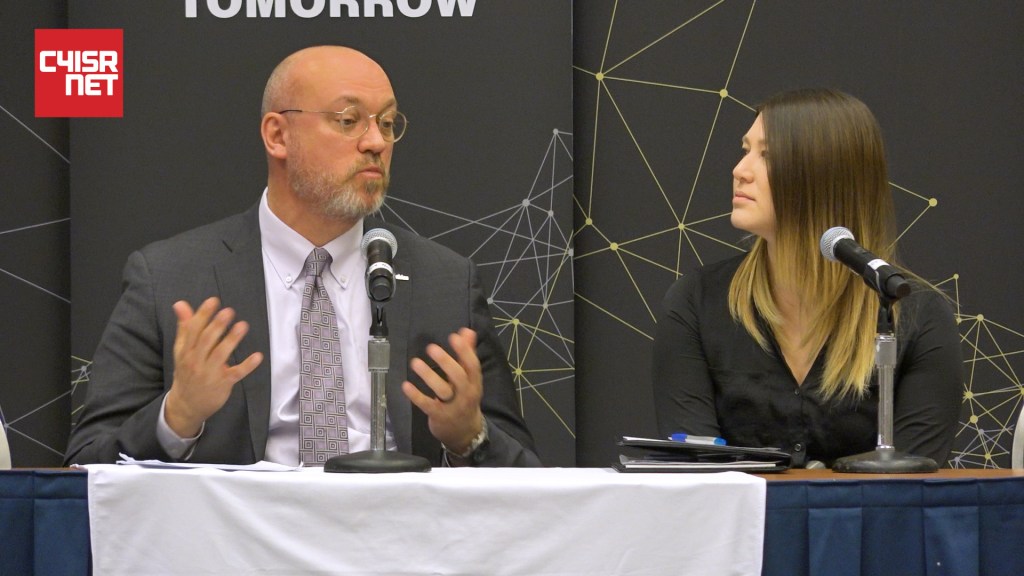
“AI offers the ability to reduce the cognitive burden on soldiers”
Leidos Chief Technology Officer Dr. Tim Barton says “AI offers the ability to reduce the cognitive burden on soldiers” as the Army looks to build capabilities.