-
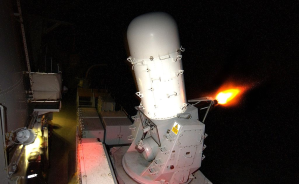
The start of new rules for autonomous weapons
In preparation for a summit on laws of war governing lethal autonomous machines, the UK outlined the steps at which human control can be baked into the design process.
-
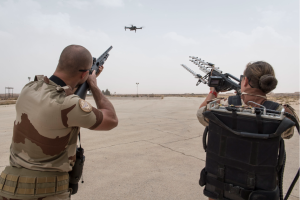
French army trains for anti-drone warfare in Jordan
To protect an airbase in Jordan, France is training a squadron in counter-drone warfare.
-
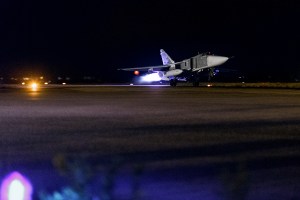
Attacks on an airbase in Syria reveal the cheap price of aerial insurgency
Repeated drone attacks on a Russian-operated airbase in Syria showcase the new asymmetric war in the sky.
-

Coast Guard partners with Air Force to protect eyes from lasers
Lasers make it hard for pilots to see and dangerous to fly, so the Coast Guard is looking into new eye protection that mitigates lasers without reducing visibility too much.
-

Russia wants universities to design robots for war
To familiarize the next generation of Russian officers with the particulars of war robots, Russia announced standards for training cadets to design drones.
-
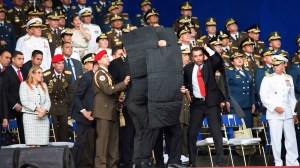
An explosion in Venezuela brings gimmick drones to the political battlefield
In light of an apparent assassination attempt via drone in Venezuela, it’s important to understand how drones have been used before and what countermeasures exist.
-

Estonian war robots could have big implications for future NATO plans
Together with Finland and Latvia, Estonia is looking to fund the development of military robots that will carry sensors, supplies, and people, but not weapons of its own … yet.
-
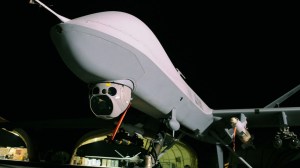
The 5 hard truths of drone warfare
Despite the perceived low cost and ease of tools, remote warfare with special forces and remotely piloted vehicles is a much more limited tool for achieving military and political ends than policy makers assume.
-
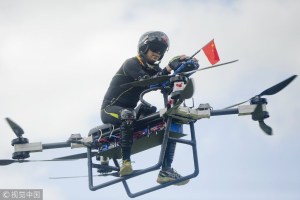
Is the best use of this hoverbike really logistics?
Scratch-built hover bikes are possible thanks to cheap drone parts, and could add a new layer of complexity to conflict as they enable low flying human scouts and maneuver.
-
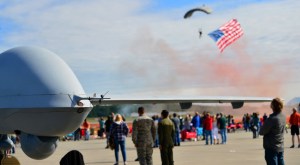
What can the White House learn from how Obama managed drones?
Policy makers have seen drones as a one-size fits-all answer to complex national security threats. But with it is becoming increasingly difficult to evaluate drone policy, much less determine if that policy is achieving the objectives it was set out to address
-
The start of new rules for autonomous weapons
In preparation for a summit on laws of war governing lethal autonomous machines, the UK outlined the steps at which human control can be baked into the design process.
-
French army trains for anti-drone warfare in Jordan
To protect an airbase in Jordan, France is training a squadron in counter-drone warfare.
-
Attacks on an airbase in Syria reveal the cheap price of aerial insurgency
Repeated drone attacks on a Russian-operated airbase in Syria showcase the new asymmetric war in the sky.
-
Coast Guard partners with Air Force to protect eyes from lasers
Lasers make it hard for pilots to see and dangerous to fly, so the Coast Guard is looking into new eye protection that mitigates lasers without reducing visibility too much.
-
Russia wants universities to design robots for war
To familiarize the next generation of Russian officers with the particulars of war robots, Russia announced standards for training cadets to design drones.
-
An explosion in Venezuela brings gimmick drones to the political battlefield
In light of an apparent assassination attempt via drone in Venezuela, it’s important to understand how drones have been used before and what countermeasures exist.
-
Estonian war robots could have big implications for future NATO plans
Together with Finland and Latvia, Estonia is looking to fund the development of military robots that will carry sensors, supplies, and people, but not weapons of its own … yet.
-
The 5 hard truths of drone warfare
Despite the perceived low cost and ease of tools, remote warfare with special forces and remotely piloted vehicles is a much more limited tool for achieving military and political ends than policy makers assume.
-
Is the best use of this hoverbike really logistics?
Scratch-built hover bikes are possible thanks to cheap drone parts, and could add a new layer of complexity to conflict as they enable low flying human scouts and maneuver.
-
What can the White House learn from how Obama managed drones?
Policy makers have seen drones as a one-size fits-all answer to complex national security threats. But with it is becoming increasingly difficult to evaluate drone policy, much less determine if that policy is achieving the objectives it was set out to address
-
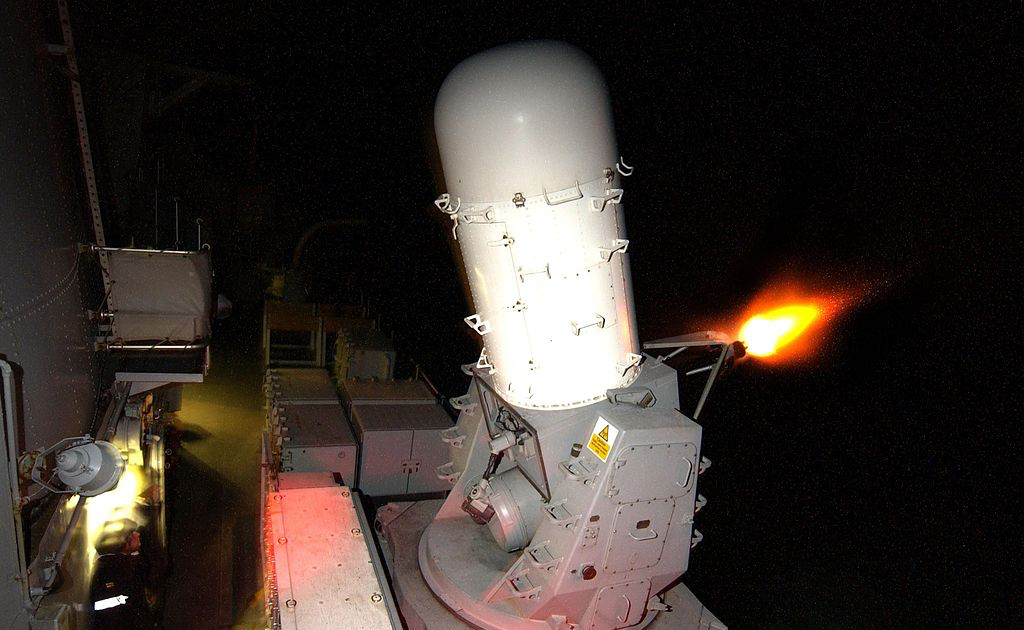
The start of new rules for autonomous weapons
In preparation for a summit on laws of war governing lethal autonomous machines, the UK outlined the steps at which human control can be baked into the design process.
-
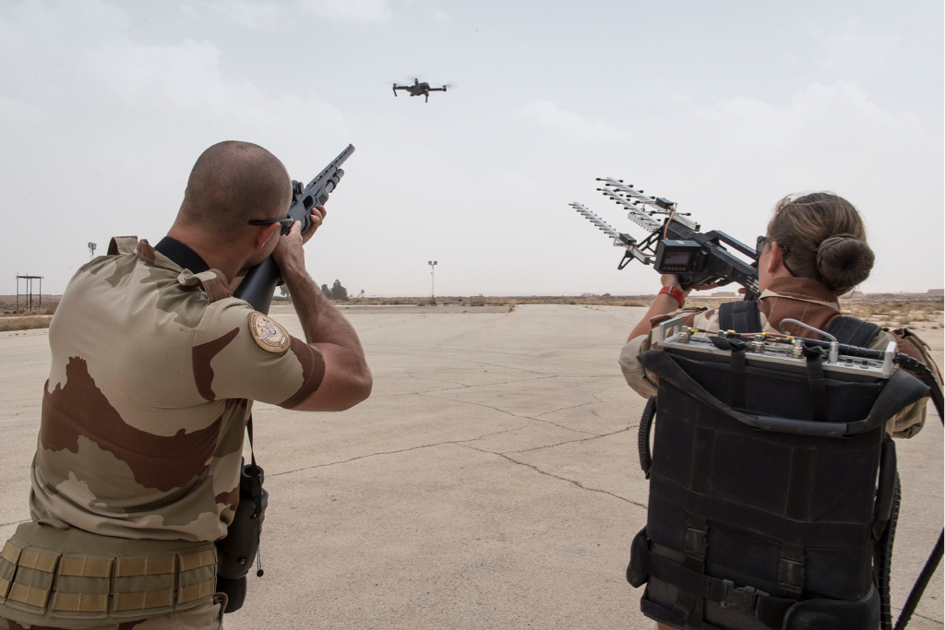
French army trains for anti-drone warfare in Jordan
To protect an airbase in Jordan, France is training a squadron in counter-drone warfare.
-
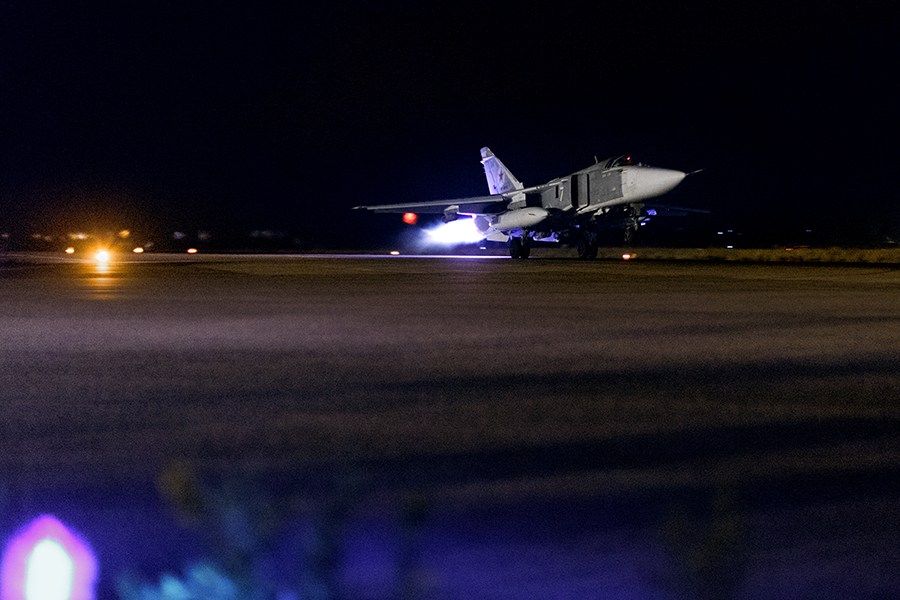
Attacks on an airbase in Syria reveal the cheap price of aerial insurgency
Repeated drone attacks on a Russian-operated airbase in Syria showcase the new asymmetric war in the sky.
-

Coast Guard partners with Air Force to protect eyes from lasers
Lasers make it hard for pilots to see and dangerous to fly, so the Coast Guard is looking into new eye protection that mitigates lasers without reducing visibility too much.
-
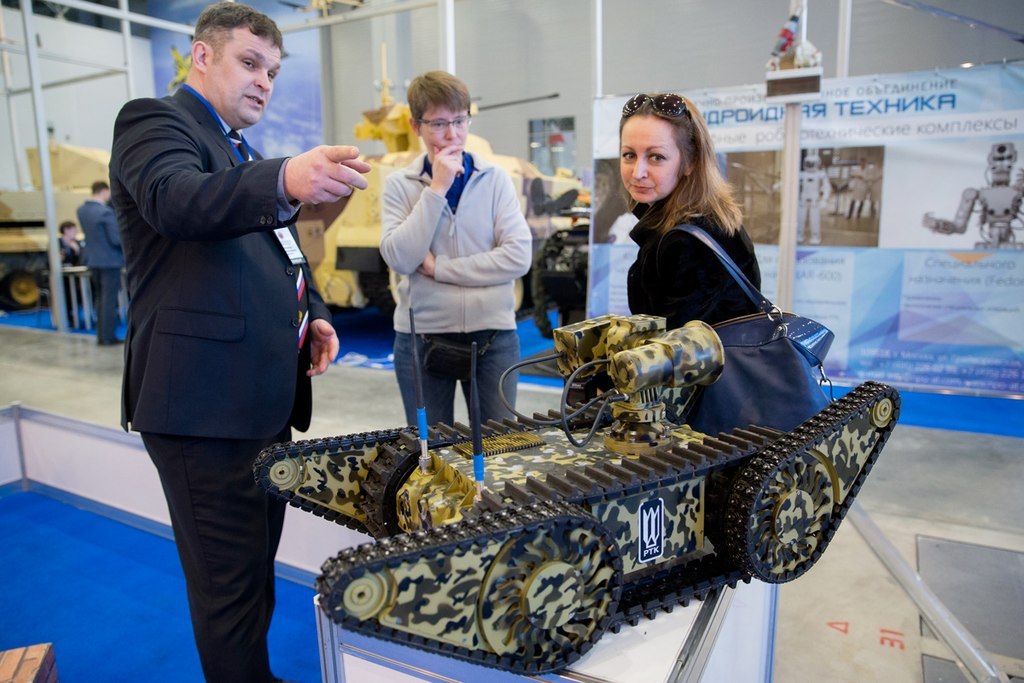
Russia wants universities to design robots for war
To familiarize the next generation of Russian officers with the particulars of war robots, Russia announced standards for training cadets to design drones.
-
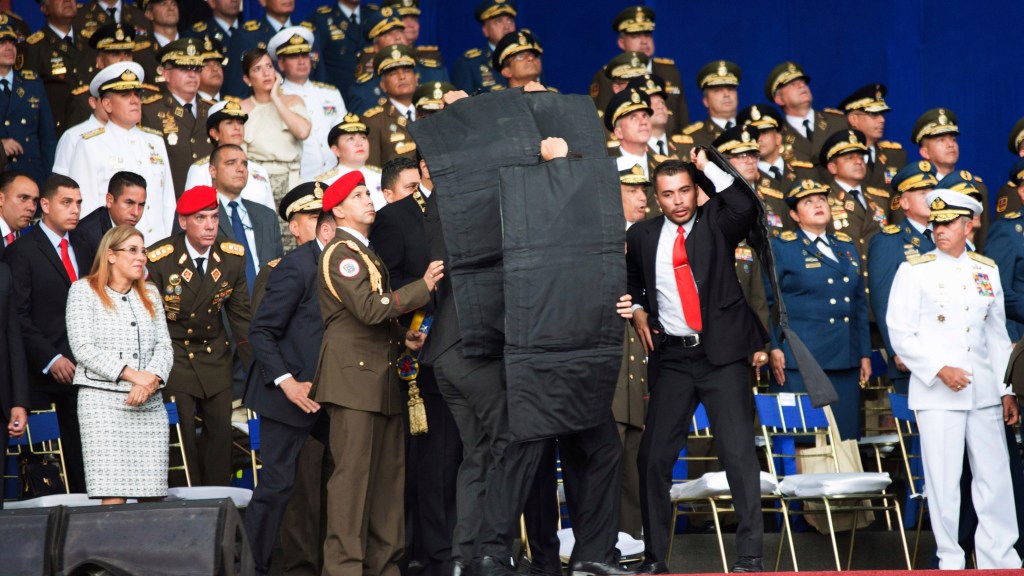
An explosion in Venezuela brings gimmick drones to the political battlefield
In light of an apparent assassination attempt via drone in Venezuela, it’s important to understand how drones have been used before and what countermeasures exist.
-

Estonian war robots could have big implications for future NATO plans
Together with Finland and Latvia, Estonia is looking to fund the development of military robots that will carry sensors, supplies, and people, but not weapons of its own … yet.
-
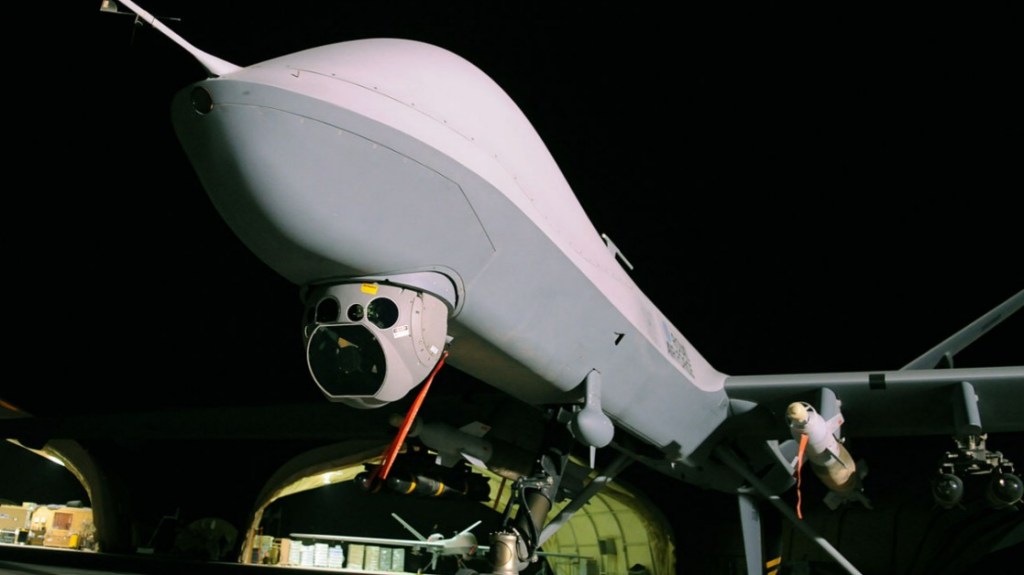
The 5 hard truths of drone warfare
Despite the perceived low cost and ease of tools, remote warfare with special forces and remotely piloted vehicles is a much more limited tool for achieving military and political ends than policy makers assume.
-
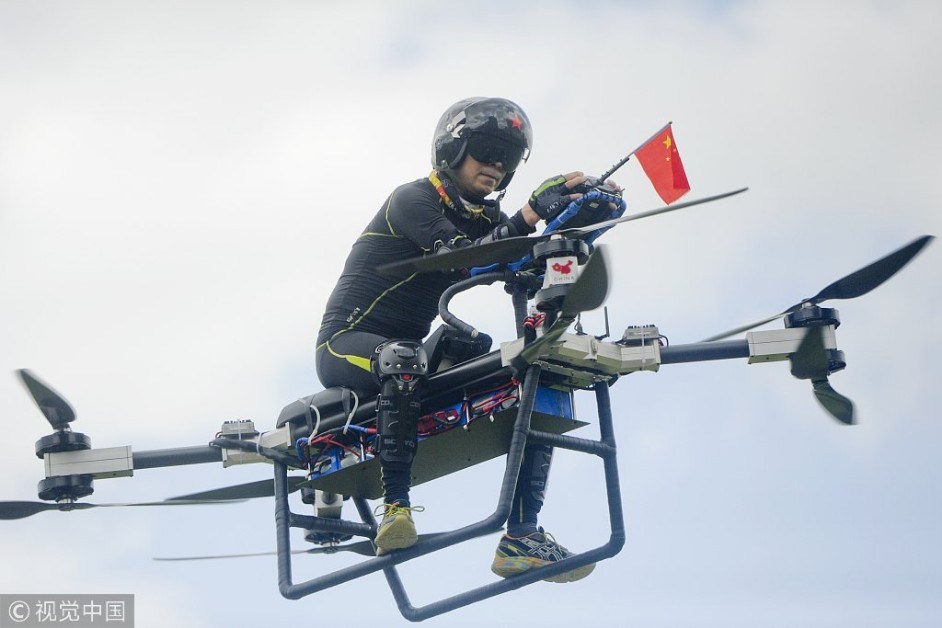
Is the best use of this hoverbike really logistics?
Scratch-built hover bikes are possible thanks to cheap drone parts, and could add a new layer of complexity to conflict as they enable low flying human scouts and maneuver.
-
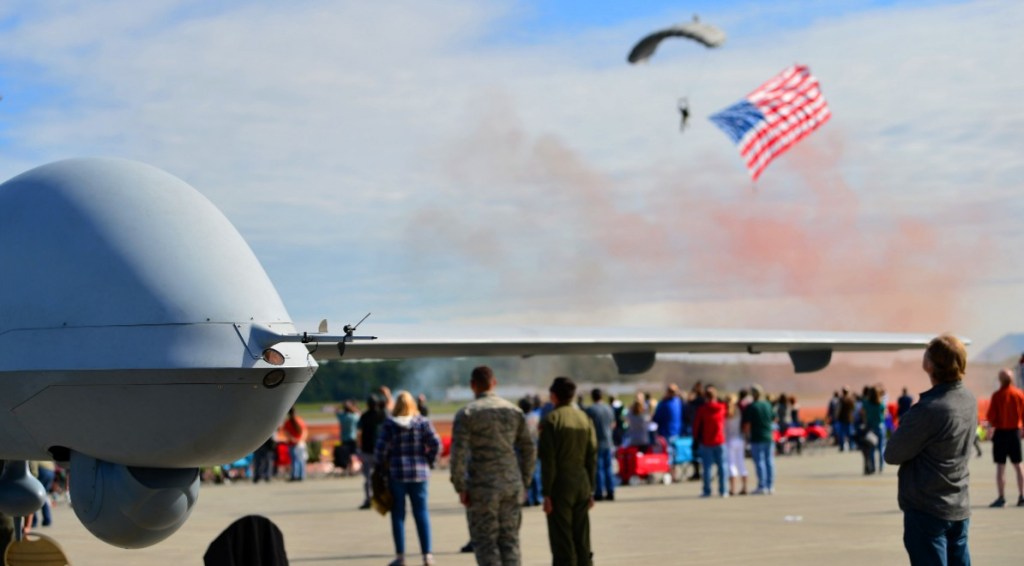
What can the White House learn from how Obama managed drones?
Policy makers have seen drones as a one-size fits-all answer to complex national security threats. But with it is becoming increasingly difficult to evaluate drone policy, much less determine if that policy is achieving the objectives it was set out to address