-
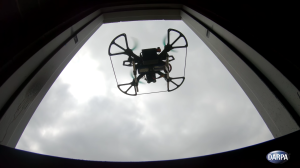
DARPA’s Fast Lightweight Autonomy program tests the scouting software of tomorrow’s wars
Drones that can scout for themselves would be a valuable asset in conflicts in the future, and DARPA is testing several different sets of software to make that possibility a reality.
-

The calculus of cheaper military comms satellites
The Defense Advanced Research Projects Agency’s Paul “Rusty” Thomas shares his thoughts on the Blackjack initiative to pilot a constellation of satellites that keep costs low and resilience high.
-
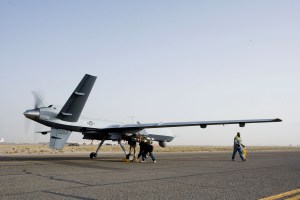
Targeting the future of the DoD’s controversial Project Maven initiative
The Defense Department will build its signature artificial intelligence program without Google. But can the Pentagon convince Silicon Valley it’s using AI for good?
-

Watch Oklahoma National Guard train with counter-drone equipment in Afghanistan
As drones have moved from hypothetical to real threat, training with available counter-drone tools has moved from forward-thinking training to a regular part of being forward deployed.
-

Could a cheap GPS spoofing experiment lead to ambushed convoys?
As security researchers demonstrate a novel navigation tool hack, it’s worth considering how many of the steps to make that hack work can enable other, less complicated attacks on the same target.
-

Microsoft wants the government to regulate facial recognition technology
As technology companies face scrutiny over how their software is used, Microsoft calls for government regulation to set rules paths for recourse for facial recognition technology.
-
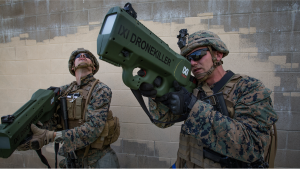
White House wants expanded counter-drone powers
The White House urged passage of a new bill that grants broad powers to detect, track and stop drones flying in domestic airspace.
-
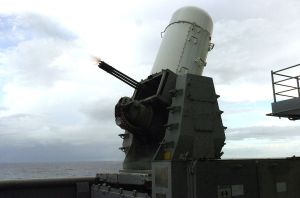
AI companies pledge to not develop deadly autonomous weapons
To prevent nations from undertaking an arms race in lethal robots, over 100 AI developers signed a pledge to not work on Lethal Autonomous Systems.
-
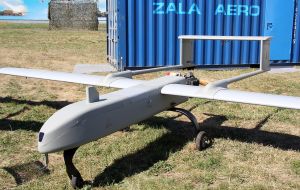
Russia announces its first drones equipped with LIDAR
With the new announcement of LIDAR for drones, Russia reveals both an enhanced battlefield capability and a potential mystery in its supply chain.
-

For the Defense Innovation Board, the future of AI is more than JAIC
In order to attract and retain top AI talent, the Pentagon is working on guiding principles for how, exactly, it bends artificial intelligence towards war.
-
DARPA’s Fast Lightweight Autonomy program tests the scouting software of tomorrow’s wars
Drones that can scout for themselves would be a valuable asset in conflicts in the future, and DARPA is testing several different sets of software to make that possibility a reality.
-
The calculus of cheaper military comms satellites
The Defense Advanced Research Projects Agency’s Paul “Rusty” Thomas shares his thoughts on the Blackjack initiative to pilot a constellation of satellites that keep costs low and resilience high.
-
Targeting the future of the DoD’s controversial Project Maven initiative
The Defense Department will build its signature artificial intelligence program without Google. But can the Pentagon convince Silicon Valley it’s using AI for good?
-
Watch Oklahoma National Guard train with counter-drone equipment in Afghanistan
As drones have moved from hypothetical to real threat, training with available counter-drone tools has moved from forward-thinking training to a regular part of being forward deployed.
-
Could a cheap GPS spoofing experiment lead to ambushed convoys?
As security researchers demonstrate a novel navigation tool hack, it’s worth considering how many of the steps to make that hack work can enable other, less complicated attacks on the same target.
-
Microsoft wants the government to regulate facial recognition technology
As technology companies face scrutiny over how their software is used, Microsoft calls for government regulation to set rules paths for recourse for facial recognition technology.
-
White House wants expanded counter-drone powers
The White House urged passage of a new bill that grants broad powers to detect, track and stop drones flying in domestic airspace.
-
AI companies pledge to not develop deadly autonomous weapons
To prevent nations from undertaking an arms race in lethal robots, over 100 AI developers signed a pledge to not work on Lethal Autonomous Systems.
-
Russia announces its first drones equipped with LIDAR
With the new announcement of LIDAR for drones, Russia reveals both an enhanced battlefield capability and a potential mystery in its supply chain.
-
For the Defense Innovation Board, the future of AI is more than JAIC
In order to attract and retain top AI talent, the Pentagon is working on guiding principles for how, exactly, it bends artificial intelligence towards war.
-
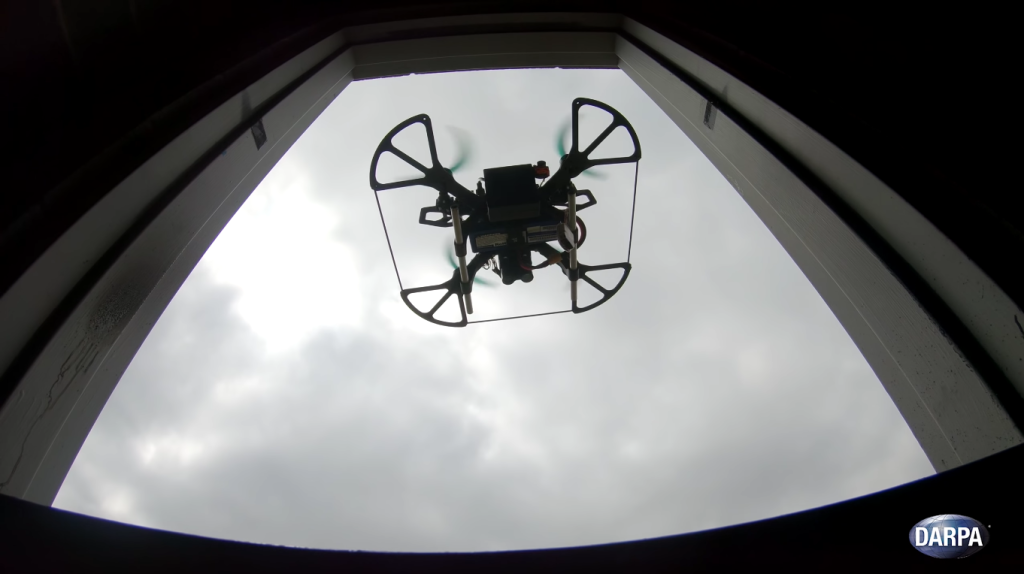
DARPA’s Fast Lightweight Autonomy program tests the scouting software of tomorrow’s wars
Drones that can scout for themselves would be a valuable asset in conflicts in the future, and DARPA is testing several different sets of software to make that possibility a reality.
-

The calculus of cheaper military comms satellites
The Defense Advanced Research Projects Agency’s Paul “Rusty” Thomas shares his thoughts on the Blackjack initiative to pilot a constellation of satellites that keep costs low and resilience high.
-
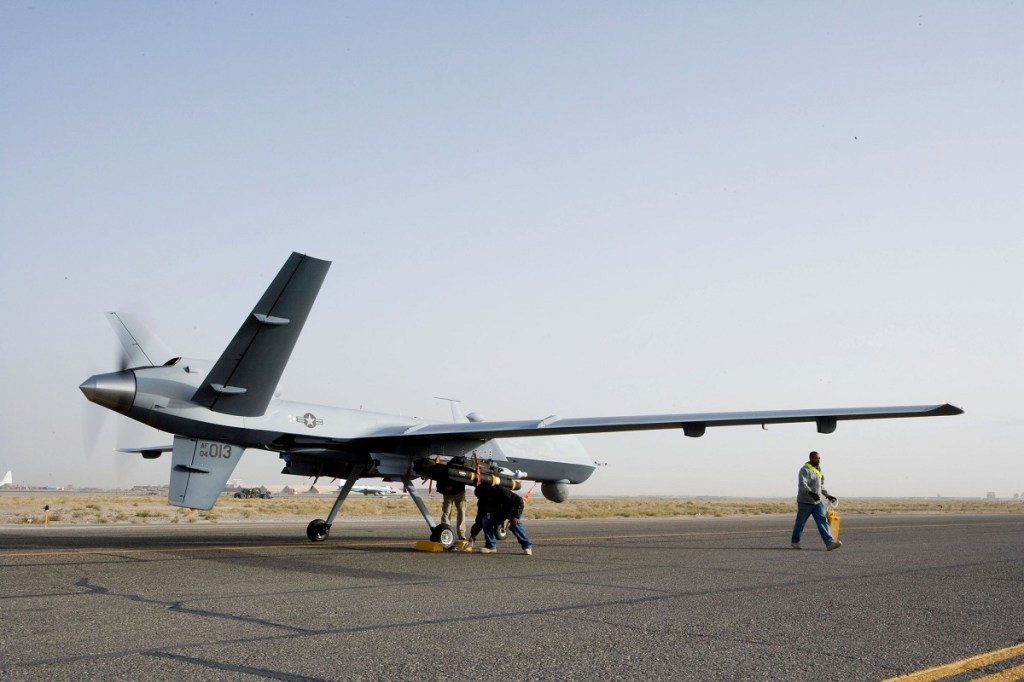
Targeting the future of the DoD’s controversial Project Maven initiative
The Defense Department will build its signature artificial intelligence program without Google. But can the Pentagon convince Silicon Valley it’s using AI for good?
-

Watch Oklahoma National Guard train with counter-drone equipment in Afghanistan
As drones have moved from hypothetical to real threat, training with available counter-drone tools has moved from forward-thinking training to a regular part of being forward deployed.
-

Could a cheap GPS spoofing experiment lead to ambushed convoys?
As security researchers demonstrate a novel navigation tool hack, it’s worth considering how many of the steps to make that hack work can enable other, less complicated attacks on the same target.
-

Microsoft wants the government to regulate facial recognition technology
As technology companies face scrutiny over how their software is used, Microsoft calls for government regulation to set rules paths for recourse for facial recognition technology.
-
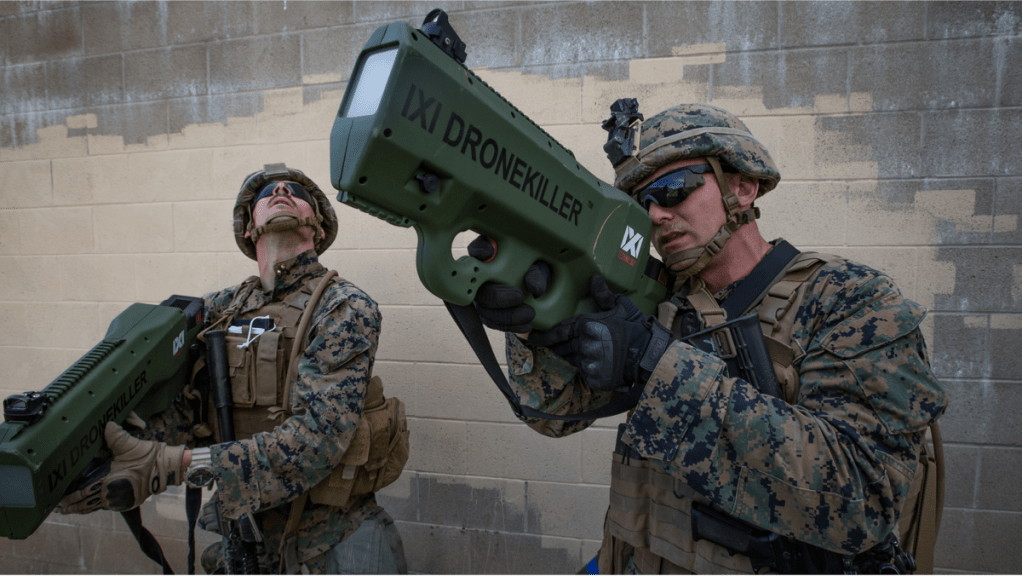
White House wants expanded counter-drone powers
The White House urged passage of a new bill that grants broad powers to detect, track and stop drones flying in domestic airspace.
-
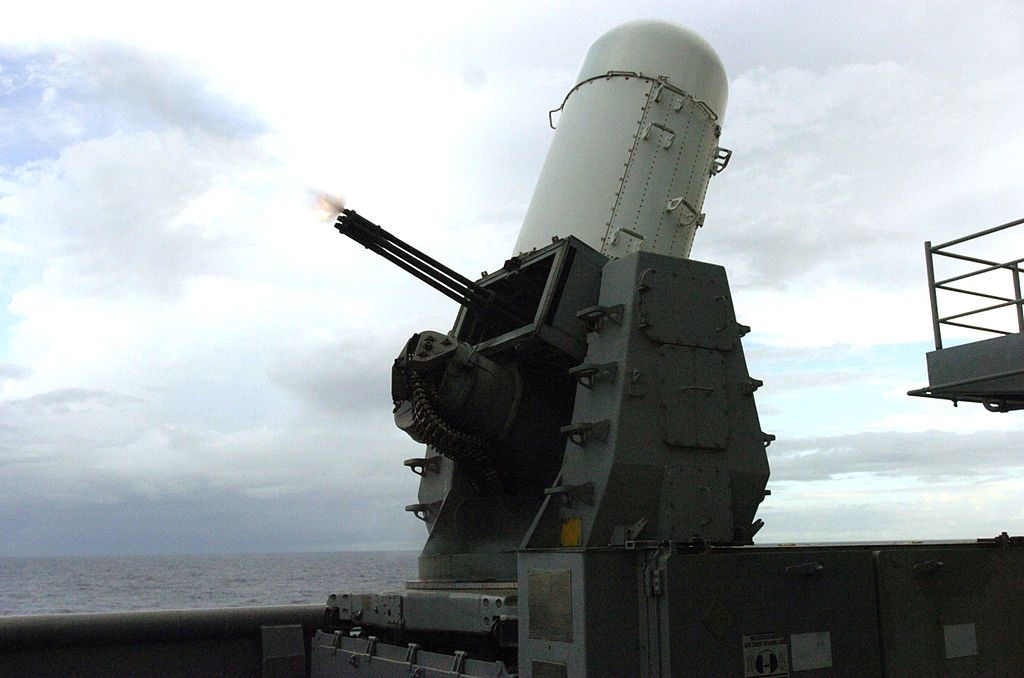
AI companies pledge to not develop deadly autonomous weapons
To prevent nations from undertaking an arms race in lethal robots, over 100 AI developers signed a pledge to not work on Lethal Autonomous Systems.
-
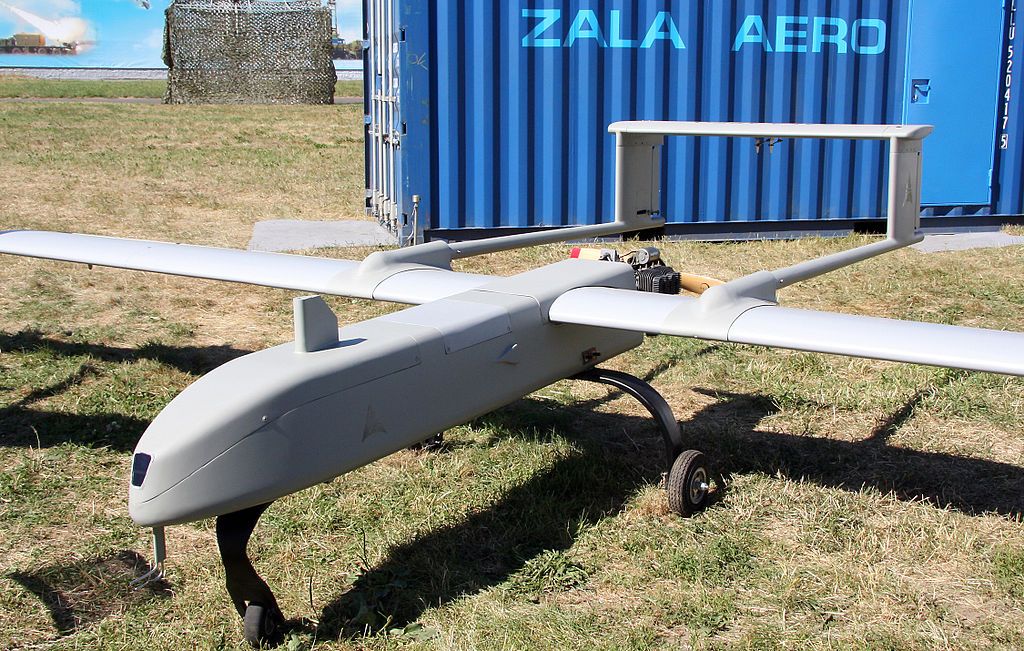
Russia announces its first drones equipped with LIDAR
With the new announcement of LIDAR for drones, Russia reveals both an enhanced battlefield capability and a potential mystery in its supply chain.
-
For the Defense Innovation Board, the future of AI is more than JAIC
In order to attract and retain top AI talent, the Pentagon is working on guiding principles for how, exactly, it bends artificial intelligence towards war.